Isaias Death Toll Rises to Four as Flooding and Tornado Threats Spread Inland
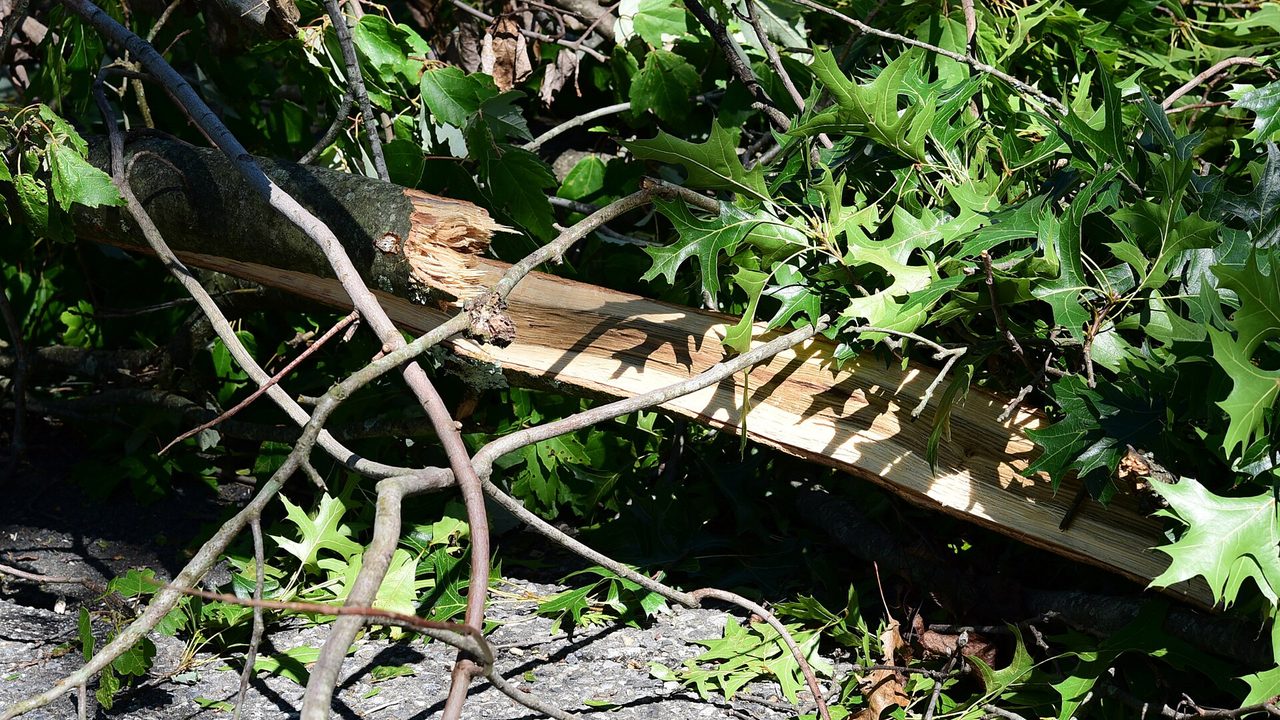
Photo: slgckgc / CC BY 2.0 · via Wikimedia Commons
Isaias Death Toll Rises to Four as Flooding and Tornado Threats Spread Inland
Four people are dead after Hurricane Isaias tore through the Florida Panhandle and charged north into Alabama, and about 670,000 customers across four Southeastern states remained without power at midday Saturday. Forecasters warn the danger is far from over, with flash flooding and tornadoes threatening the Southeast and the southern Appalachians.
A Category 2 Landfall Near Destin
Isaias came ashore around 9:30 p.m. Friday near Destin, Florida, as a Category 2 hurricane with sustained winds near 105 mph. Gusts topped 116 mph near Santa Rosa Sound, while Pensacola and Panama City Beach saw gusts above 100 mph. Within the first hours after landfall, nearly 900,000 homes and businesses — mostly in Florida and Alabama — lost power. The storm weakened rapidly overnight and was downgraded to a post-tropical cyclone over Alabama by Saturday morning, with maximum sustained winds down to 65 mph, but officials stressed it remained dangerous.
Four Deaths, Three Causes of Danger
Three of the four deaths were caused by falling trees; the fourth by carbon monoxide from a generator. In Florida's Escambia County, Sheriff Chip Simmons confirmed that a woman was killed when a tree fell on her home, and a man died of carbon monoxide poisoning from a generator running inside his garage. Four of the man's family members, ages 4 to 72, were hospitalized and expected to survive.
Alabama confirmed two deaths. One occurred in Birmingham's Huffman area early Saturday, when a massive tree crashed onto a house on Monterey Drive around 5:20 a.m. Birmingham Fire Chief Cory Moon said one person died and another was rescued and treated at the scene; multiple people had been trapped inside. Governor Kay Ivey confirmed the state's second fatality Saturday morning without giving details, saying two Alabamians had lost their lives.
Scattered Destruction Across the Panhandle
Hurricane-force winds ripped the roof off a hotel in Pensacola, where the mayor said the airport also took damage. A boathouse in Destin was flattened, and part of a high-rise facade was torn away in Panama City Beach. Along Alabama's Gulf Coast, Mobile reported downed trees and power lines and numerous road closures. In Birmingham, early-morning gusts reached 49 mph — enough to topple trees rooted in rain-saturated soil.
The Power Restoration Grind
Outages eased slowly through Saturday. Tracking firm PowerOutage.us showed about 670,000 customers still dark at midday: roughly 420,000 in Florida, 190,000 in Alabama, 43,000 in Georgia, and 17,000 in Mississippi. Governor Ron DeSantis said at a Tallahassee news conference that some 16,000 utility linemen had begun restoration work around 3 a.m., with highways, bridges, and airports reopening and damage-assessment teams fanning out.
What Comes Next: Floods and Tornadoes Move North
The National Hurricane Center says the tornado threat continues Saturday across parts of the Florida Panhandle, Georgia, and the Carolinas. Flood watches remain in effect for the Southeast and the southern Appalachians, where forecasters expect 3 to 6 inches of rain — locally up to 10 inches — and warn of possible mudslides in the high terrain. President Donald Trump approved an emergency declaration for Georgia, following earlier declarations for Florida and Alabama, unlocking federal aid. Officials urge residents to avoid damaged structures, stay clear of weakened tree canopies, and never drive through flooded roads.
Sources
- Associated Press
- Reuters
- New York Post
- Fox Weather
- ABC News