Eight Orangutans Rescued From Borneo Fires Get a New Home in a Protected Forest
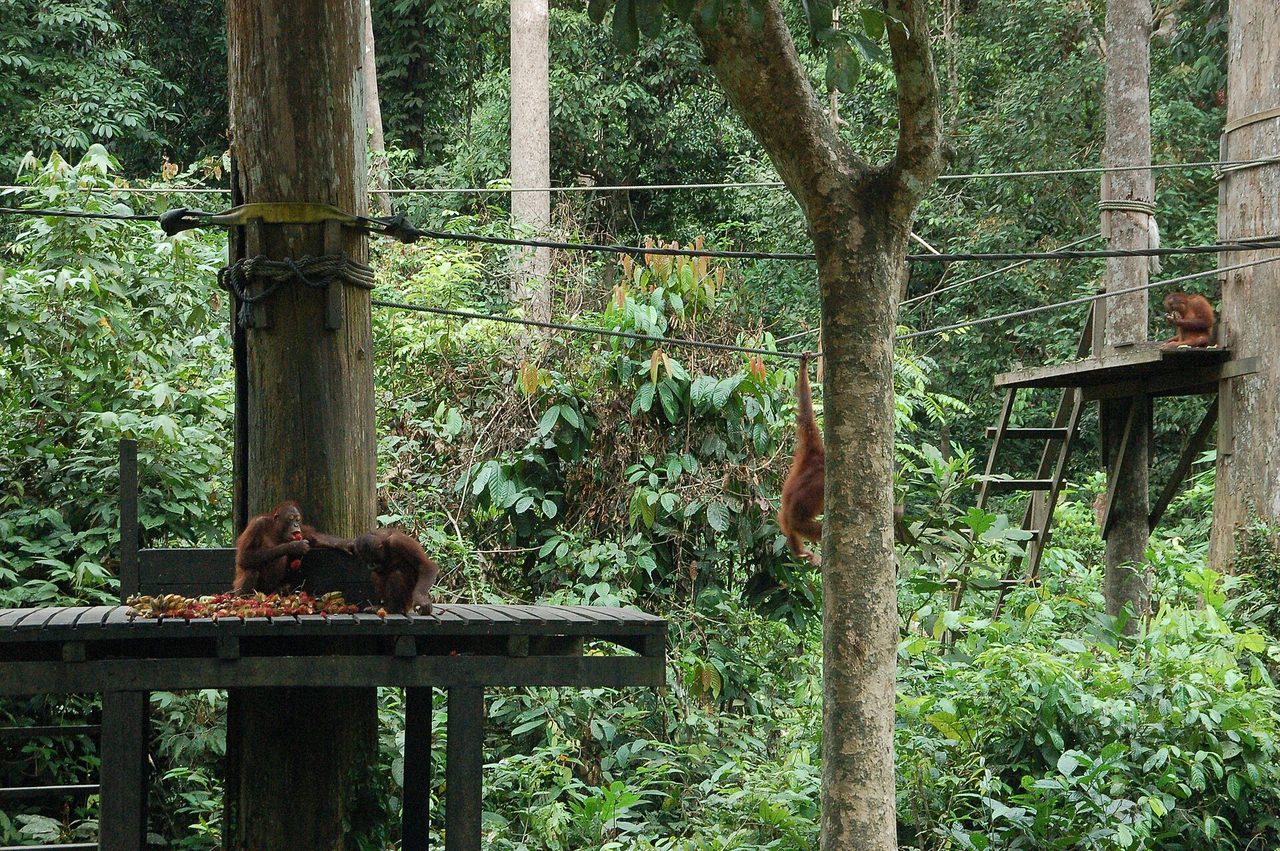
Photo: Matthias Bethke / CC BY-SA 4.0 · via Wikimedia Commons
Eight Orangutans Rescued From Borneo Fires Get a New Home in a Protected Forest
Indonesian authorities and the wildlife rehabilitation foundation YIARI announced Sunday that eight orangutans rescued from the Borneo wildfires were released Friday into the Batu Nyambu Protected Forest in West Kalimantan. The 23,000-hectare reserve, with both primary and secondary forest cover, will be their new home.
Three Mother-Child Pairs and Two "Teenagers" Moved In on Friday
The eight apes include three mother-and-baby pairs and two adolescent males. They were saved between August and September from several locations razed by fire in West Kalimantan province — mostly plantations near their forest homes. Before the release, conservationists checked each animal's health.
A Nine-Hour Journey: Six by Car, One by Boat, Two on Foot
The relocation itself was an expedition. The orangutans, in cages carried on bamboo poles, traveled six hours by car, one hour by boat, and two more hours on foot to reach the reserve. YIARI operational director Argitoe Ranting said the site was chosen for its food and water sources and its connectivity to other forests: "We want to ensure that rescued orangutans are not simply moved from one place to another, but actually have a chance to survive in their natural habitat."
The Old Habitat Is No Longer Safe — Moving Was the Only Option
YIARI CEO Karmele Llano Sanchez said relocating the animals was a "necessary step" once their habitat was no longer safe: "Protection of habitats will always be a top priority to ensure orangutans continue to have safe forests to live in, but as long as their habitat remains threatened, rescue is one of the best options we can take to help them survive."
Murlan Dameria Pane, head of the West Kalimantan Natural Resources Conservation Agency, said authorities and YIARI have rescued 46 orangutans from fire threats between August and October 9.
Indonesia's Worst Wildfires in 11 Years Could Burn Into November
The rescue unfolds against Indonesia's most intense wildfires in 11 years, concentrated on Sumatra and Borneo. The government has warned the blazes could continue until November, aggravated by the El Niño weather pattern. From January to July this year, fires burned around 202,000 hectares (500,000 acres) in Indonesia; non-governmental organizations estimate at least 600,000 more hectares have burned since. Haze from the fires has caused 175,000 cases of respiratory illness in Indonesia and drifted into Singapore and Malaysia, where many schools closed on Friday as air quality deteriorated.
The Ledger of a Critically Endangered Species: Only 104,000 Left
Orangutans are critically endangered great apes found in the wild only on Borneo and Sumatra, and Indonesia is home to all three recognized species. According to the World Wildlife Fund, their numbers have fallen from more than 230,000 a century ago to around 104,000 today, driven by deforestation, wildfires and poaching. Last month, the International Union for Conservation of Nature warned that fires were burning in habitats containing 52 percent of Borneo's orangutan population.