Measles' Split Screen: Pennsylvania Tops 1,000 Cases as New York Declares Disaster Emergency
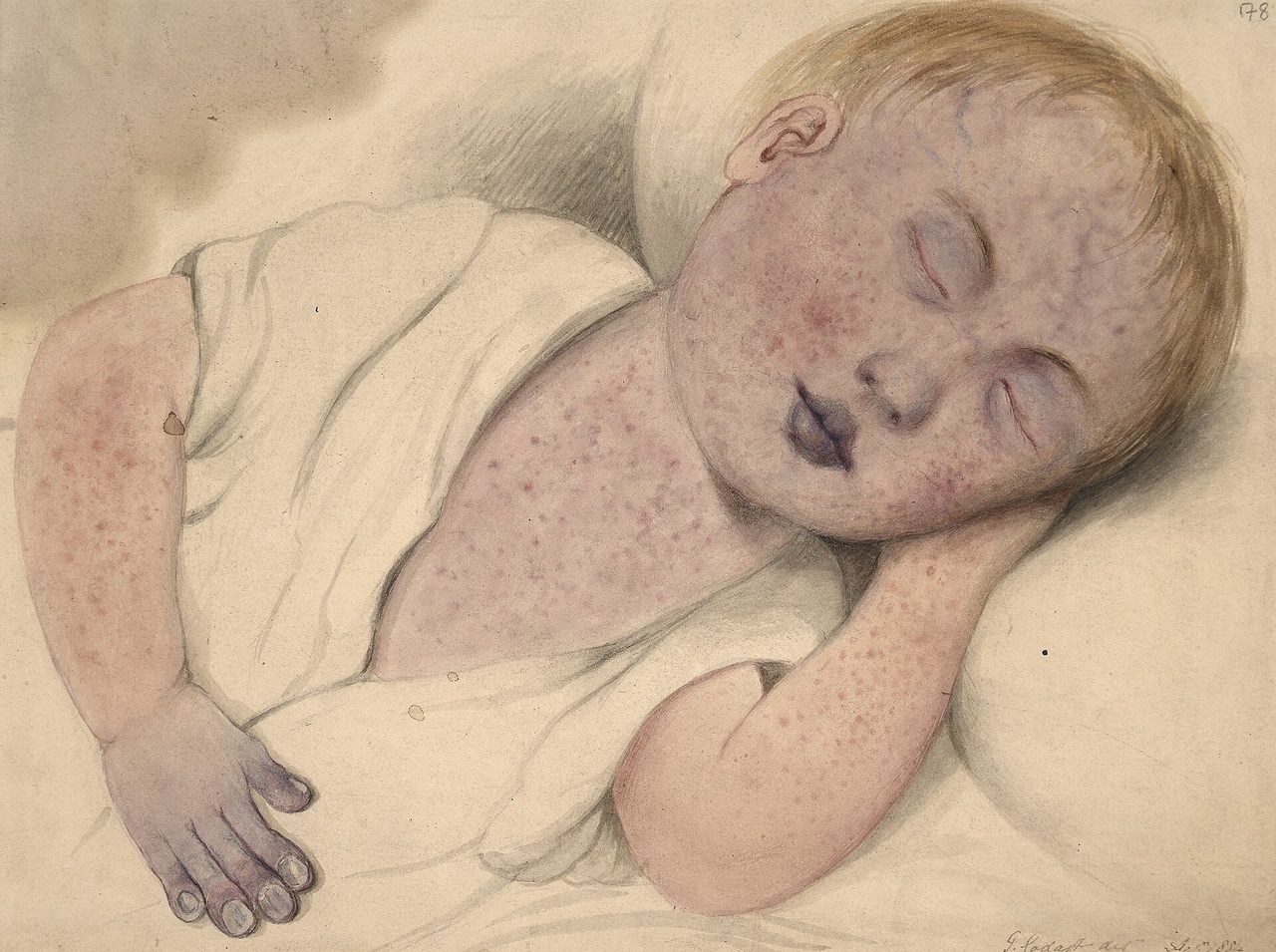
Photo: Godart, Thomas / CC BY 4.0 · via Wikimedia Commons
Measles' Split Screen: Pennsylvania Tops 1,000 Cases as New York Declares Disaster Emergency
Measles is tearing a split screen across the American Northeast. Pennsylvania's outbreak has surged past 1,004 cases with at least five reported deaths, the state's largest in more than three decades. Next door, New York reported 108 cases and Governor Kathy Hochul declared a statewide disaster emergency, authorizing nurses and pharmacists to expand vaccination access. Nearly 3,900 measles cases have been confirmed nationwide this year, the worst total since the early 1990s.
Pennsylvania's Outbreak: 1,004 Cases, 5 Deaths
Pennsylvania's health department website lists 1,004 measles cases and five deaths linked to the disease. The outbreak is concentrated in rural communities with low vaccination coverage, including sequestered religious groups whose members are reluctant to be vaccinated, though the virus is also spreading in the general population. The death toll is disputed: Health Secretary Robert F. Kennedy Jr. claimed in August that Pennsylvania's measles deaths were "fabricated" and ordered the CDC to change how it counts fatalities, with federal officials confirming only two deaths.
Hochul Declares Emergency, Widens Who Can Vaccinate
On October 6, Hochul declared a disaster emergency over measles — the first such statewide declaration since cases began surging in the U.S. in 2025. The 108 cases reported in New York mark the state's highest total since a 2019 outbreak. Her executive order allows registered nurses to order tests for suspected measles and pharmacists to vaccinate children as young as two. It also requires all MMR vaccinations to be reported to state or New York City immunization registries within 72 hours. "No one should get seriously ill or die from a vaccine-preventable disease," Hochul said.
Nearly 3,900 U.S. Cases, Worst Since Early 1990s
CDC data shows measles cases reported across 47 states and Washington, D.C. this year — far above the 2,289 recorded in all of 2025. By contrast, New York City reported just six cases as of September 18 and D.C. only one case, from April; experts say cities with high baseline immunity near the 95% coverage threshold have held off the regional surge. Measles is airborne and can remain infectious in the air or on surfaces for up to two hours after an infected person leaves, spreading fastest through under-vaccinated pockets including infants under 12 months, pregnant women, and immunocompromised people.
Experts Warn Winter Will Make It Worse
Public health experts warn the outbreak will deteriorate before it improves. "Don't forget, winter is coming," one epidemiologist said. "People are going to gather indoors more, travel through airports for the holidays. This outbreak is only going to get worse." South Carolina endured a six-month outbreak of nearly 1,000 cases between October 2025 and April 2026, while Utah has logged 724 infections since June 2025. Most 2025 and 2026 cases are in unvaccinated children and teens, and experts blame vaccine hesitancy and misinformation for falling childhood vaccination rates.
Sources
- Fox 5 DC
- Fox 5 NY
- Fox 29 Philadelphia
- Northeastern University
- The Sun