Volkswagen Deliveries Fall 14.3% as China Weakness Deepens
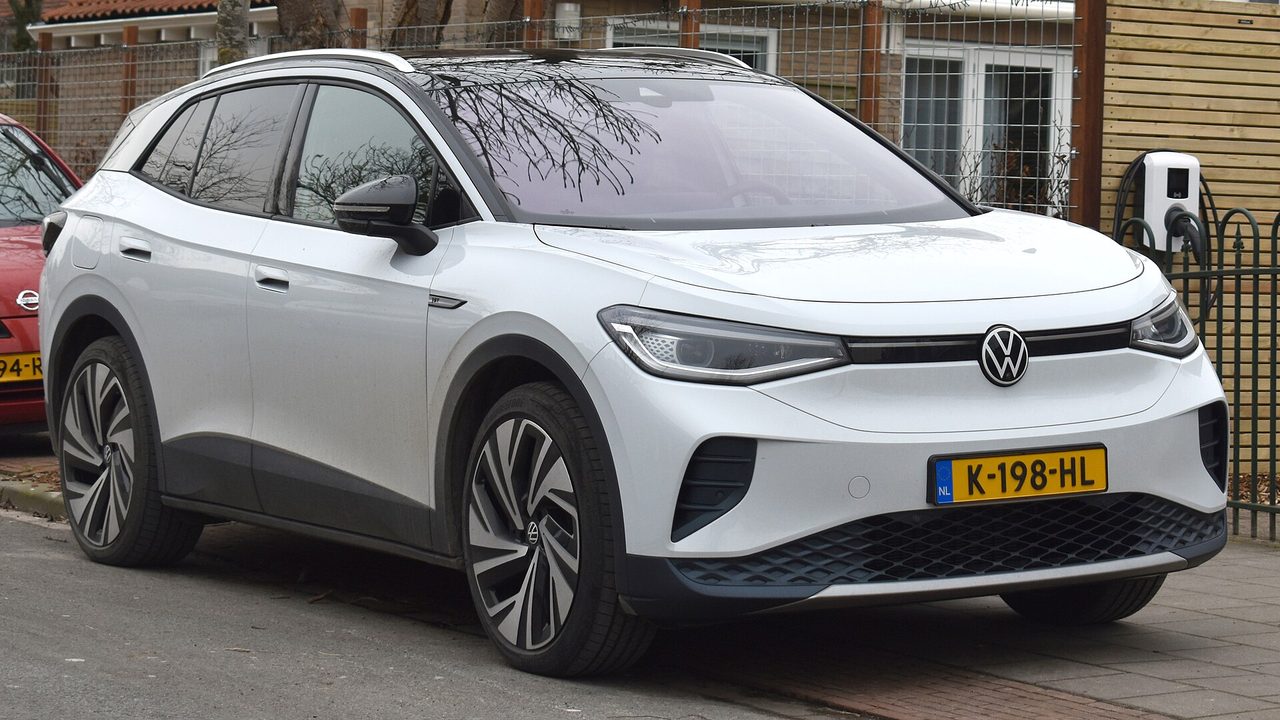
Photo: Dennis Elzinga / CC BY 2.0 · via Wikimedia Commons
Volkswagen Deliveries Fall 14.3% as China Weakness Deepens
Third-quarter deliveries drop to 1.89 million
Volkswagen Group handed about 1.89 million vehicles to customers worldwide in the third quarter of 2026, down 14.3% from a year earlier — the steepest quarterly decline since deliveries fell 22.4% in the second quarter of 2022. For the first nine months, the group delivered 6.01 million cars against 6.60 million in the same period of 2025, a 9% drop. Deliveries are watched closely as a proxy for sales, and the print sets a weak base for the final quarter.
China alone accounts for most of the shortfall
Deliveries in China, Volkswagen's largest market, plunged 38.5% in the quarter to 405,800 vehicles, compared with 660,300 a year earlier, and were down 30.2% over nine months to 1.379 million. "The Volkswagen Group was unable to escape the significant decline in the Chinese total market, particularly in the combustion-engine vehicle business," the company said. Martin Sander, a member of the group's extended executive committee, called the slump "an industry-wide challenge."
Every region but Central and Eastern Europe fell
The weakness was broad. North American deliveries dropped 5.8% and Western Europe 2.8%, while the rest of the Asia-Pacific region was down about 12%. Central and Eastern Europe was the lone gainer at +1.4%. Over nine months, Europe rose 1.7% and South America 4.3%, but China's 30.2% decline and a 4% fall in North America outweighed them. The quarterly rate has deteriorated through the year, from roughly 4% in the opening quarter to 8.6% in the second and 14.3% in the third.
China's car market has contracted for 12 straight months
Volkswagen is falling with its market, not ahead of it. The China Passenger Car Association said Monday that September retail sales of passenger cars fell 28.0% from a year earlier to 1.62 million units, the twelfth consecutive monthly decline; nationwide vehicle sales slipped 5% in August. Volkswagen's China unit said new-car sales across the market were down more than 20% in the first nine months while more than 500 new models launched in 2026, keeping supply high and competition brutal.
A profit warning had already reset expectations
The delivery report follows a September 18 profit warning in which Volkswagen cut its 2026 operating margin outlook to no more than 1%, from 4.0–5.5%, on roughly €10 billion of special items including a €6 billion non-cash goodwill impairment at Porsche. The supervisory board has separately approved plans to cut 100,000 jobs by 2030 and halve the model range. Softer deliveries feed directly into that margin problem.
Porsche and Audi are the weakest brands
Brand results were uneven but mostly poor. The core Volkswagen brand saw deliveries fall 19.3% in the quarter, Audi dropped 19.7% to 314,900 and Porsche slipped about 15% to just over 56,000, while Skoda held roughly flat at 256,700. Porsche delivered 178,532 cars over the first nine months, down 16%, with China off 33% at 21,493. Audi of America's quarterly sales fell 15% to 39,751. Traton was the outlier: unit sales rose 10% to 78,900, lifted by a 48% jump at International Motors in the United States.
Europe's electric business is the one bright spot
Battery-electric deliveries fell 4.7% in the quarter to 240,200, but Europe grew nearly 20% and was the only region in positive territory. Over nine months the group sold 678,700 all-electric cars, down 5.4%, with around 40% of the European order book now electric and close to 150,000 orders accumulated for small EVs such as the ID. Polo. Volkswagen's electrified sales in China rose about 30% in the quarter, and it held a 22% share of the local combustion-car market.
Dealers and joint-venture suppliers feel it first
Deliveries are a wholesale measure, so the pressure lands first on Volkswagen's Chinese joint ventures and dealer stock, then works back through parts orders and plant scheduling. Heavy discounting of petrol models has defended volume but squeezed margins further, and the simultaneous decline of Porsche and Audi weakens the group's habit of leaning on its premium brands to subsidise the rest. Ralf Brandstätter, chief executive of Volkswagen (China), noted that more than 500 new cars have launched in China this year, shortening product cycles and adding to profitability pressure.
Fourth-quarter local models are the next test
Volkswagen expects locally developed models aimed at the mainstream segment, built on the group's in-house Chinese technology stack, to start deliveries in the fourth quarter and lift new-energy volumes further. Whether deliveries stabilise depends on how fast those cars ramp and when the Chinese market as a whole stops contracting. For now, the group enters the holiday quarter with its steepest delivery drop in more than four years and a full-year margin target trimmed to 1%.
Sources
- Reuters
- Dow Jones (MarketScreener)
- Investing.com
- EVMagz
- TakeToNews