Garmin MARQ Gen 3 Review: A $3,100 Titanium Smartwatch With Satellite SOS
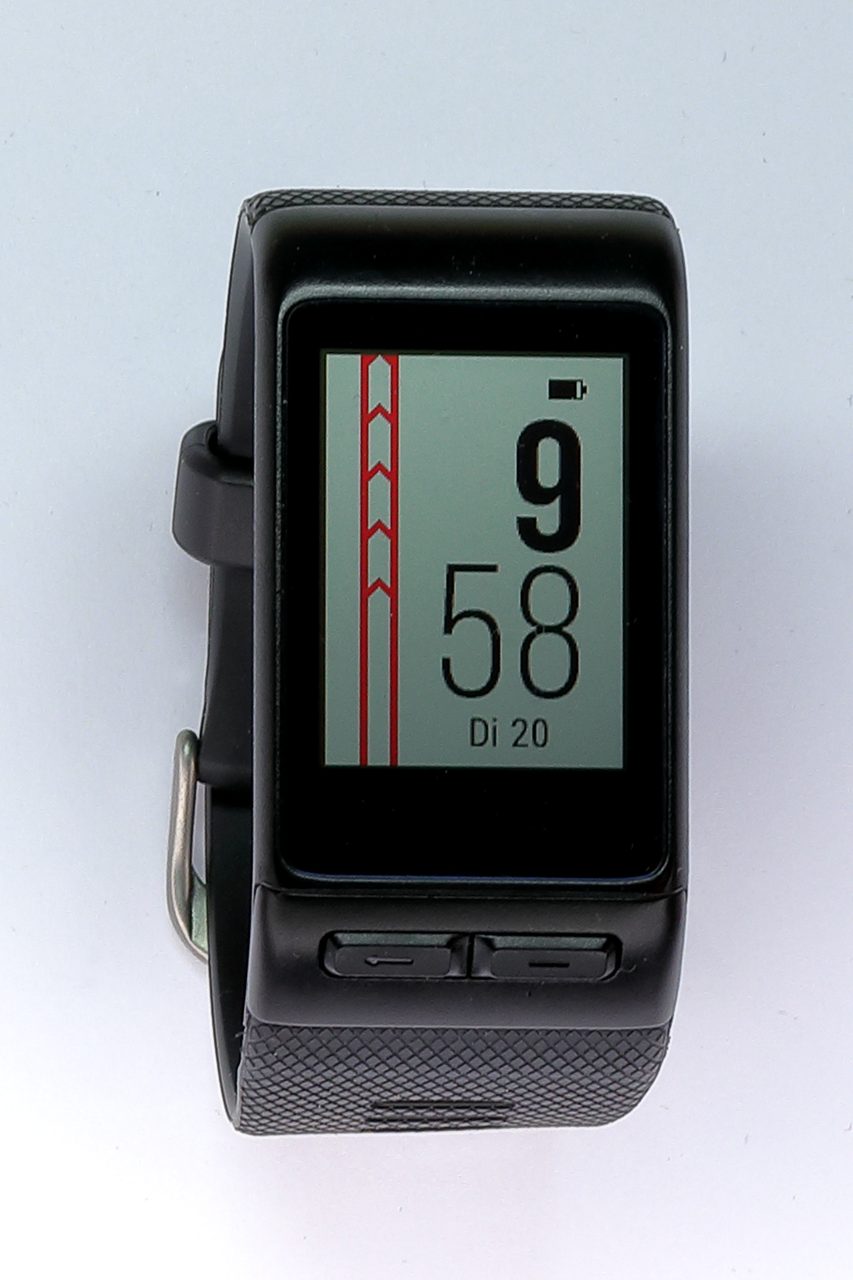
Photo: C.Stadler/Bwag / CC BY-SA 4.0 · via Wikimedia Commons
Garmin MARQ Gen 3 Review: A $3,100 Titanium Smartwatch With Satellite SOS
Six Editions Arrive on October 13
Garmin launched the third-generation MARQ collection on 13 October 2026, four years after Gen 2, spanning six editions: Athlete, Adventurer, Aviator, Commander, Diver and Golfer. All share a single 47mm case size and the Fenix 9 platform underneath.
Garmin's Own Pitch: Ambition, Not Haute Horlogerie
Garmin's press release calls them premium tool watches designed for "life's most ambitious pursuits," priced from $2,500 and available now. COO Brad Trenkle told TechRadar the company didn't set out to build a mechanical watch and isn't fooling itself into competing with Patek Philippe, Rolex or Audemars Piguet.
Prices Run $2,500 to $3,100
The ladder: Athlete $2,500, Adventurer $2,700, Golfer $2,800, and Aviator, Commander and Diver at $3,100 each, with carbon editions at $2,950 to $3,200. The still-sold Gen 2 titanium Athlete is $1,900, so the entry model is $600 more than its predecessor and roughly $1,200 above a Fenix 9 Pro inReach, per the5krunner.
Build: Grade-5 Titanium, Ceramic, 3,000 Nits
Every edition uses a Grade-5 titanium case, sapphire crystal and ceramic bezel inlays, 15mm thick, with a 1.4-inch borderless AMOLED rated up to 3,000 nits — the largest screen ever on a MARQ, up from 1.2 inches on Gen 2. Trenkle described a wall of polymer sealing the case with no gasket; the whole range is rated to 40m dive-ready resistance, and the buttons were redesigned to feel mechanical instead of the spongy inductive type used previously.
Battery: 18 Days Smartwatch, 87 Hours at Max
Garmin rates all six identically: 18 days in smartwatch mode (7 with always-on display), 24 days low-power, 32 hours normal activity recording, 26 hours at max accuracy, 87 hours max-battery and 18 days expedition. Gen 2 managed 16 days, 75 hours max GPS and 14 days expedition.
Features the Fenix 9 Doesn't Have Yet
The headline extras: on-watch address search (the Fenix 9 finds points of interest only) and real-time ClimbPro without a preloaded course — a first for any company, DC Rainmaker says, though delayed at launch and expected within days via update. Storage doubles to 128GB with worldwide TopoActive maps preloaded, and the Fenix 9 software stack adds Garmin Epic, rolling grade-adjusted pace and rucking workouts.
LTE Calls and Satellite SOS, Subscription Required
All six embed inReach: LTE voice calls, texts, weather, LiveTrack, plus satellite messaging and interactive SOS usable without a phone — with a monthly plan required. DC Rainmaker's testing sent every satellite message within 30 seconds, even through light tree cover. Also new: flashlight, speaker, microphone, ECG app and a 40m dive computer.
Accuracy and Hardware Shared With Fenix 9 Pro
The watches use the same Elevate Gen 5 optical heart rate sensor and the same GPS components and antenna design as the Fenix 9 Pro, with new nano-molding that lets the MARQ sit thinner. DC Rainmaker's field tests found class-leading GPS and heart-rate accuracy, and TechRadar, T3, the5krunner, Gadgets & Wearables and Notebookcheck all credit the materials and finish.
What Reviewers Pushed Back On
TechRadar's blunt line: for the average Garmin shopper, a Marq is absolutely not worth it. The $3,100 Diver lacks the air-tank integration of Garmin's Descent line — an omission DC Rainmaker calls odd at that price. Routeless ClimbPro ships late, and every connected feature depends on the inReach subscription.
Verdict: Buy Materials, Not Longevity
the5krunner's framing holds: MARQ money pays for titanium, finishing and exclusivity, while internals age like any sports watch — Gen 2 owners are already reporting burn-in, green tint and brightness loss on Garmin's forums. With Gen 2 Aviator and Captain permanently out of stock and orders showing 5-to-12-week lead times, the sensible near-launch buy is the $2,500 Athlete; the $3,100 editions are for buyers who want the best Garmin makes and don't care about the price.
Sources
- DC Rainmaker: Garmin MARQ Gen3 In-Depth Review: Worth $3,100?
- the5krunner: Garmin MARQ Gen 3 vs Gen 2: What is New, Prices and Which to Buy
- TechRadar: Garmin COO Brad Trenkle on the Marq 3rd-Gen range
- T3: Garmins most luxurious smartwatches just got a massive upgrade
- Gadgets & Wearables: Garmin MARQ Gen 3 is official with bigger screens and prices from $2,500