Broadcom Boss Brands AI Investing a 'Casino' — Chip Stocks Slide Worldwide
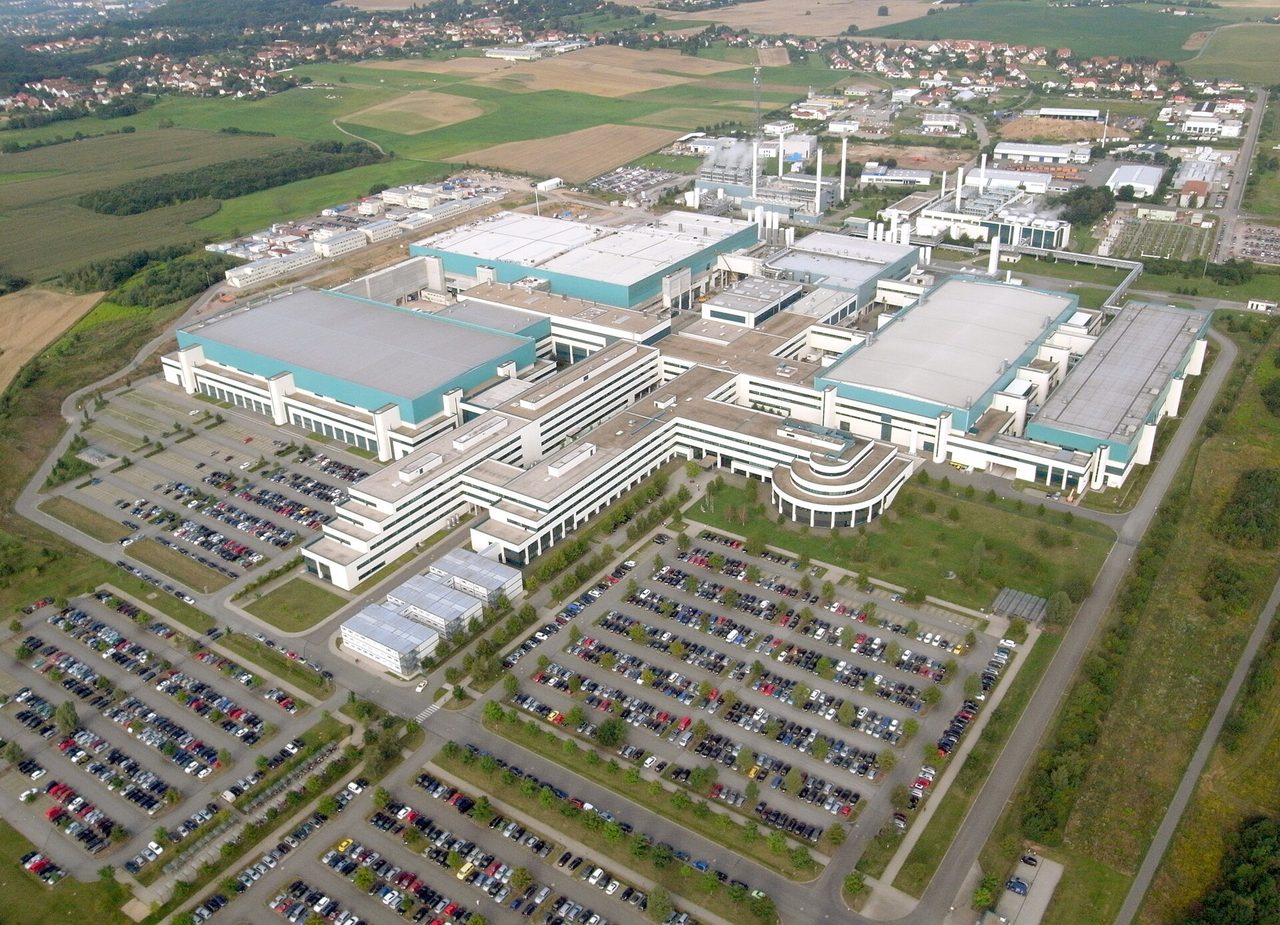
Photo: Fensterblick. / CC BY-SA 3.0 · via Wikimedia Commons
Broadcom Boss Brands AI Investing a 'Casino' — Chip Stocks Slide Worldwide
One line in Singapore sets off a rout
On Monday October 12, at the DBS Asia Future Forward Conference in Singapore, Broadcom chief executive Hock Tan told a semiconductor panel that "a lot of investors have no clue what they are investing in." They set "very extreme expectations only to find out that it's almost like they are in a casino." Bloomberg broke the remarks; Benzinga, Yahoo Finance, Investing.com and the New York Post followed, and by Tuesday the comments were being cited as the proximate trigger for a global chip selloff.
What Hock Tan actually said
The casino line was only half of it. Tan argued that the biggest constraint on AI expansion may not be chips, memory or power but money: "What I think might be the biggest constraint is capital." He said demand for compute infrastructure still exceeds what the industry can supply, an imbalance that could persist through 2029 and potentially into 2030. On frontier models he was blunt — AI is "still losing money," and what exists today is largely "a lot of potential revenue growth." Intel CEO Lip-Bu Tan shared the stage and struck a similar note, warning that hardware will remain limited for the next few years and that memory could be the first part of the AI ecosystem to slow. DBS Group CEO Tan Su Shan moderated.
Capital, not chips, is the real bottleneck
CNBC and Reuters framed the panel as a pivot from shortage economics to financing economics: data centers are being built faster than they can be funded. The Financial Times reported that banks last week began syndicating a $60 billion AI financing package tied to Anthropic's lease of Google-designed chips, including $42 billion in loans backed by Broadcom's own credit rating. Broadcom has also launched a $35 billion financing platform with Apollo and Blackstone designed to support more than 20 gigawatts of compute capacity through 2028. The company sells the shovels and underwrites the gold rush at the same time, which lends the casino remark an edge of irony.
Broadcom's own forecasts point the other way
The warning came alongside aggressive guidance. Broadcom booked $16.7 billion of AI semiconductor revenue in its fiscal third quarter, up 221 percent year over year, and expects $21.7 billion in the fourth. Tan's published path runs from roughly $58 billion of AI chip revenue in fiscal 2026 to $230 billion in fiscal 2028. In September, asked whether the AI slowdown debate had changed that view, he answered: "No, not in the least."
Korea's Kospi falls more than 7 percent
Tuesday's damage was worst in Seoul. The Kospi dropped as much as 7.1 percent to 5,934.47 and touched 5,911 intraday; the Korea Exchange briefly suspended trading to contain volatility, the first such halt in two months, and program-trading quotes were paused. Samsung Electronics fell about 7.7 percent to roughly 230,000 won and SK Hynix lost about 8.8 percent to near 1.44 million won. The two memory giants make up close to half the benchmark's market value and have shed roughly 15 percent over five sessions.
US and Asian chip shares follow lower
The Philadelphia Semiconductor Index had already fallen 2.67 percent overnight, its fourth consecutive decline, with the Nasdaq off 0.44 percent and the Dow eking out 0.38 percent on energy strength. Micron lost 3.9 percent, SanDisk 6.0 percent, Nvidia 1.3 percent, AMD 2.3 percent and Broadcom 1.9 percent. Asia followed on Tuesday: Japan's Nikkei 225 fell nearly 3 percent, Taiwan's Taiex slipped 2.5 percent with TSMC down 2 percent, a Chinese technology gauge dropped 3.6 percent at one point, and Kioxia declined too.
China's memory challenger adds pressure
The remarks landed on a market already primed to sell. The Associated Press and Korean outlets noted that China's CXMT has unveiled a smaller 4F² cell design and plans a server DDR5 module by year-end; its share of global DRAM revenue reportedly rose from 4 percent to 10 percent in a year, putting it in front of Samsung, SK Hynix and Micron. Samsung posted record third-quarter operating profit, up nearly ninefold, and the shares fell anyway. JPMorgan tech strategist Joshua Meyers wrote in the bank's afternoon briefing that "the most proximate reason seems to be Hock Tan's participation in a panel at a DBS conference in Singapore."
Leveraged money sits at the center
Positioning magnified the move. Goldman Sachs' derivatives desk puts the Magnificent Seven at roughly 22 percent of total U.S. prime broker exposure, the most since early 2022, with semiconductors doubling to about 12 percent from 6 percent at the start of the year and roughly $115 billion parked in levered semiconductor ETFs. JPMorgan's factor team says semiconductor sentiment is back above the 99th percentile.
What to watch next
Three events will decide whether this is a one-day repricing or the start of a longer unwind: Wednesday's U.S. consumer-price report, this week's ASML and TSMC earnings, and whether the AI financing pipeline keeps clearing. With the 10-year Treasury yield still around 5.25 percent, Tan's capital bottleneck risks turning from a warning into a live constraint — and chip stocks already trading at elevated multiples would feel it first.
Sources
- Bloomberg: Chip Selloff Triggers 7% Korea Rout After CEO's Casino Warning
- CNBC: Intel, Broadcom CEOs warn capital crunch could become AI's biggest bottleneck
- Financial Times: Chip stocks slide after Broadcom CEO calls AI investing casino
- Yahoo Finance: Broadcom CEO Says Many AI Investors Have No Clue, Likens Boom to a Casino
- Associated Press: South Korea's Kospi index sinks more than 7% on semiconductor share sell-off