TSMC's Profit Jumps 68.7% to a Sixth Straight Record as AI Demand Outruns Supply
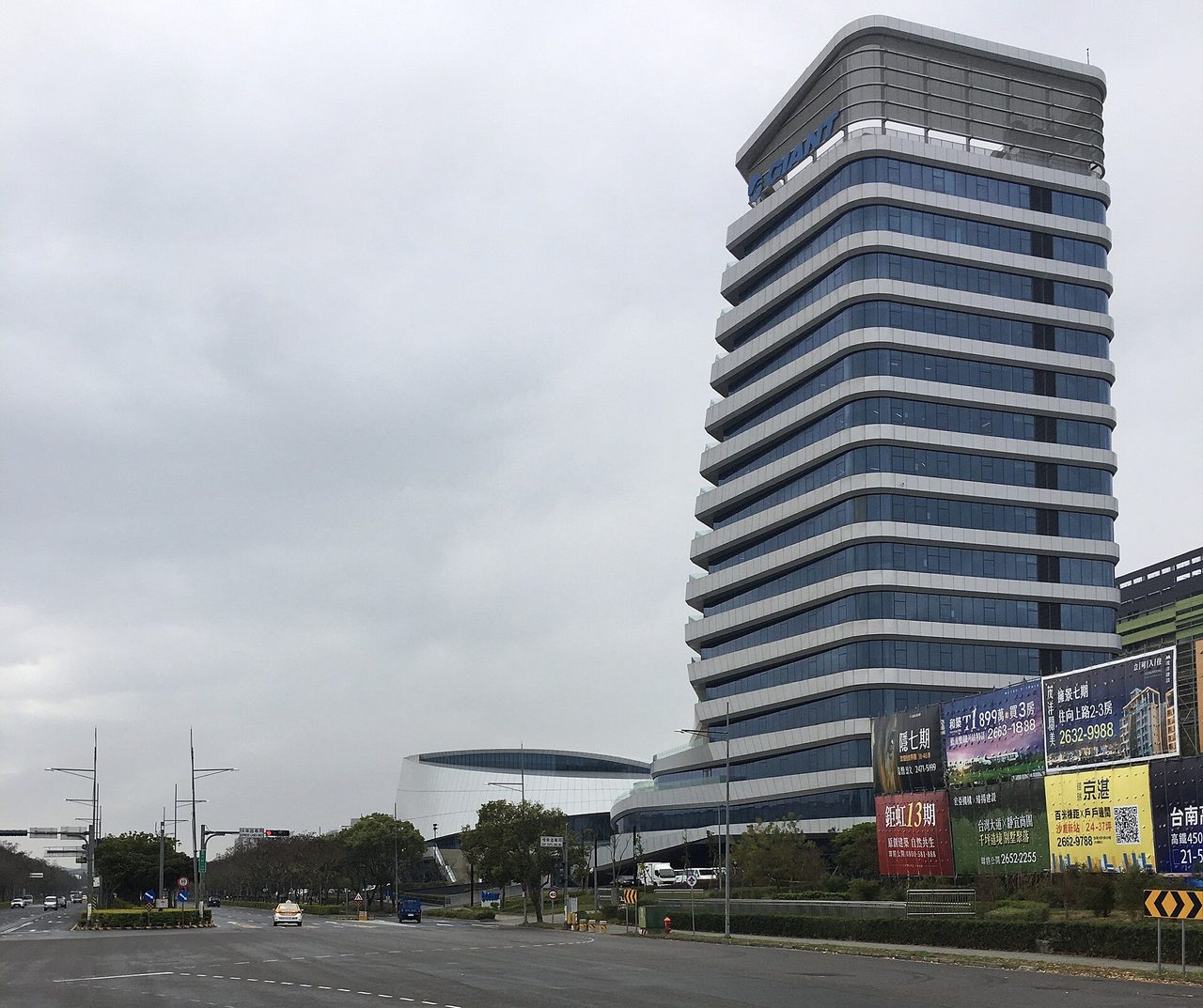
Photo: Coronium / CC BY-SA 4.0 · via Wikimedia Commons
TSMC's Profit Jumps 68.7% to a Sixth Straight Record as AI Demand Outruns Supply
TSMC reported its sixth consecutive quarter of record earnings on Oct. 15, with net profit of NT$763.06 billion (about US$23.6 billion) for the three months ended September — up 68.7% from a year earlier and 8% from the prior quarter. Diluted earnings per share came in at NT$29.43, or roughly US$4.60 per ADR, up from NT$27.25 in the second quarter. It was also the company's 11th straight quarter of profit growth.
Revenue and profit both cleared guidance and the Street
Revenue reached NT$1,494.24 billion, up 50.9% year over year and 17.6% quarter over quarter. That beat the US$44.6 billion to US$45.8 billion range TSMC guided in July, and topped the NT$1.47 trillion LSEG SmartEstimate. Profit beat both the LSEG SmartEstimate of NT$746.3 billion, compiled from 16 analysts, and a lower FactSet consensus of NT$731.77 billion. Gross margin was 66.4%, inside the guided 65% to 67% band but 1.3 points below the second quarter's 67.7%. Operating margin of 58.7% landed above the top of guidance, and net margin was 51.1%.
The newest node is already 8% of wafer revenue
The mix shows where the money is coming from. Two-nanometer chips accounted for 8% of wafer revenue in the quarter, up from 3% three months earlier. Three-nanometer took 33%, five-nanometer 28% and seven-nanometer 10%, with advanced nodes of 7nm and below making up 79% of wafer revenue. High-performance computing is now the dominant slice of the business. September revenue alone was NT$511.86 billion, up 54.6% year over year and just 0.6% below August's all-time monthly high.
The binding constraint is packaging, not demand
Growth this quarter was less a demand story than a capacity story. Chairman and CEO C.C. Wei told an earlier earnings call that "our packaging capacity is so tight that now it limits my customers' growth." Industry reporting has CoWoS advanced packaging booked through the end of the year with lead times running into 2027; Nvidia is said to have reserved more than half of TSMC's CoWoS capacity and to have overtaken Apple as its largest single customer.
2nm capacity is reserved into 2028
Order visibility runs well past the current cycle. Reports say major customers have booked 2nm capacity through 2028, with early 2nm wafers priced at around $30,000 each, and TSMC has raised its end-2026 target for 2nm output to about 120,000 wafers a month from an earlier 90,000 to 100,000. Apple, Nvidia, AMD and Qualcomm are all adding 2nm orders, while 5/4nm and 3nm lines stay fully loaded.
Shares fell into the print
The mood before the numbers was anything but triumphant. Asian chip stocks sold off, TSMC's ADR dropped 1.98% to $444.35 on Oct. 12, and its Taipei shares opened NT$40 lower at NT$2,500 as the Philadelphia Semiconductor Index fell 3.39%. The worry was never this quarter; it was whether AI capital spending can keep compounding. ASML offered some relief midweek, saying customers were already discussing orders for 2029 and 2030.
Guidance and capex are the real test
The company's outlook matters more than the quarter itself: fourth-quarter revenue, gross and operating margin guidance, and whether management lifts full-year dollar revenue growth again. TSMC has already raised that forecast twice in 2026, from roughly 30% in January to above 30% in April and "slightly above 40%" in July. With NT-dollar revenue up 41.1% year to date, analysts widely expect another upgrade.
Capex is running toward US$64 billion
Spending is the other scorecard. In July, TSMC lifted 2026 capital expenditure to US$60 billion to US$64 billion from US$52 billion to US$56 billion, with 70% to 80% going to advanced process technology and 10% to 20% to advanced packaging, testing and mask-making. Bank of America expects about US$63 billion this year and as much as US$83 billion in 2027; Goldman Sachs has raised its 2028 capex forecast to US$98 billion. TSMC's committed US investment has reached US$265 billion, including US$100 billion added in July.
Margins carry the cost of the ramp, and the bubble debate isn't settled
The risks are stacking up alongside the records. Ramping 2nm is expected to dilute gross margin by 3 to 4 percentage points in the second half, and overseas fabs add another 2% to 4% of dilution over several years. Politically, President Trump said on Oct. 14 that he had recently spoken with Wei about the Arizona build-out, and set a goal of holding 50% of global chip manufacturing capacity by the end of his term. The clearest near-term verdict will come from the cloud providers: Microsoft and Alphabet report later this month, and however long TSMC's order book is, it ultimately depends on their wallets.
Sources
- CNBC: TSMC posts record profit for a sixth straight quarter, beating estimates on AI boom
- Reuters: TSMC reports sixth straight quarter of record profit thanks to AI boom
- Business Insider: TSMC, Samsung Results Signal Strong AI Demand
- TrendForce: TSMC 3Q26 Net Profit Surges 68.7% to Record NT$763B, EPS Hits NT$29.43; 2nm Sales Share Climbs to 8%
- MarketScreener: AI Demand Extends TSMC's Record Earnings Streak