Beijing Moves to Block Foreign Takeovers of Chinese Cell-and-Gene Therapy Platforms
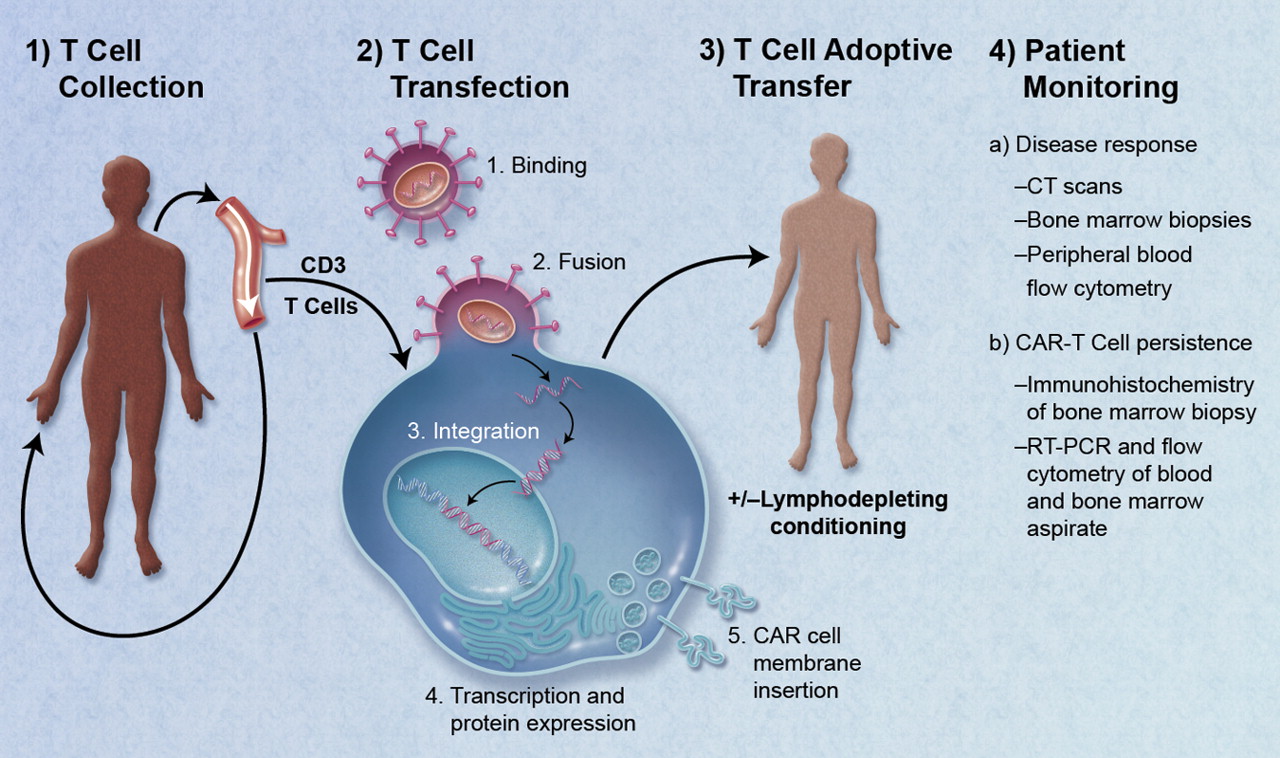
Photo: Caron A. Jacobson and Jerome Ritz / Public domain · via Wikimedia Commons
Beijing Moves to Block Foreign Takeovers of Chinese Cell-and-Gene Therapy Platforms
China Proposes Ban on Foreign Takeovers of CGT Platforms
China's Ministry of Commerce and Ministry of Science and Technology opened a public consultation on October 16, 2026, over a draft revision of the country's catalogue of technologies prohibited or restricted from export. The proposal would add 40 technologies to the list, and for the first time makes explicit that foreign acquisitions of proprietary Chinese cell-and-gene therapy platforms, small interfering RNA (siRNA) platforms and pathogen gain-of-function research platforms would be barred.
Comment Window Runs to Nov. 15
In a Ministry of Commerce media Q&A, a spokesperson framed the change as support for the "orderly international collaboration around China's biopharma technologies," while citing national security for the pathogen-related provisions. Exporters must complete pre-export registration for covered technologies before the finalized catalogue takes effect, and public comments are being accepted until Nov. 15.
40 Technologies: 14 Banned, 26 Licensed
The draft covers 40 technologies — 23 in artificial intelligence, 12 in photovoltaics and five in biomedicine. Fourteen would be prohibited from export outright; 26 would require an export licence. The biomedical entries span cell and gene therapy, small nucleic acid drugs (siRNA) and pathogenic microorganisms. Besides platform takeovers, full transfers of proprietary drug target identification and verification technology are placed in the restricted category, meaning they need approval rather than automatic clearance.
Licensing Deals Stay Outside the Ban
The draft draws a deliberate exemption line. Out-licensing agreements, partnerships, and the use of know-how to provide outsourced research and manufacturing services do not fall under the ban, and the commerce ministry spokesperson said out-licensing of drug target identification and verification technology will generally be approved. The split is clear: the right to sell a drug can be negotiated, the ownership of the platform behind it cannot.
Out-Licensing Has Reached $120 Billion
The rule lands on a sector growing fast. According to China's drug regulators, foreign transactions involving Chinese biotech assets reached $120 billion as of August 2026, a 36% increase year on year, with upfront payments exceeding $10 billion. Out-licensing has been the main engine of China's innovative-drug boom.
AstraZeneca's Gracell Deal Would Not Clear
The proposal's most concrete consequence is that one class of deal becomes history. At the end of 2023, AstraZeneca paid $1 billion for Gracell Biotechnologies, whose FasTCAR platform for manufacturing CAR-T cells was central to the transaction — then billed as the first full acquisition of a Chinese biotech by a big pharma. Fierce Biotech and The Catalyst Brief both note the deal would likely have been blocked under the new rule.
Washington and Beijing Move in Tandem
China is not acting alone. Rules that took effect on July 1 tightened controls on outbound investment and technology transfers, and Beijing previously blocked Meta's $2 billion acquisition of Chinese AI firm Manus on national security grounds. In the United States, the Treasury is drafting rules that would preserve most pharma licensing with China while restricting only pathogens and weaponizable biotechnology, according to reports citing Reuters; a bipartisan bill in Congress would go further.
The Line Now Runs Between Licences and Equity
For multinationals and investors, the dividing line is no longer whether to deal with China but whether to take a licence or take equity. During the consultation, transfers of technology ownership, licences for overseas use, and changes in control that place a technology owner under a foreign entity all require prior registration. The text is still a draft, but the direction is set.
Sources
- Fierce Biotech: Beijing Moves to Block Foreign Takeovers of Chinese Cell-and-Gene Therapy Platforms
- Bloomberg: 中国拟收紧生物技术出口、允许授权许可交易
- Reuters: 中国拟将40项AI、生物技术、光伏技术列入出口管制清单
- Xinhua: 中国拟禁止、限制部分AI、生物医药、光伏技术出口
- The Catalyst Brief: 中国拟限制外资收购生物医药平台,授权许可大多不受影响