Cornell Bans Fraternity Parties. Students Ask: Is It Too Little, Too Late?
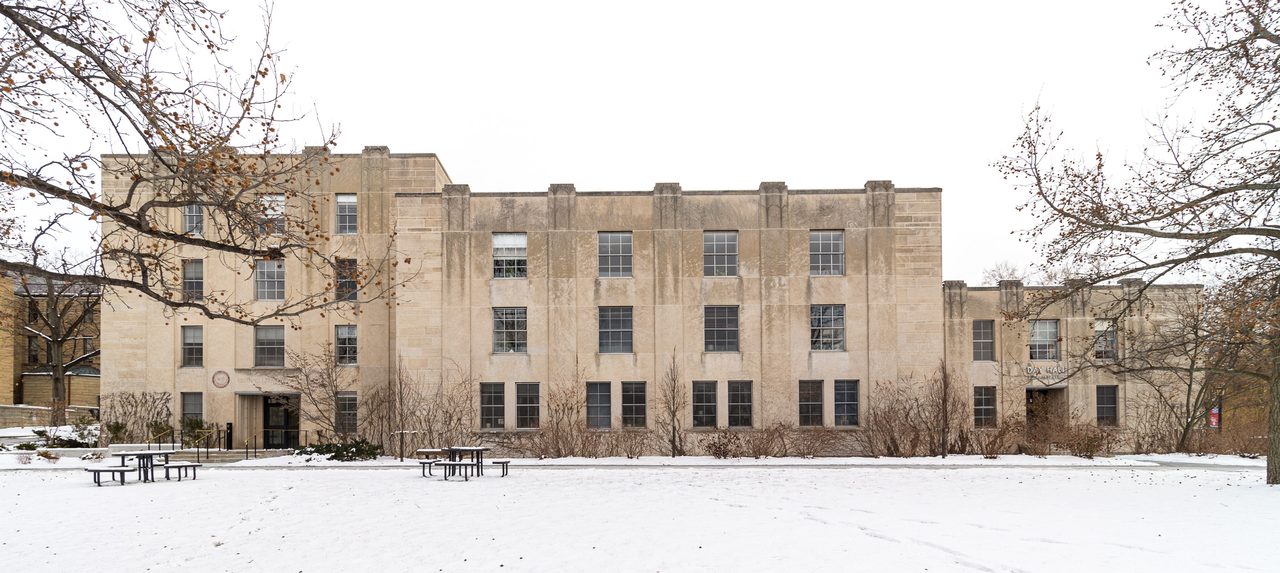
Photo: Kenneth C. Zirkel / CC BY-SA 4.0 · via Wikimedia Commons
Cornell Bans Fraternity Parties. Students Ask: Is It Too Little, Too Late?
Fraternity parties are suspended until August
Cornell University president Michael Kotlikoff told the campus on Oct. 13 that all parties and social events inside Interfraternity Council houses are suspended for the remainder of the 2026-27 academic year, which runs to August. The letter promised "zero tolerance": any fraternity that holds an in-house party or social event will receive an immediate emergency suspension. Kotlikoff said he was "deeply sorry for the harm Jane Doe suffered in 2024" and called the measures a first step toward systemic change.
Students call the ban a Band-Aid
Jack Huber, a member of Students for a Democratic Cornell, told reporters: "Is this too little, too late? The answer there is a resounding yes." Sophomore Saya Taylor, also with the group, called the ban a "Band-Aid" solution: "They're trying to give the appearance that they are changing when they are not." Not everyone agrees with the ban. A petition urging Kotlikoff to reverse the blanket suspension of parties and events gathered more than 1,000 signatures, arguing that accountability is not collective punishment.
The alleged night began at a fraternity house
According to the lawsuit, the plaintiff — 20 years old at the time, and identified in court papers as Jane Doe — went alone to visit a friend at the Chi Phi house around 11 p.m. on Oct. 19, 2024, after drinking at her sorority and a nightclub. She alleges two fraternity members pressured her into snorting what they said was ketamine, and that she was then sexually assaulted by multiple men.
Seven accused, two expelled
The lawsuit names seven Chi Phi members. Doe's attorney, Thomas Giuffra, said only two of the seven were expelled, while the others received lighter punishments such as suspensions, workshops or writing reflective essays; none of the seven was arrested. Cornell disputes the idea that anyone was punished with an essay alone, saying its Title IX process produced expulsions and suspensions but that privacy law bars it from releasing details. The Chi Phi national organization says its Xi chapter voted unanimously to remove the accused members from its rolls three days after Doe filed a police report, and the Grand Council permanently expelled them; the chapter was closed in 2024 and remains barred from campus.
120 pages of statements became a six-page summary
Huber and other protesters point to reports that Cornell police condensed 120 pages of Doe's statements into a six-page summary for the Tompkins County district attorney that did not include the word "rape." District Attorney Matthew Van Houten initially declined to pursue charges based on that summary; after the lawsuit was filed, he said it omitted key details and reopened the criminal investigation on Sept. 28.
The president admits he never followed up
At a meeting with Cornell's Faculty Senate on Oct. 14, Kotlikoff acknowledged he never followed up on Doe's 2024 report and only recently learned she had left the university and that students had been disciplined. He became interim president in July 2024, months before the alleged assault. Faculty leaving the closed session described the mood as leaning heavily against him.
New York's attorney general takes over the case
In early October, Governor Kathy Hochul signed an executive order removing the local district attorney and appointing Attorney General Letitia James as special prosecutor, tasked with investigating the case, prosecuting if warranted, and presenting evidence to a grand jury. James's office has not said whether criminal charges will be sought.
Sally Yates will lead an independent review
Cornell has hired former Deputy U.S. Attorney General Sally Yates to review how the university handles reports of sexual harassment, assault and misconduct. The university also pledged a case manager in its Office of Civil Rights and a role for New York State Police investigators, who are independent of Cornell, in campus assault cases. Risa Lieberwitz, a labor law professor and faculty senator, said the administration is "reacting to pressure on it in a very drip, drip, drip way."
1,200 reports, seven expulsions
Citing campus records, Huber said Cornell logged about 1,200 reported instances of sexual violence between 2018 and 2024, with only seven resulting in expulsion. He called the Doe case "the product of a culture that the administration has enabled." Cornell says it is now examining whether Greek life can safely continue at all.
One in three students is affected
Cornell enrolls about 16,000 undergraduates, and roughly one-third take part in fraternities and sororities; the Interfraternity Council lists 26 male-only fraternities, and more than 50 Greek organizations are recognized on campus. Kotlikoff has said post-pandemic bar closures in Ithaca pushed fraternity parties to the center of student social life. Cornell also suspended fraternity parties in 2022 after reports of sexual assault and drugging.
A no-confidence vote looms in late October
The Faculty Senate is considering a no-confidence resolution against the central administration, with more than 100 faculty co-sponsors; it will resume debate on Oct. 28, after which a vote is expected. Only the Board of Trustees can hire or dismiss a president, but the vote would intensify pressure. The Oct. 5 rally at Ho Plaza, led by more than 20 student organizations, grew from hundreds to about 1,000 people or more, and an alumni petition backing Doe has collected over 58,000 signatures.
What to watch next
Criminal: whether James's office files charges or sends evidence to a grand jury. Campus: enforcement of the party ban through August, the findings of the Yates review, and the no-confidence vote due after Oct. 28. Huber said students are not asking for gestures but for "a judicial system that truly serves students and survivors."
Sources
- The Guardian: Is this too little, too late?: Cornell students on school's response to gang-rape allegations
- BBC: Cornell cancels fraternity parties over sexual assault case
- Associated Press: Cornell suspends fraternity parties, gives state police role in investigating campus assault reports
- Reuters: Cornell students stage anti-rape rally
- CBS News: Former Cornell University student sues school, 7 frat members over rape allegations