A Harvest Under Siege: Eighty Masked Men, One Beaten Photographer
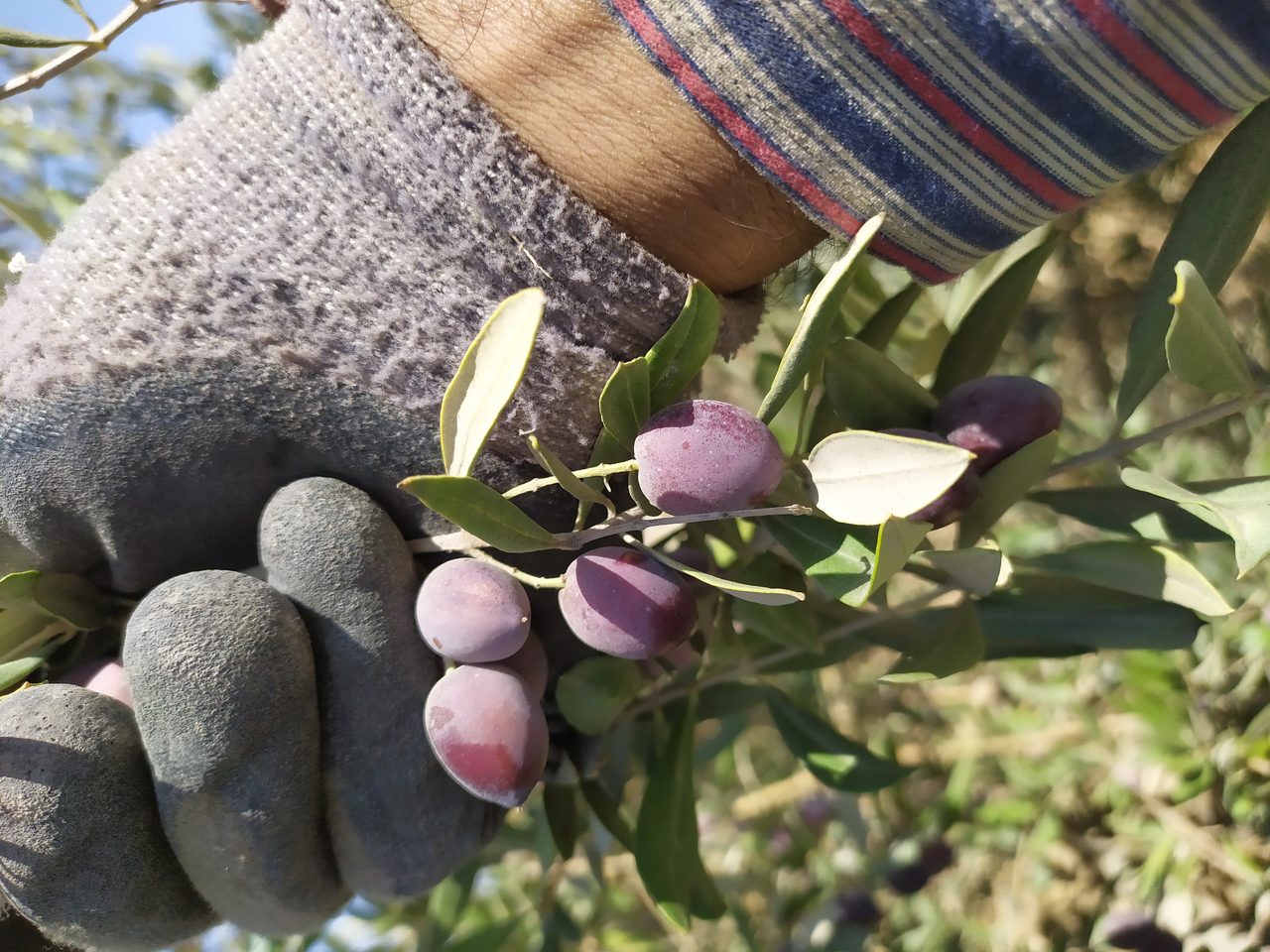
Photo: M sh شراونة محمد / Wikimedia Commons · via Wikimedia Commons
A Harvest Under Siege: Eighty Masked Men, One Beaten Photographer
Eighty masked men came down the hill
Shortly after dawn on Friday, October 16, some 80 masked Israeli settlers descended from a hilltop outpost into Abu Falah, a Palestinian village northeast of Ramallah, set olive groves alight, fired slingshots and beat farmers who had come out for the annual harvest. Israeli activists accompanying the pickers said soldiers stood almost shoulder to shoulder with the attackers before driving into the village. The Palestinian Red Crescent Society said it treated six injured people in two attacks in the town that day; a 63-year-old woman and a 40-year-old man were hospitalized after being beaten. It was the tenth day of the season.
“They just kept kicking”
Heidi Levine, a veteran photographer for The Washington Post and a U.S. citizen, was wearing a flak jacket and helmet marked PRESS front and back. She was pushed to the ground and kicked, she said, roughly 50 times over about 10 minutes; her cameras, phone and the pouch holding her passport were torn away. “Luckily I had my flak jacket and my helmet,” she said from her hospital bed. “Otherwise I probably wouldn’t even be here.” Executive editor Matt Murray said she was visibly identified as a journalist and demanded a thorough investigation.
Three villages, one morning
Hours before Abu Falah, settlers attacked Palestinians harvesting olives near Turmus Ayya and burned three cars. Video also showed settlers approaching groves near Burqa. The Red Crescent counted two dozen attacks on harvesters across the West Bank on Friday alone, with 20 people injured.
The newspaper is outraged; the police promise justice
Israeli police acknowledged that a foreign journalist had been injured and said they would investigate and “bring those involved to justice.” The military said troops and Border Police were sent to a “violent confrontation” and dispersed it with riot-dispersal means, adding that “attacks and violence against innocent civilians are serious and unacceptable acts.”
Netanyahu’s office says the facts are unclear
The Prime Minister’s Office said the facts were “unclear” and under investigation, condemned “violence against anyone — Jews, Arabs, Christians or journalists,” and suggested the confrontation involved “200 Arabs and far-left activists” facing Israeli youths. The Binyamin Regional Council called the episode a “planned provocation.”
Washington offers consular help, and little else
The State Department said it was aware of the reports, had contacted The Washington Post to offer consular assistance, condemned “criminal violence by any party in the West Bank” and backed investigations and accountability. Its statement did not mention the assault on an American journalist.
One hundred and seventy attacks in three weeks
Yesh Din, an Israeli rights group, has recorded at least 170 settler attacks since September 27, around the start of the harvest. In the preceding two weeks it documented 377 incidents of settler and soldier violence across 162 Palestinian communities: 58 assaults on harvesters, 57 cases of Palestinians blocked from picking, 100 thefts of crops and 34 cases of damaged or destroyed olive trees. The United Nations counted more than 1,600 settler attacks between January and August, and at least 76 Palestinians shot dead by Israeli forces or settlers since February 28.
What burns along with the trees
The West Bank holds about 86,000 hectares of olive groves, roughly 47 percent of cultivated land; 80,000 to 100,000 families depend on olives as a main or secondary income. Agriculture accounts for about 8 percent of Palestinian GDP and more than 60,000 jobs. The Palestinian Agriculture Ministry put losses between September 25 and October 1 at about $1.75 million, after last year’s oil output fell to roughly 7,000 tonnes.
The protected zone is shrinking
Peace Now says the area Israeli citizens are barred from entering to prevent settler violence fell from about 1,070 hectares in 2025 to about 680 hectares in 2026. Rights groups have also documented military warnings that groves will be closed if farmers bring Israeli or foreign volunteers with them.
The cameras were hit first
On October 6, AFP photographer Jaafar Ashtiyeh was beaten with rifle butts near Aqraba, south of Nablus; colleagues said about a dozen armed soldiers roughly 500 meters away did not intervene. The Foreign Press Association called the pattern “the latest in a long line of violent attacks by Israeli settlers against journalists and other civilians,” adding that its appeals had been “ignored by Israeli authorities.”
Eleven days to the vote
Israel votes on October 27, and settler violence has become a campaign issue. Former military chief Gadi Eisenkot said “this handful of rioters does not represent the Israeli public” and demanded tough police action. Yet arrests and prosecutions after such attacks remain rare. “None of them will be prosecuted,” Levine said from her bed. “I am sure of it.”
Sources
- Israeli settlers attack Palestinians and Washington Post photographer in West Bank
- NPR: Israeli settlers beat Palestinians and a U.S. photojournalist in West Bank attacks
- The Guardian: Israeli settlers attack olive farmers and Washington Post journalist in West Bank
- Associated Press: Israeli settlers attack Palestinians during olive harvest, and other Middle East developments
- CNN: Washington Post journalist hospitalized after Israeli settler attack on Palestinian olive harvest in West Bank