Coyote Killed After Toddler Is Hurt in Atwater Village
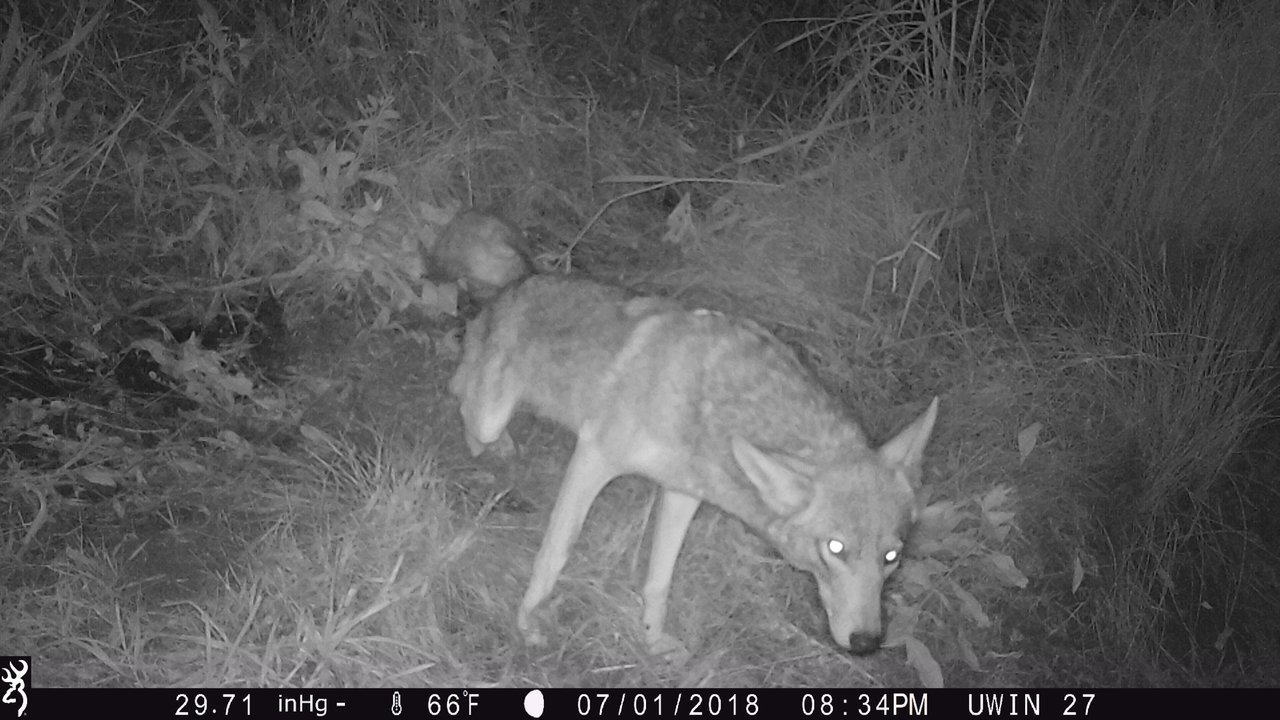
Photo: U.S.国家公园管理局(public domain) · via Wikimedia Commons
Coyote Killed After Toddler Is Hurt in Atwater Village
A 16-month-old was hurt and released
A 16-month-old child was injured on Friday during an encounter with a coyote in Los Angeles' Atwater Village, according to the California Department of Fish and Wildlife. Wildlife officers responded to the 3300 block of Glenhurst Avenue. The child was treated at a local hospital and released. Officials did not describe what happened, saying only that the child was hurt "after an incident involving a coyote."
Officials say the coyote was euthanized that night
CDFW said officers found a coyote in the same area on Friday night and euthanized it. CBS Los Angeles, NBC Los Angeles, Telemundo 52 and the neighborhood outlet The Eastsider reported the sequence the same way over the weekend: a child hurt, an animal killed, an investigation still open.
Police arrived at 8 p.m. over a shooting report
The Eastsider, citing LAPD spokesperson Jeff Lee, reported that police were also called to the scene around 8 p.m. after a report that a coyote had been shot. Officers met a game warden there, and Lee had no further details. One resident, citing neighborhood chat groups, said a toddler had been bitten and carried a short distance.
DNA samples will show whether it was the same animal
CDFW said samples from the child and the euthanized coyote were collected and will be analyzed to determine whether that animal was the one involved. In other words, officials have not yet identified the coyote as the one that hurt the child.
Neighbors had warned about a bold coyote for months
In August, a coyote neighbors called Wiley was roaming Atwater Village and was seen chasing dogs, cats and even children. Residents said someone in the area had been feeding it, and it stopped fearing people. Richard Dean, a resident, told CBS Los Angeles that he never leaves home without an air horn and now carries a baseball bat to take out the trash. It is not yet clear whether the euthanized animal was Wiley.
Feeding wildlife is illegal, officials repeat
CDFW repeated that feeding wildlife is against the law and urged residents to seal crawl spaces and remove anything that could draw coyotes in. Its advice to the public: keep a safe distance, back away slowly, keep small children and pets close, yell and wave your arms to look bigger, and fight back if a coyote makes contact before calling animal control or 911.
A city habitat makes coyotes bolder
Atwater Village sits next to Griffith Park and a stretch of the Los Angeles River. PBS SoCal reported as many as six coyotes at once on a river island between Los Feliz and Glendale boulevards, and National Park Service camera projects have long photographed coyotes along the river corridor. Drought, urban growth, feeding and food waste have gradually erased the animals' wariness, according to Southern California News Group.
L.A. County is shifting toward coexistence
Southern California News Group reported in September that Los Angeles County logged at least 12 coyote bites on people in 2015 alone, many involving joggers, children and adults resting outdoors. Several cities responded with trap-and-kill programs. On Sept. 15, Torrance became the last city in the county to abandon that approach.
144 coyotes killed, sightings unchanged
A Torrance staff report found the city's coyote abatement program euthanized 144 coyotes between 2019 and 2025 at a cost of roughly $80,000 a year, while sightings across the city stayed about the same. OutdoorHub reported that removals can also create a territorial vacancy that new coyotes fill. Private trapping requires a permit and can cost property owners up to $900 a day, and California does not allow coyotes to be relocated.
Toddlers and pets carry the risk
Experts stress that serious coyote injuries to people are rare. A community workshop covered by Yo! Venice put the numbers this way: one confirmed fatal coyote attack on a human in the United States since 1981, and about 10 bites a year across the U.S. and Canada, many linked to feeding. The risk is not evenly spread, though; the record and this case both point to small children. Here the cost fell on a 16-month-old, and on pet owners who say they no longer feel safe.
What happens when the DNA results arrive
The next milestone is the DNA comparison. A match would confirm the euthanized animal was the one that injured the child; no match would mean the animal responsible may still be in the neighborhood. Also ahead: whether anyone faces consequences for feeding coyotes, and whether Atwater Village follows the rest of Los Angeles County in shifting money from killing to education, removing food sources and community hazing.
Sources
- CBS News Los Angeles: Coyote euthanized after child is injured during interaction in Atwater Village
- NBC Los Angeles: Coyote euthanized after toddler injured in Atwater Village, CDFW says
- The Eastsider LA: Coyote euthanized in Atwater Village after child is injured
- Telemundo 52: Sacrifican a un coyote tras herir a un niño pequeño en Atwater Village, informa el CDFW
- KCRW: Why is this coyote so brazen?