Beijing Uses Long March Anniversary to Press the Case for Centralized Control
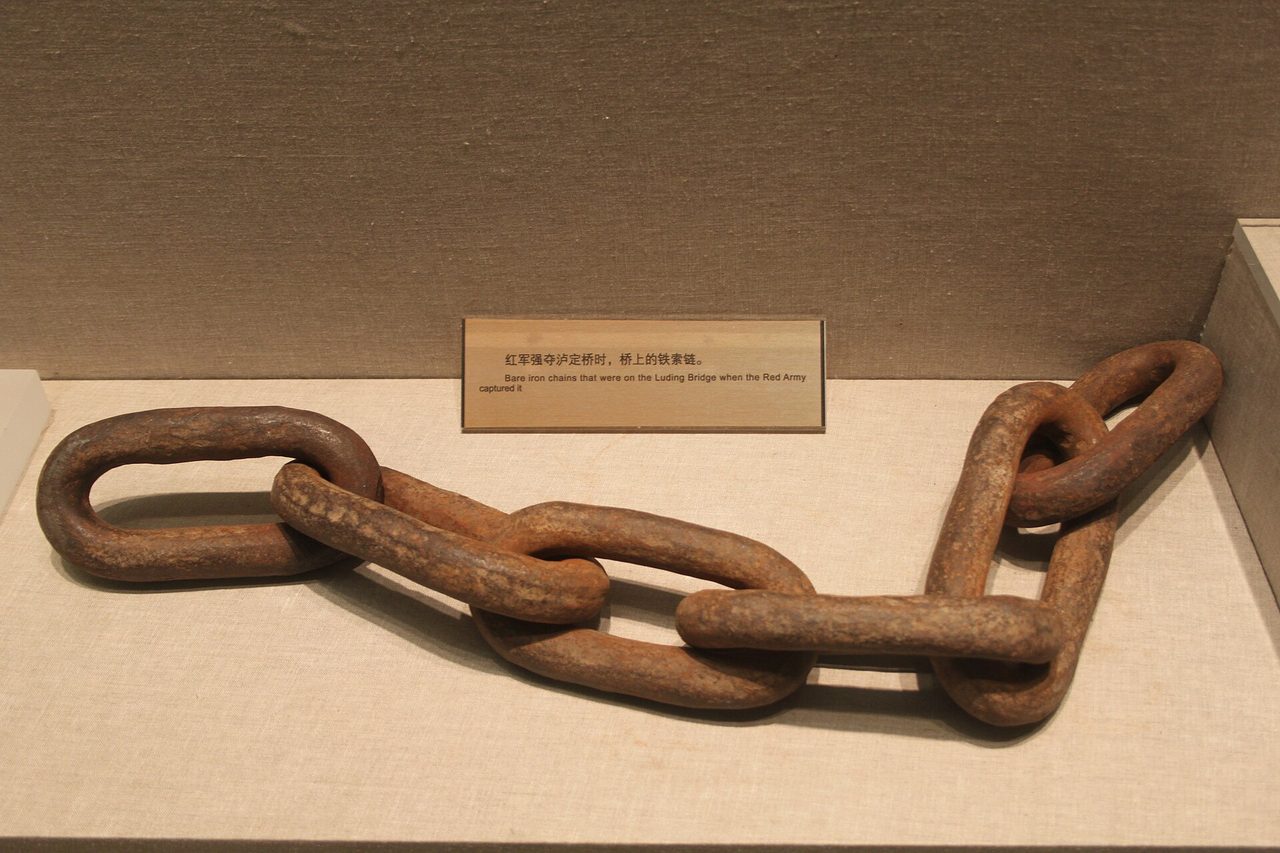
Photo: Gary Lee Todd, Ph.D. / CC0 · via Wikimedia Commons
Beijing Uses Long March Anniversary to Press the Case for Centralized Control
A Party School Essay Turns History Into a Lesson on Obedience
An article published in the People's Daily on Monday argued that the central lesson of the Long March is the need for a strong core leadership and for party members to defend that core's authority. The South China Morning Post reported on October 19 that the author was Xie Chuntao, vice-president of the Central Party School, quoting his line that only with a core can the party unite, and only with authority can its orders be carried out. The timing matters: the essay appeared as state media marked the 90th anniversary of the victory of the Long March, framing remembrance as instruction.
The Official Story Casts Zunyi as the Moment Everything Changed
State accounts describe the Long March as running from 1934 to 1936 and ending when the Red Army's main forces reunited in northwest China in October 1936, according to Xinhua. CGTN's October 16 explainer calls the Zunyi Meeting of January 1935 the defining turning point, after the failure of the fifth counter-encirclement campaign that ran from September 1933 to October 1934. A Diplomacy Talk program carried by PR Newswire dramatized the stakes: 400,000 enemy troops closing in on a Red Army of just over 30,000 in Guizhou, with the Battle of the Xiangjiang River in late 1934 presented as a near-catastrophe. In this telling, choosing Mao Zedong's leadership at Zunyi meant choosing survival and the correct path.
A Beijing Exhibition Puts More Than 300 New Artifacts on Display
The commemoration has a physical centerpiece. Xinhua reported that a themed exhibition opened on September 22, 2026 at Beijing's Military Museum of the Chinese People's Revolution, with Cai Qi, a member of the Standing Committee of the Political Bureau, addressing the opening ceremony. The show covers around 3,300 square meters with a display route of more than 760 meters, organized in seven main sections including the Zunyi Meeting and major military operations. It features 875 cultural relics or sets of relics, 186 historical documents, 357 photographs and charts, 73 artworks and 16 videos, with more than 300 artifacts and documents shown for the first time. Separately, the National Museum of China organized a touring photo exhibition of nearly 300 images in five sections, planned for about 70 museums, memorials and universities across 22 provinces from August 2026 to January 2027, reaching 54 venues by early October.
From an 86,000-Strong Breakout to a 12,500-Kilometre Trek
China.org.cn wrote that in October 1934 some 86,000 soldiers of the Red Army crossed the Yudu River to begin the strategic retreat, with some columns marching roughly 12,500 kilometers across snow-covered mountains and marshlands. Xinhua uses the same figure of roughly 12,500 kilometers and says the maneuver preserved the revolutionary forces. Human stories accompany the statistics: a tracking newsletter on the People's Daily's October 12 edition retold the half-quilt tale, in which three soldiers left half a quilt for villager Xu Jiexiu, while Xinhua's October reporting noted that this year is both the 105th founding anniversary of the Communist Party and the 90th anniversary of the Long March victory. The message is continuity between past sacrifice and present rule.
The New Long March Language Binds Memory to Current Discipline
China Daily commentaries in mid-October described China's development today as an ongoing long march and urged marching boldly forward on today's new long march. That slogan does political work: it converts commemoration into a demand for unity behind the center on the eve of further policy drives. For party cadres, the implication is tighter discipline and explicit loyalty to the core. For foreign readers, the anniversary programming, from the 875-item Beijing exhibition to editorials on authority, shows how history is mobilized to legitimize centralized leadership. What to watch next is the language used around the late-October anniversary moment itself, and whether the core-and-authority formula appears in further top-level speeches.
Sources
- Long March shows why the Communist Party needs strong leadership: state media
- Xinhua: 90 years on, Long March spirit endures in China, resonates beyond borders
- CGTN: Long March: Why it was a defining turning point in CPC history
- Where the Long March began, China new journey unfolds
- PR Newswire: China Diplomacy Talk strategic breakout that changed China destiny