US Orders DeepSeek Purged From Civilian Government Systems
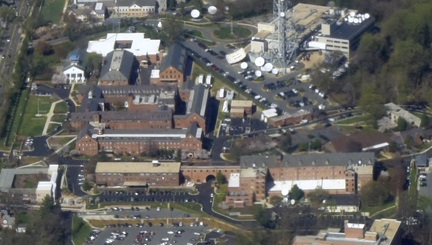
Photo: Barry Bahler / Public domain · via Wikimedia Commons
US Orders DeepSeek Purged From Civilian Government Systems
A Sweeping Removal Order Goes Public
The US Department of Homeland Security has ordered every federal civilian agency to strip technology from the Chinese AI company DeepSeek out of its IT systems, including third-party products built on its models. The BBC reported on October 19 that the ban covers most government systems and bars all use of DeepSeek inside civilian agencies.
Signed in July, Published in October
The order took effect at the end of July but was only made public on October 19, with formal publication in the Federal Register scheduled for October 20. According to CyberScoop, the directive was signed by Homeland Security Secretary Markwayne Mullin as Exclusion and Removal Order 2026-01, issued under the Federal Acquisition Supply Chain Security Act of 2018 after a review by the Federal Acquisition Security Council.
Washington Cites the Risk of Data Flowing to Beijing
The stated reason is data security. Quoting the order, The Hill reported that DeepSeek's prompt-and-response process could transfer sensitive data to China, while its apps may collect personally identifiable information, track or digitally fingerprint users, and harbor malware or other vulnerabilities. DHS argued that DeepSeek's servers sit in China, where domestic law gives the authorities broad access to company infrastructure, and that leaked government data combined with public sources could yield actionable intelligence on US persons and programs.
The Military and Spy Agencies Are Carved Out
The ban reaches only the civilian side of government. The BBC named the Treasury, State and Justice departments among those covered, while agencies inside the Defense Department are excluded. Separate reporting notes that national security systems and sensitive compartmented information systems are also outside its scope, leaving military and intelligence procurement to their own channels.
Contractors Feel the Chill, With a 60-Day Escape Hatch
The order also shuts the procurement door: DeepSeek and its affiliates are excluded from federal contracts, and vendors may not deliver government systems containing DeepSeek technology, a blow to suppliers that quietly baked the models into their stacks. CyberScoop and the International Business Times report that agencies with a mission-critical need may apply in writing within 60 days for an exception, offering a compelling justification plus mitigations, with the Cybersecurity and Infrastructure Security Agency available to help agencies that lack the means to comply.
Tech Tensions Deepen, but the Private Sector Is Spared for Now
The Commerce Department and the Navy had already banned DeepSeek on government devices, and states including New York, Tennessee and Virginia took similar steps, while lawmakers floated a government-wide ban last year. This is the first exclusion order against an AI lab issued under the supply-chain security law. For now it stops at the government's edge: no move against the private sector, no Entity List designation, no new export controls. The Chinese Embassy in Washington has not commented. What comes next is the agency-by-agency cleanup, the fate of exception requests, and whether the ban becomes a template that spreads to defense, intelligence and commercial markets as US-China tech friction grinds on.
Sources
- BBC
- Quartz
- CyberScoop
- Yahoo/Bloomberg
- The Verge