Arizona Wrote the Law That Let Theranos Sell Its Promise
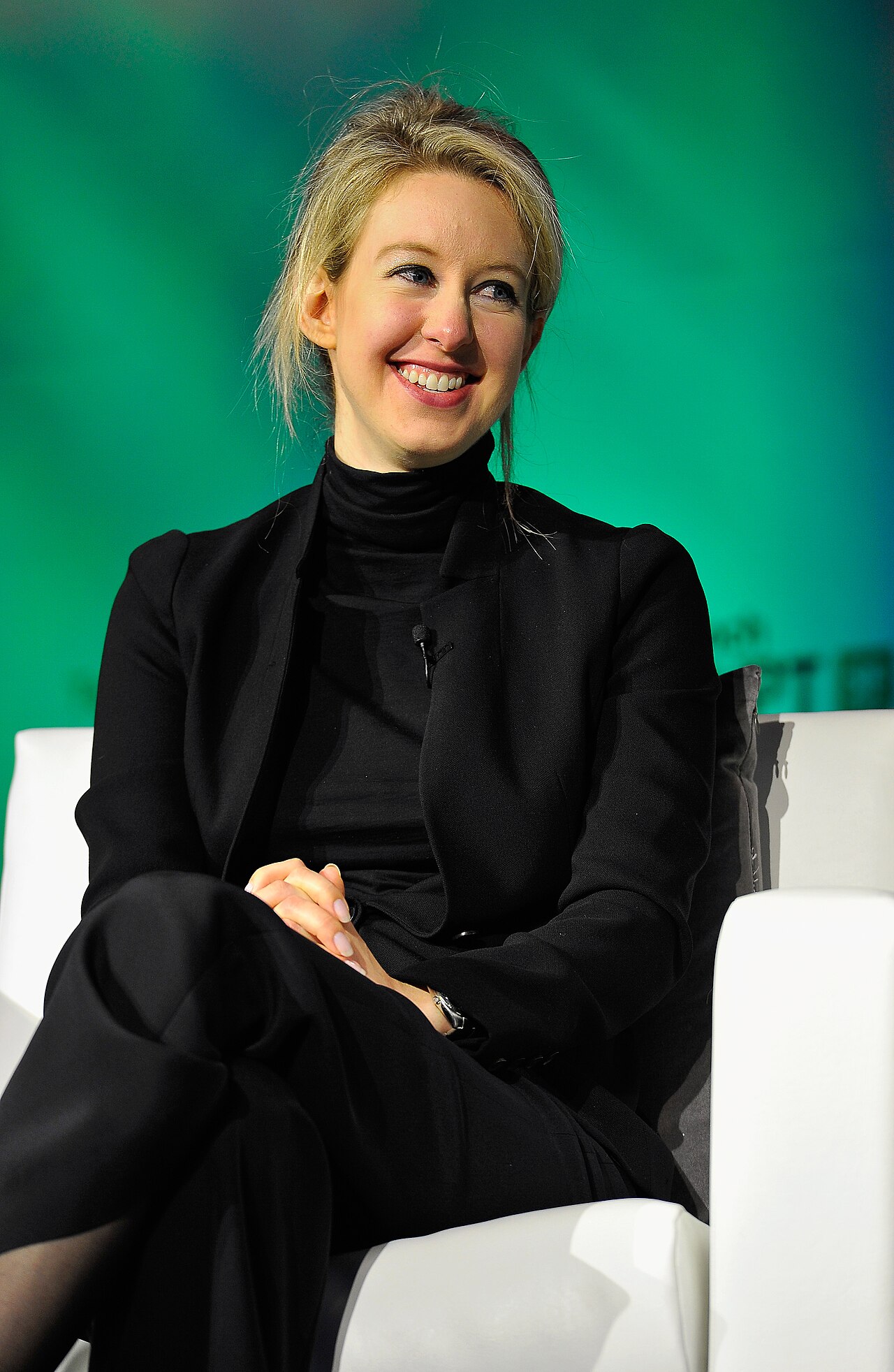
Photo: TechCrunch / CC BY 2.0 · via Wikimedia Commons
Arizona Wrote the Law That Let Theranos Sell Its Promise
A Teenage Founder Walks Into the Capitol Basement
The 12News report published on October 20, 2026, rewinds to 2015: Theranos founder Elizabeth Holmes came in person to a conference room in the basement of the Arizona House of Representatives to woo lawmakers. Holmes had founded the company in 2003 at age 19, promising hundreds of tests from a few drops of finger-prick blood. By 2014 Forbes valued Theranos at 9 billion dollars, and her 50 percent stake made her worth 4.5 billion dollars. A reporter for the Arizona Agenda recalled boxed lunches on the table as Holmes held court, flanked by lobbyists and aides, with then state Representative Heather Carter standing by.
No Doctor's Note Needed to Order a Test
Her ask was specific: change state law so consumers could order a test for any condition without a doctor's order. That provision was the key to the Theranos business model. Lawmakers passed it, and then Governor Doug Ducey signed the bill months later at a special ceremony. Supporters held up the law as proof that Arizona was pro-business and innovation friendly. In effect, the state rebuilt the road for one company, and the Holmes expansion train rolled straight into neighborhoods and drugstores.
Forty Drugstore Kiosks Open Their Doors
Armed with the new statute, Theranos based its main laboratory in Scottsdale and partnered with Walgreens to open testing sites inside 40 stores. Shoppers could give blood where they filled prescriptions, convenience built on technology that had never been properly validated. In 2015 the Wall Street Journal exposed that the devices did not work, and state health officials later faced questions over problems found at the Scottsdale laboratory as early as September of that year. By the time the myth cracked, huge numbers of test orders had already gone out.
176,000 Patients and One in Ten Results Voided
Ordinary patients paid the highest price. The Arizona attorney general's office said Theranos sold 1.5 million tests to nearly 176,000 people in the state, and more than one in ten results were later voided or corrected. Some patients made medical decisions on the basis of wrong reports. Federal prosecutors later charged that Holmes knew the analyzer had accuracy and reliability problems and could perform only a limited menu of tests, yet kept marketing the tests in other states. The company had raised roughly 945 million dollars from investors, and People magazine reported that the fraud counts at trial involved investments totaling more than 140 million dollars.
A 4.65 Million Dollar Refund Bill From the State
The official response turned in 2017. Attorney General Mark Brnovich sued Theranos, saying its advertisements misrepresented and concealed facts about test accuracy in violation of the consumer fraud act. That April the company settled for 4.65 million dollars in refunds to every resident who had taken a test, whether or not the result was voided, plus 200,000 dollars in civil penalties and 25,000 dollars in attorney fees. At the federal level, a grand jury in June 2018 indicted Holmes and former president Ramesh Balwani on eleven counts, nine of wire fraud and two of conspiracy.
Eleven Years and Three Months, Then a Documentary
In January 2022 a federal jury convicted Holmes on four of eleven counts, conspiracy and three wire fraud counts tied to investors. That November the judge sentenced her to eleven years and three months in federal prison, or 135 months, followed by three years of supervised release. She had faced a maximum of twenty years, while prosecutors had sought fifteen. She entered federal prison camp in Texas in May 2023, and she and Balwani were ordered to pay 452 million dollars in restitution to victims. In February 2025 an appeals court upheld the conviction and sentence. People magazine reports she is expected to move to a halfway house in August 2027 with release scheduled for February 2030. Now a new documentary, You Can See Everything, with whistleblower Tyler Shultz disputing its portrait of Holmes, has pushed the Arizona lawmaking episode back into the spotlight.
Sources
- 12News (via Yahoo/NewsBreak)
- Arizona Agenda
- People
- Aivanet
- Elle