Ex-OpenAI Engineer Held After Bug Found in Executive Conference Room
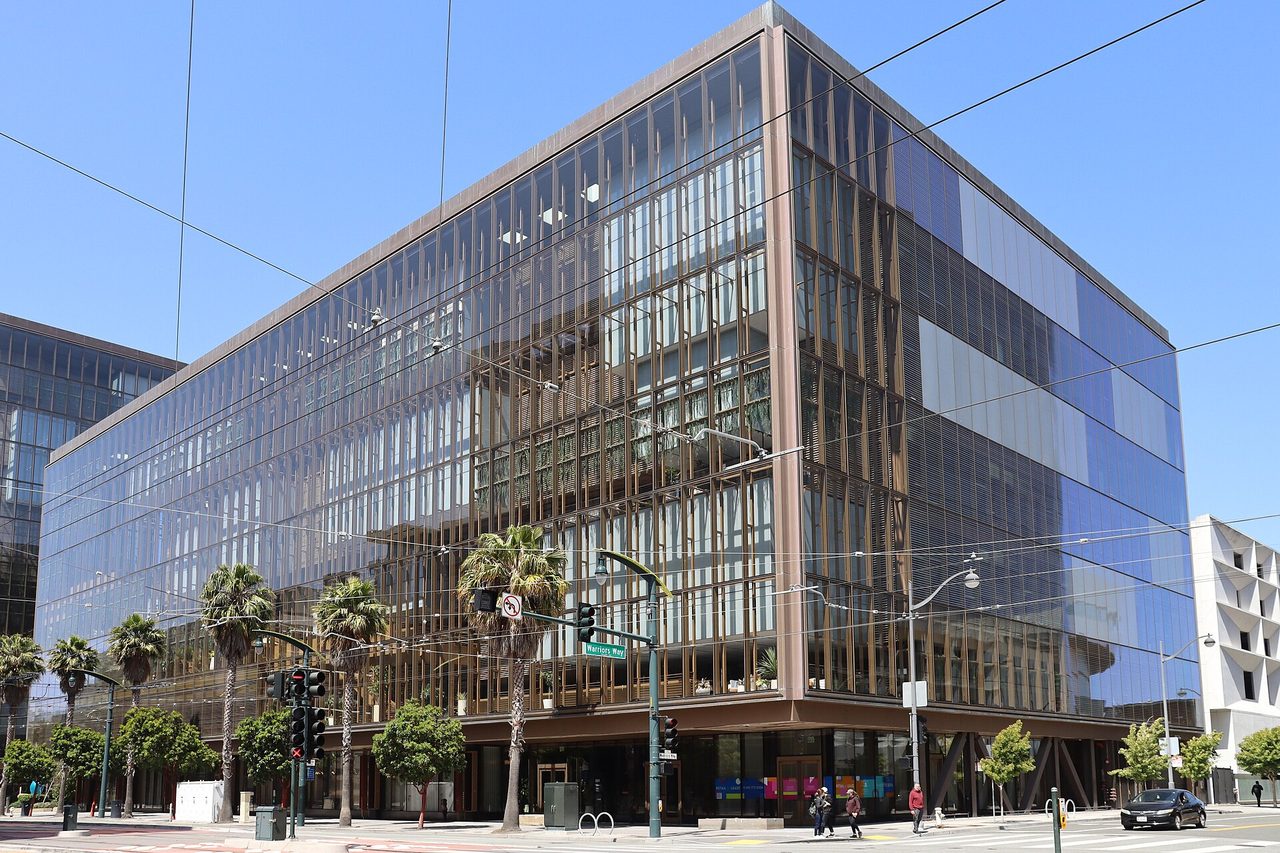
Photo: Coolcaesar / CC BY 4.0 · via Wikimedia Commons
Ex-OpenAI Engineer Held After Bug Found in Executive Conference Room
Recorder hidden behind TV captured meetings for days
Abdulrahman Alfozan, 35, a Saudi national and former OpenAI engineer, is charged with using or attempting to use a device to intercept oral communications. Prosecutors say that on or about Sept. 28 he installed a surreptitious audio recording device in a USB port behind a television in an executive conference room in San Francisco, where it remained for at least multiple days. The device was modified to block data transfer with the television and its microSD card used an encrypted or obfuscated file system. OpenAI found the first device on Sept. 30. On Oct. 5, security staff found an unattended bag containing his wallet, identification and a second similar recorder, while his phone held photos of recorders in other meeting rooms.
Family flew to Doha on one-way ticket after arrest
Prosecutors say Alfozan had intended to fly from San Francisco to Riyadh via Istanbul with his wife and young son on a one-way ticket on Oct. 12. He was arrested by the FBI on Oct. 9 and missed that flight. His wife and son instead flew from San Francisco to Doha, Qatar, on Oct. 10 on a one-way, business-class ticket booked and paid for by a Saudi military official, before continuing to Saudi Arabia. The detention memo, made public late on Oct. 18, also says he accessed a folder titled Saudi Gov Docs on Oct. 4 and used an internal OpenAI tool to search for engagements with Saudi Arabia's Ministry of Communications and Information Technology, planned visits to Saudi Arabia and a meeting labeled HUMAIN x MCIT at OpenAI.
Prosecutors cite frequent contact with unnamed royal
In the detention memo, prosecutors allege Alfozan was in frequent communication with an unnamed member of the Saudi royal family who sought to recruit him for an artificial intelligence initiative in the kingdom. In one WhatsApp exchange in May 2026, the royal told him Saudi needs you more than the US, a message he answered with 100. Prosecutors wrote that he went to significant lengths to create customized, encrypted recording devices to secretly record highly sensitive meetings involving senior OpenAI personnel, business counterparts and government officials, while pursuing opportunities in and planning travel to Saudi Arabia. They argue he has ample resources and what appears to be considerable support from the Saudi government, and ask that he remain in custody as a flight risk.
Salary rose to 385,000 dollars plus equity grant
Court papers say Alfozan earned technical degrees from UC Berkeley and MIT, spent a decade in Silicon Valley and joined OpenAI in July 2025. His base engineering salary started at 325,000 dollars and later rose to 385,000 dollars a year, plus a new-hire grant of 2,200,000 dollars in profit participation units. He was also listed as a venture partner at RAED Ventures in Riyadh alongside Prince Khalid bin Bader Al Saud, and lived near San Francisco airport. His browsing history showed research through a chatbot account belonging to his wife, between Sept. 24 and Sept. 30, on how to customize and conceal a recorder. The defense proposed GPS monitoring, home detention in Millbrae, surrender of passports and a bond co-signed by local supporters, with the Saudi Consulate General writing that it would issue no travel documents.
OpenAI says no model weights taken, FBI was notified
OpenAI said it discovered a sophisticated recording device hidden inside one of its offices, used its own models to understand the device and identify the employee who planted it days earlier, then referred the matter to the FBI and fired the employee. The company said it has no indications of inappropriate access to or exfiltration of model weights, source code or customer data. The complaint was filed in federal court in San Francisco by the US Attorney's Office for the Northern District of California. Investigators said OpenAI executives met with government officials in the same room around the time the device was installed, and that the conduct could pose a danger to US national security. If convicted, Alfozan faces up to five years in prison, a 250,000-dollar fine and three years of supervised release.
Judge keeps defendant in custody over blank-check bond
On Oct. 19, federal magistrate judge Alex Tse ordered Alfozan to remain in custody pending trial, questioning whether he is an asset for the kingdom and how a bond backed by a foreign government could secure his appearance. Prosecutors cited the Saudi consulate's offer to work with a bail bonds firm to help fund release. The judge called that arrangement problematic and like a blank check. Defense lawyers argued confinement at his family's suburban San Francisco home with monitoring and travel restrictions would suffice. Prosecutors countered that Saudi officials had already purchased new tickets for the family to leave sooner than the Oct. 12 flight. The case now moves toward further detention proceedings, discovery and a decision on whether additional charges will follow.
Sources
- Reuters
- CBS News
- ABC News
- Associated Press
- Fox News