Samsung's Next Trick: A Phone That Slides Instead of Folds
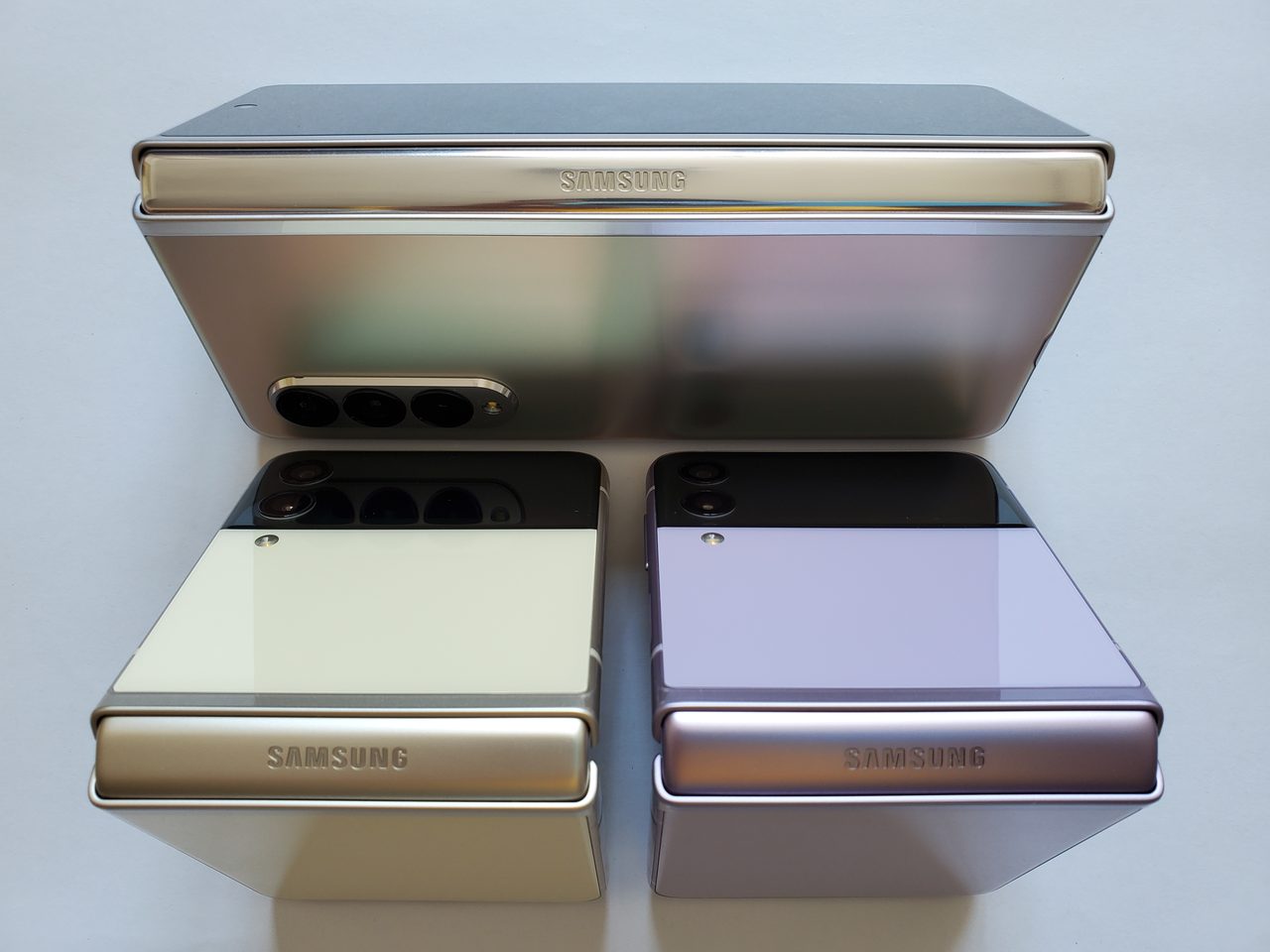
Photo: Ka Kit Pang / CC BY-SA 4.0 · via Wikimedia Commons
Samsung's Next Trick: A Phone That Slides Instead of Folds
Six Foldables Tipped for 2027, Including a Rollable First
Tipster Anthony, known as TheGalox_, posted on X that Samsung is preparing six Galaxy Z devices for 2027: the Galaxy Z Flip 9, Galaxy Z Fold 9, Galaxy Z Fold 9 Ultra, a new Galaxy Z Fold 9 Pro, the Galaxy Z TriFold 2, and the most eye-catching entry, the Galaxy Z Slide. Multiple tech outlets picked up the claim, calling it potentially Samsung's biggest foldable lineup ever.
No Crease, No Hinge: A Screen That Unrolls
Unlike the book-style Fold or the clamshell Flip, the Z Slide is said to use a rollable mechanism: the display stays tucked away and slides outward to create a larger viewing area on demand. The concept traces back to a patent spotted in 2021, describing a screen that wraps around the edge of the phone and continues onto the back, with a sliding motion pulling the rear portion around to the front.
Years of Prototypes Point to a Maturing Technology
The idea did not come from nowhere. Samsung Display showed slidable concepts at the CES trade show, including the Slidable Flex Duet expanding from 8.1 inches to 12.4 inches and a vertical-slider stretching from 5.1 inches to 6.7 inches. At MWC in March this year it demonstrated a Mobile Slidable prototype that grew from 5.1 inches to 6.7 inches. Supply-chain analysis cited in the press expects a commercial Z Slide could carry a 10-inch-class rollable display. Earlier industry chatter had pointed to 2028 for a rollable phone, so a 2027 arrival would mean an accelerated schedule.
TriFold Sequel Leads the Charge After a Three-Month Sellout
The TriFold 2 is tipped to kick off Samsung's 2027 foldable push. The original tri-folding phone was a limited run that sold out completely after only three months in production, carrying a hefty 2,800-dollar price tag that proved buyers exist at the ultra-premium tier. The sequel is said to be thinner, lighter and longer-lasting, while the Fold 9 line would split into standard, Pro and Ultra tiers to cover more price points.
The 4+4 Blueprint: Four Slabs First, Four Folds After
A Korean industry report in July outlined a "4+4" plan for 2027: four conventional flagships in the first half, then four foldables in the second half, namely the Fold 9, Fold 9 Ultra, Flip 9 and TriFold 2. The new leak keeps those four and adds the Fold 9 Pro and Z Slide, so the open question is whether the two additions are genuine or wishful thinking.
Apple's Foldable Debut Forces Samsung's Hand
The competitive pressure is obvious. Apple's first folding phone, the iPhone Duo, starts at 1,999 dollars for 256GB, went on sale on October 23, weighs 254 grams and measures 11.3mm thick when folded. Samsung's current Galaxy Z Fold 8 undercuts it at 201 grams, 9.7mm folded and a 1,899-dollar starting price. With Apple's entry reportedly selling out its early allocation, Samsung is said to have pulled the TriFold sequel forward, and a six-device counterattack would be its most aggressive response yet.
Tablets Climb Too, With a First-Ever Chip Switch
Samsung is pushing prices higher beyond phones. The Galaxy Tab S12 series, on sale from October 7, drops the base model entirely: the Tab S12+ starts at 1,199 dollars and the Tab S12 Ultra at 1,399 dollars, the latter 100 dollars more than last year. The Ultra packs a 14.6-inch display and an 11,600mAh battery, runs on MediaTek's Dimensity 9500 — the first MediaTek chip in Samsung's flagship tablet line — and bundles app perks worth about 445 dollars.
Memory Sold Out Into 2027, Locking In Higher Prices
The confidence behind this expansion comes from upstream. KB Securities research chief Kim Dong-won estimates about 80 percent of Samsung's planned 2027 memory output is already locked in through long-term agreements: roughly 70 percent of conventional DRAM and NAND flash under five-year contracts, and all of next year's projected high-bandwidth memory output fully booked, with hyperscalers competing for the remaining 20 percent. The brokerage expects HBM4 to account for 80 percent of Samsung's HBM sales next year, up from 40 percent this year, with HBM average prices rising 100 to 150 percent and DRAM prices posting a double-digit sequential gain in the first quarter. With AI data centers eating capacity first, pricier phones look unavoidable.
Still a Rumor, but the Direction Is Clear
Caution is warranted: the six-device list comes from a single tipster with no Samsung confirmation. Durability, software adaptation and pricing for a sliding phone are all unknowns. But patents, working prototypes and capacity planning all point the same way — Samsung sees the slide-out screen as the form factor after the fold. The next test is whether the official lineup confirms it.
Sources
- Samsung Has Already Found the Next Way to Unfold a Phone
- Samsung's 2027 Galaxy Z lineup could expand to six devices
- From TriFold 2 to Galaxy Z Slide
- Samsung Foldable Phones 2027: Six-Device Rumor Explained
- Samsung's successor to foldable phones