3,000 Steps a Day May Slow Alzheimer's, Study Finds
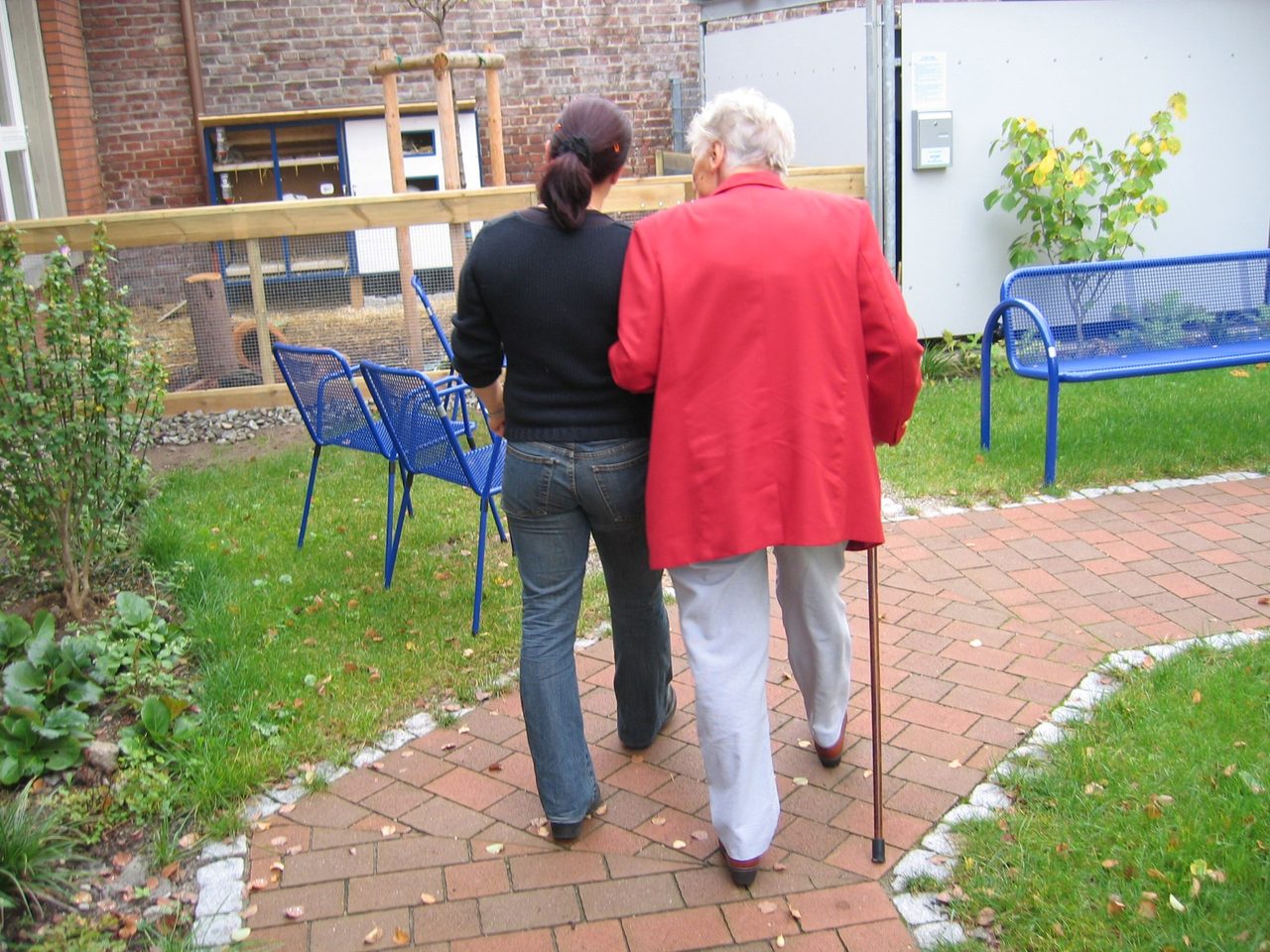
Photo: CC0(Wikimedia Commons) · via Wikimedia Commons
Three Thousand Steps May Be Enough to Slow Alzheimer's
A Smaller Daily Goal With a Big Payoff
Forget the 10,000-step rule. A long-term study published in Nature Medicine finds that benefits for the aging brain start showing up at around 3,000 steps a day, roughly a half-hour walk at a moderate pace. For older adults who rarely exercise, that smaller target could be life-changing.
Tracking Nearly 300 Brains for Up to 14 Years
The research comes from Harvard University and the Mass General Brigham team, drawing on the Harvard Aging Brain Study. Scientists enrolled 296 adults aged 50 to 90 who were cognitively healthy at the start but already carried elevated amyloid-beta, an early warning sign of Alzheimer's. Participants wore waistband pedometers, underwent PET scans to measure amyloid plaques and tau tangles, and completed yearly cognitive tests over two to 14 years, averaging 9.3 years. A subset received extra brain scans to track tau changes over time.
Movement Curbs Tau, Not Amyloid Plaques
The official takeaway is precise: physical activity did not reduce the toxic amyloid plaques targeted by current Alzheimer's drugs. What it did change was the buildup of misfolded tau protein in specific brain regions, the pathology tied to worsening memory and day-to-day function. In the most active participants, markers of dementia progression fell by almost half.
Three Years Gained at 3,000 Steps, Seven at 7,500
The dose curve has two clear steps. People averaging 3,000 to 5,000 steps a day saw cognitive decline delayed by about three years compared with sedentary peers. Those averaging 5,000 to 7,500 steps pushed that delay to around seven years. The strongest association sat in the 5,000 to 7,500 range, then plateaued: more walking did not necessarily add more protection.
A 78,000-Person British Study Points the Same Way
Independent evidence lines up behind the finding. A larger 2022 British study followed 78,430 people for seven years with wrist accelerometers and found dementia risk fell by 25 percent at about 3,800 steps a day, rising to 50 percent at around 9,800 steps. Both studies suggest moderate step counts carry real weight, and the 10,000-step mantra is not required.
Why Sedentary Seniors Stand to Gain Most
The people with the most to gain are older adults who already show early brain changes but no symptoms, plus the families who care for them. A daily half-hour stroll is a goal a sedentary senior can actually keep, unlike an intimidating five-digit number. The usual caution applies: these are observational findings showing a link, not proof of cause, so steps are motivation rather than a prescription.
What Comes Next: Walk, but See a Doctor First
The authors stress there is no single activity standard suited to everyone. Anyone noticing memory loss, trouble following conversations, difficulty juggling tasks, or groping for words should talk to a doctor first, then build a walking plan that fits their body.
Sources
- ScienceDaily
- NewsBytes
- SSBCrack News
- ENMNews