NextDC Slashes Guidance by a Third as Shares Plunge 44% to Nine-Year Low
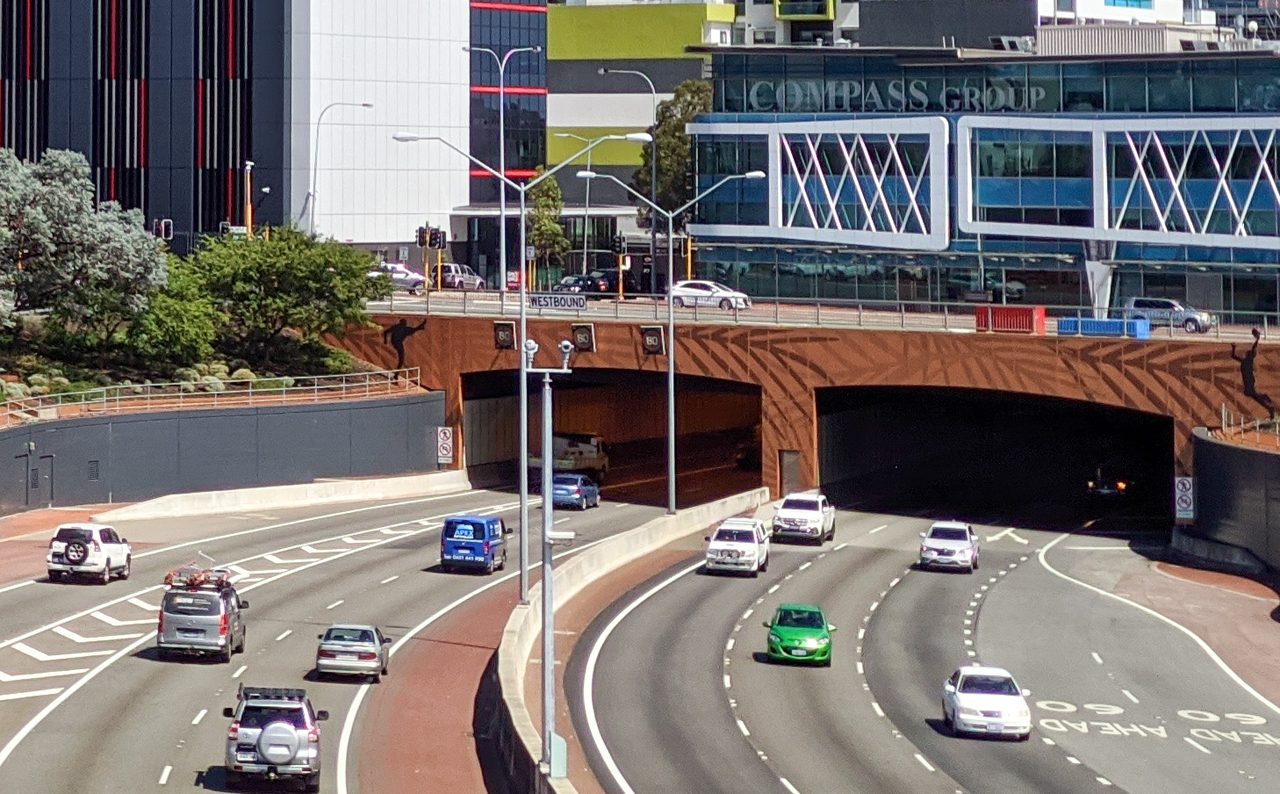
Photo: Samuel Wiki / CC0 · via Wikimedia Commons
NextDC Crashes to Nine-Year Low as Melbourne Power Fight Derails Outlook
Guidance cut by a third sends stock to 2018 levels
Shares of Australian data centre operator NextDC sank about 44% in early trade on Oct. 21, making it the biggest loser on the benchmark index and sending the stock to its lowest since Jan. 18, according to Reuters reporting carried by Investing.com. The fall wiped about A$3.1 billion from its market value. Bloomberg reported a drop of almost 42%, the most since its 2010 listing, cutting its value to about A$4 billion ($2.8 billion). Yahoo Finance and Investing.com put the fall at 42.1% to A$5.32, the lowest since Jan. 17, 2018. The Money Edition reported a 40.2% fall to $5.48, an eight-year low. CNBC noted the shares had declined for seven straight weeks and were on course for an eighth weekly fall.
Revenue and EBITDA forecasts rewritten without M3 contracts
NextDC sharply lowered its fiscal 2027 outlook, stripping out affected M3 contracts. SRN News and related Reuters copies said net revenue for 2027 is now expected at A$475 million to A$500 million, down from A$615 million to A$640 million, while underlying EBITDA is cut to A$245 million to A$265 million from A$385 million to A$410 million. Bloomberg described the move as slashing full-year earnings guidance by a third. InvestingLive said the EBITDA cut was by more than a third. Mezha News reported about A$140 million ($98 million) in contracted customer revenue would be deferred from the current financial year. The company said the affected M3 contracts were removed from 2026/27 earnings guidance.
Jemena halts 66-kV works after residents block access
The delay centres on power-network upgrades for the M3 Melbourne site. The Canberra Times and related regional titles said distributor Jemena suspended works needed to lift supply because of safety concerns and lack of site access amid community and stakeholder opposition, with the local council withholding consent pending further consultation. The works involved replacing poles in Yarraville and West Footscray with much larger poles capable of carrying 66 kilovolts. The Australian Financial Review said the concrete poles are up to 22 metres tall, almost three times the height of traditional wooden poles. The M3 site has operated since 2022 in West Footscray, about 10km from Melbourne's CBD, with 41,000 metres of technical space, the size of eight downtown city blocks.
Protests expose AI infrastructure bottleneck across the sector
Bloomberg said the plunge triggered a ripple effect across other local operators. The Brisbane Times traced the crisis to protests in Melbourne's inner west over enormous poles on narrow residential streets, now forcing a search for a new way to power the flagship centre. News.com.au placed the clash in a wider national and global backlash against resource demands from the AI boom, noting Victorian Premier Ben Carroll imposed strict new data centre rules in late September requiring developers to supply their own renewable energy, use recycled or non-drinking water, and build at least 150 metres from homes. Founded in 2010 by tech entrepreneur Bevan Slattery, NextDC operates 17 data centres across Australia and one each in Kuala Lumpur, Tokyo and Auckland.
New builds frozen as board weighs asset sales and lower capex
To conserve cash, NextDC put all new development projects and land acquisitions on hold. Proactive Investors said spending will focus on contracted capacity due over the next 12 to 18 months. The Canberra Times said capital expenditure for 2026/27 will be cut by $750 million to between $4.5 billion and $5 billion. InvestingLive put the previous range at A$5.25 billion to A$5.75 billion and said liquidity stood at about A$8.7 billion at Sept. 30, with the company remaining within covenants. The Australian Financial Review said the board, emerging from a two-day trading halt, will consider capital-recycling options including sales of selected development sites.
Sources
- Reuters
- Bloomberg
- Yahoo Finance
- CNBC
- The Canberra Times