Barclays Cuts 5,000 Jobs as AI Becomes the Bank's Cost-Cutting Engine
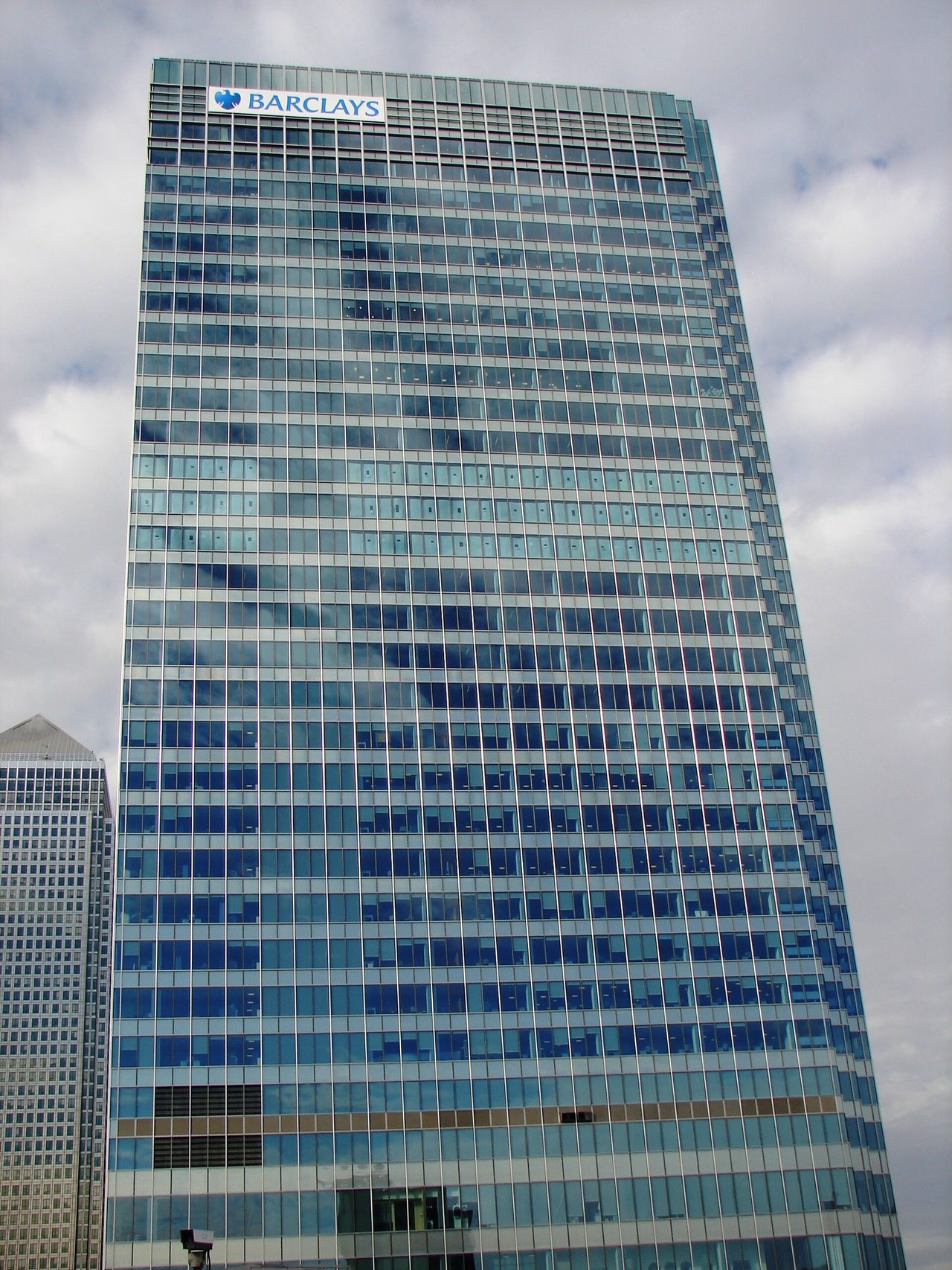
Photo: Bajajvikram at English Wikipedia / Public domain · via Wikimedia Commons
Barclays Cuts 5,000 Jobs, Putting AI Front and Centre of the Cost Story
Cuts land by the end of the year
Barclays announced on 22 October that it will remove around 5,000 roles by the end of 2026, of which roughly 1,000 have already gone in the first half of the year and the remaining 4,000 are spread across the second half. In its results presentation the bank described the move as "organisational simplification and technology change efficiency driven by AI".
About five percent of global headcount
The reduction equals roughly 5% of Barclays' global workforce, which totalled around 93,000 people at the end of 2025. Most of the affected positions are operational and functional roles, with the bulk sitting in the UK retail banking arm.
AI framed as the cause
Group chief executive C.S. Venkatakrishnan said the cuts are "a result of the investments which we've made into technology over a number of years and which we continue to make", with AI making work processes more efficient. On the media call he described AI as the "icing on the cake" of the bank's technology investment — an accelerant on spending already committed, not the starting point.
Six in ten roles sit in support functions
Chief financial officer Anna Cross said around 60% of the group-level actions relate to support functions, including developers. "AI makes our people more productive," she said. It is among the clearest signs yet from a large bank that automation is being used as an explicit lever to reduce headcount in technology-heavy roles.
A £1.1bn target for next year
Cross said the cuts form part of a plan to save the company £1.1 billion ($1.4 billion) in 2027. The published cost outlook puts total costs at about £18.5 billion this year and £18.4 billion in 2027.
Profit rose, but missed the mark
The same day brought third-quarter results: pre-tax profit of £2.3 billion, up 12% year on year but below the roughly £2.4 billion analysts had expected. Group income grew 3% to £7.4 billion. Investment bank income of £3.1 billion came in under the £3.3 billion forecast, with fixed income trading the weak spot. Earnings per share rose 18% to 12.3p, and return on tangible equity improved to 11.7% from 10.6% a year earlier.
Cost savings running at double plan
Structural cost actions came to £201 million in the third quarter, taking year-to-date savings to roughly £600 million — about twice what had originally been anticipated. A further £300 million of savings is planned for the final three months of the year.
Retail banking bears the brunt
The bulk of the cost cutting came from the UK retail bank, though a proportion was also taken from the investment bank. Barclays had already removed 500 positions in its corporate banking business earlier in the month.
Shares edge lower
Barclays shares edged lower in London after the announcement. The bank also launched a £500 million share buyback, bringing distributions announced this year to £2.8 billion, up 46%. The common equity tier 1 capital ratio stood at 14.2%.
The 2028 targets matter more
"With one quarter remaining in our initial three-year plan, we have achieved or are on track to achieve all of our group targets for 2026," Venkatakrishnan said. Barclays reaffirmed its 2028 targets of returns above 14% and more than £15 billion of capital returns over 2026-2028. For the nine months to September, pre-tax profit was £8.4 billion, up 15%, on a return on tangible equity of 13.8%.
Sources
- BBC: Barclays cutting 5,000 jobs as it increases reliance on AI
- Euronews: Barclays to cut 5,000 jobs as it turns to AI to improve efficiency
- The Independent: Barclays to cut 5,000 jobs by end of year after AI drive
- TechRadar: Barclays to cut 5,000 jobs while handing work over to AI — Chief Executive says AI is 'icing on the cake'
- Business Times: Barclays to cut 5,000 jobs in AI-fuelled push to lower costs