Meta Strikes Deal to Keep Zuckerberg in California as Billionaire Tax Vote Looms
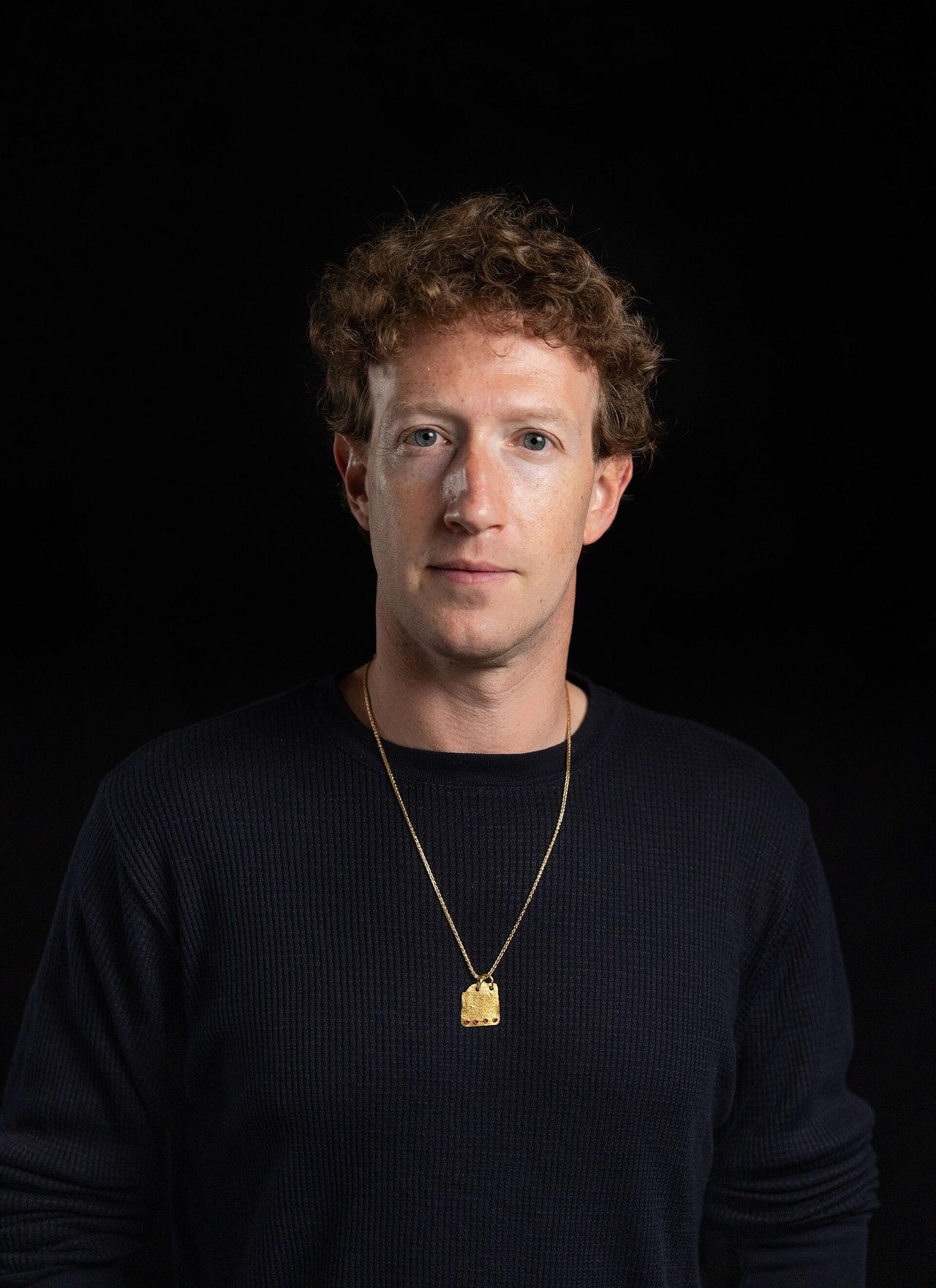
Photo: Jeff Sainlar; Social Producer and Editor, Meta / CC BY-SA 4.0 · via Wikimedia Commons
Meta Strikes Deal to Keep Zuckerberg in California as Billionaire Tax Vote Looms
New Nonvoting Shares Keep CEO in California
Meta Platforms disclosed that it reached an agreement with CEO Mark Zuckerberg to issue new nonvoting Class C shares, helping him cover a potential multibillion-dollar tax bill if California voters approve a one-time billionaire wealth tax, in exchange for his commitment to remain a California resident for eight years. A special committee of Meta's board concluded it was "critically important" that Zuckerberg remain in a leadership role at the company's California headquarters.
Zuckerberg Weighed Leaving California
According to the SEC filing, Zuckerberg told the special committee he was considering relocating his primary residence outside California because Proposition 40 could expose him to a "significant, multi-billion dollar tax." He stated he would need to begin taking steps by mid-September to establish residency outside California by mid-October. Zuckerberg has multiple California residences, including in Palo Alto and Lake Tahoe, as well as properties in Hawaii, Miami, and Ireland.
Proposition 40: A One-Time 5% Billionaire Tax
Proposition 40 would impose a one-time 5% state tax on California residents with net worth exceeding $1 billion, assessed as of January 1, 2026. The tax would be due in 2027, with an option to spread payments over five years at additional cost. Real estate, pensions, and retirement accounts are generally excluded. Covered assets include "businesses, securities, art, collectibles, and intellectual property." The state estimates the measure could raise tens of billions of dollars over several years, with about 90% of proceeds funding public health services.
Nonvoting Stock Preserves Voting Control
Zuckerberg's concern, per the filing, was that paying the proposed tax could force him to sell some supervoting Class B shares, reducing his voting control from about 60.6% to 53%. To prevent this, Meta's board authorized a new class of nonvoting common stock. Zuckerberg can immediately sell 20% of the Class C shares he receives, representing 10% of his overall economic stake, potentially allowing him to pay the tax without giving up voting control. The commitment requires him to remain in California for eight years "unless there are material unforeseen circumstances."
Wealth Tax Debate Intensifies
Proposition 40 is endorsed by the California Democratic Party but opposed by prominent Democrats including Governor Gavin Newsom. Opponents, largely tech executives, have raised more than $340 million to defeat the measure. A Citrin-Politico poll shows 46% of likely voters in favor and 43% opposed. Two countermeasures, Propositions 41 and 42, are designed to cancel out the tax if they pass, with polling showing slim majorities supporting all three. Voters will decide on November 3.
Numbers and Stakes
Zuckerberg's net worth is estimated between roughly $225 billion and $247 billion depending on the source, with Forbes ranking him as the world's sixth richest person. At a 5% rate, his tax liability would be approximately $12.4 billion. Meta noted Zuckerberg's salary is only $1 per year, adding that he would "effectively be paying to serve as the Company's chief executive officer while residing in California" if the tax passes. Critics argue the arrangement lets a billionaire use corporate resources to protect personal wealth, fueling the wealth tax debate.
Sources
- The Guardian: Meta strikes deal with Zuckerberg to protect him from California wealth tax
- CNBC: Meta's deal to keep Zuckerberg in California adds fuel to wealth tax debate ahead of election
- Forbes: Meta Stock Split Deal Will Keep Mark Zuckerberg In California Amid Billionaire Tax Threat
- Fox Business: Zuckerberg strikes Meta deal to stay in California amid potential wealth tax
- NBC26: Zuckerberg strikes deal with Meta's board to stay in California as billionaire tax vote looms