U.S. Quietly Reduces Troop Footprint in Middle East as Iran Ceasefire Talks Continue
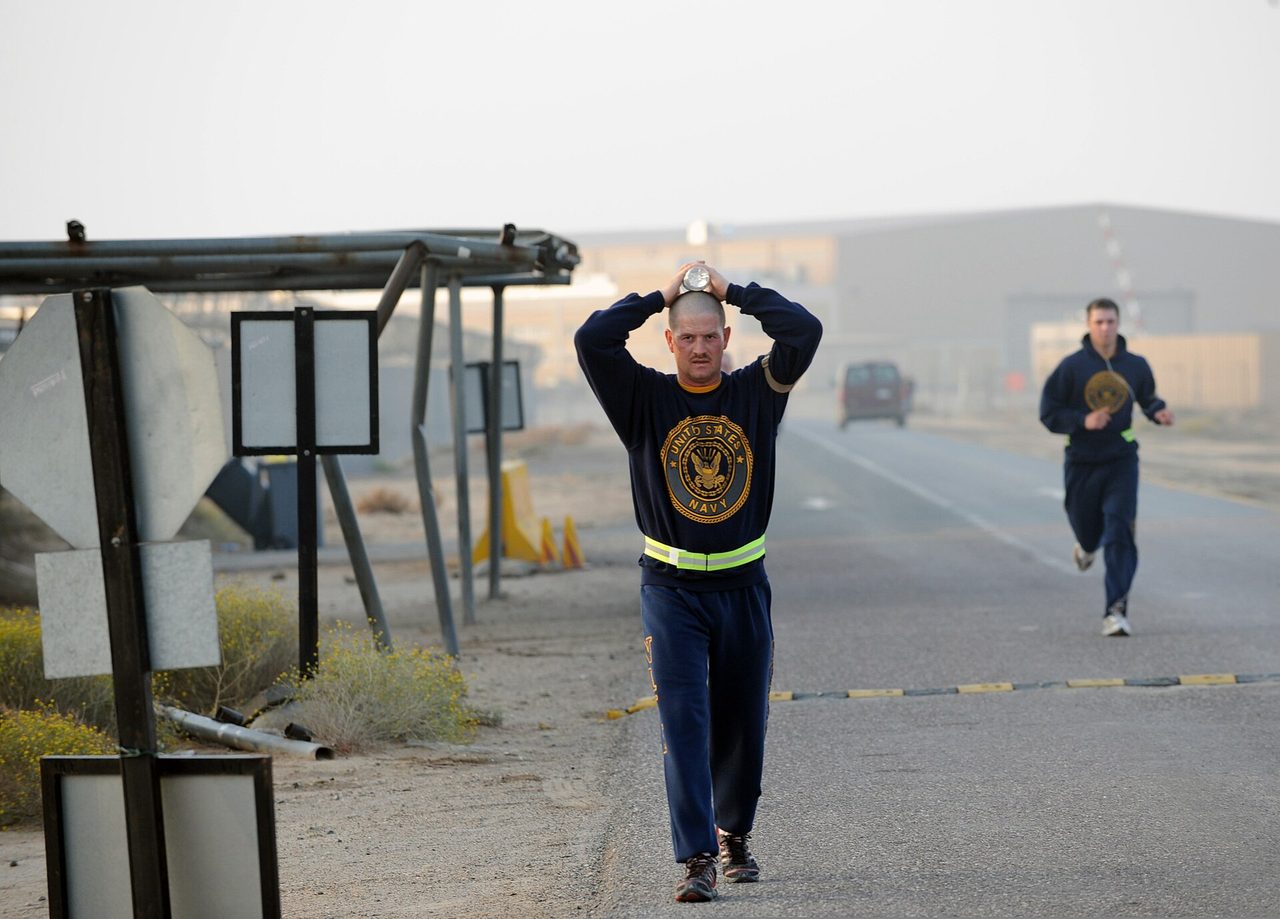
Photo: MC1 Jorge Saucedo / Public domain · via Wikimedia Commons
U.S. Trims Middle East Troop Footprint as Iran Ceasefire Talks Continue
U.S. quietly reduces Middle East troop presence
The U.S. military has been quietly reducing its footprint at posts across the Middle East, CBS News reported Wednesday, citing sources who attributed the move to ongoing regional threats from Iran-backed Houthis and direct threats from Iran. NBC News reported that the State Department has ordered reductions at multiple diplomatic posts, with the U.S. Embassy in Saudi Arabia placed under "ordered departure" status, operating with emergency personnel only. Personnel at bases in Jordan, Qatar and Kuwait were also ordered to move in recent days. news-brief.com reported that Pentagon planners describe the redeployment of roughly 2,000 personnel from forward operating bases in the Persian Gulf and Iraq to more secure locations including Kuwait and Qatar as a "strategic recalibration."
Iran's seven-day ceasefire proposal still on the table
Iranian Foreign Minister Abbas Araghchi said Wednesday that indirect negotiations continue over a seven-day ceasefire proposal Iran presented in September, which President Trump initially rejected last month, with the U.S. seeking new clauses. The plan calls for lifting the U.S. naval blockade of Iranian ports, lifting sanctions on Iranian oil sales, reopening the Strait of Hormuz and releasing frozen Iranian assets. Araghchi named Pakistan and Qatar as mediators, insisting "the negotiating table remains in place" and that it is Washington closing the path. Iran said Tuesday it would not return to negotiations unless the U.S. drops its sanctions, threats and pressure campaign. A senior Revolutionary Guard official threatened Wednesday to target undersea internet cables in the Strait of Hormuz and other U.S. "investments" if the U.S. launches new strikes.
Why the drawdown now
The troop reduction comes as the war Trump said would take only a few weeks enters its eighth month. Trump is weighing new military strikes on Iran's nuclear and oil facilities, and one approach under consideration combines additional military pressure with economic damage already inflicted on Iran to push Tehran to negotiate an end to the conflict and reopen the Strait of Hormuz. Iran has warned the strait will remain closed until the U.S. agrees to its terms.
Who is affected
The drawdown echoes the reductions seen at the start of the Iran war in February, according to NBC News. The U.S. has completed its withdrawal from Iraq, with the last troops leaving September 30, ending more than two decades of presence. Meanwhile, Trump ordered a third carrier strike group and up to 10,000 additional troops toward the Middle East, per a Wall Street Journal report, with the USS Theodore Roosevelt en route; Secretary of State Marco Rubio previously expelled Iran's delegation from the U.S. The Middle East hosts an estimated 40,000 to 50,000 U.S. troops across more than 20 sites.
What comes next
Trump said new strikes are possible after the November 3 congressional midterm elections and warned of retaliation if Iran is linked to an attack on an Israel-bound flight. Analysts note that drawdowns of this kind in Gulf escalation episodes typically resolve within days, with the next verification step being confirmation from the Pentagon or State Department. Iran damaged at least 20 U.S. military bases in the Middle East during the 2026 war, with some analysts saying as many as 28 were hit.
Sources
- CBS News: Live Updates: U.S. reducing troop footprint in Middle East, sources say, as indirect talks on ceasefire proposal with Iran continue
- Firstpost: US 'secretly' scales back troops, diplomats in West Asia as Trump mulls renewing attack on Iran
- Israel National News: Report: US reducing Middle East troop presence as Trump weighs new Iran strikes
- news-brief.com: Iran's Pezeshkian Demands U.S. Recognition of Rights Before Nuclear Talks Can Resume
- Newsfinale: US Troops Evacuate Middle East Bases as Trump Weighs Potential Strike on Iran