Xi's Party Elite Gathers Ahead of Plenum, With Purges and Promotions in Mind
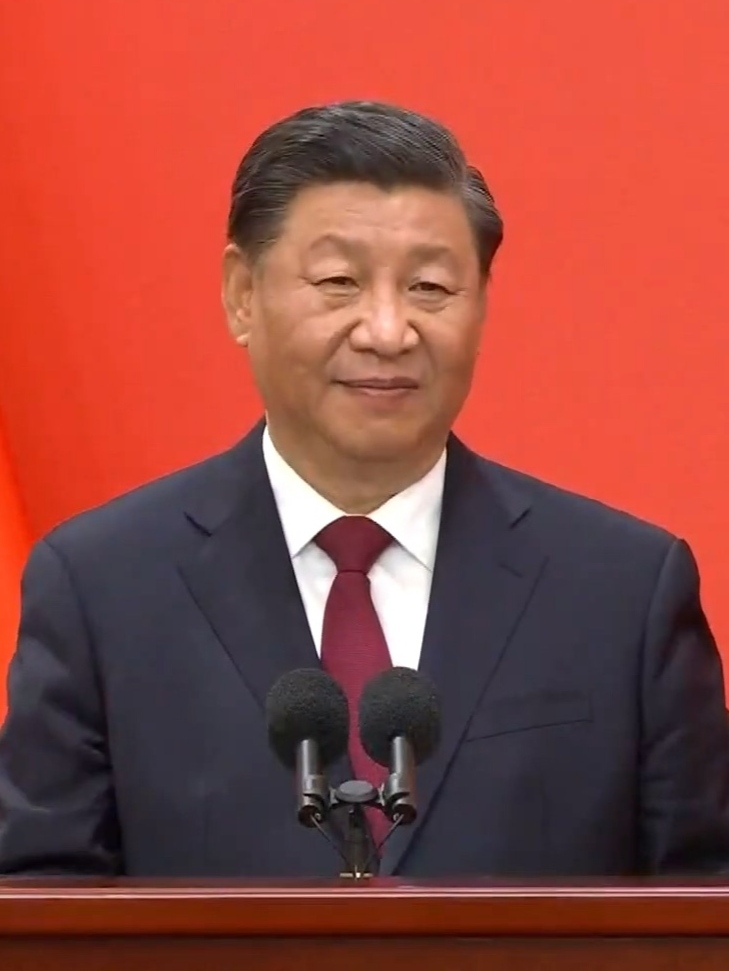
Photo: China News Service / CC BY 4.0 · via Wikimedia Commons
Xi's Party Elite Gathers Ahead of Plenum, With Purges and Promotions in Mind
Plenum Opens Next Week With a Depleted Military Commission
The Fifth Plenary Session of the 20th Central Committee of the Communist Party of China is scheduled for October 26–29 in Beijing, with its agenda centered on "comprehensive and strict governance of the Party" and personnel matters. According to Storm Media's "Beijing Watch" column, of the seven men named to the Central Military Commission at the 20th Party Congress in 2022, five have now been expelled from both the Party and the military — former Defense Minister Li Shangfu, He Weidong, Miao Hua, Zhang Youxia, and Liu Zhenli — leaving only Xi Jinping, who chairs the body, and Vice Chairman Zhang Shengmin. Storm Media also notes that He Weidong, Zhang Youxia, and Ma Xingrui, the former Xinjiang party secretary expelled in July, all held seats on the 24-member Politburo, making this the heaviest attrition in the Party's top leadership organ since the Cultural Revolution.
Xi's "New Long March" Sets the Tone Days Before
On the official line, Xi addressed a gathering at the Great Hall of the People in Beijing on October 22 marking the 90th anniversary of the victory of the Red Army's Long March, calling for "new achievements on the new Long March" and leading participants in a moment of silence for fallen revolutionary heroes. Xinhua reported that around 3,000 people attended the gathering, and that the Red Army marched through more than 10 provinces from October 1934 to October 1936, with some soldiers covering as much as 12,500 kilometers. Xi said "only by remembering history can we create a brighter future," linking the Red Army's historic endurance with today's geopolitical struggles and calling the Long March spirit "a precious treasure and a powerful driving force." The South China Morning Post noted the speech came days before the plenum, with Xi stressing that "a strong and united party leadership is vital to victory."
Purges and Promotions Run in Parallel
Why the flurry now? Storm Media cites an Asia Society Policy Institute analysis arguing the plenum will lay groundwork for the 21st Party Congress in 2027, with priorities including strict governance, party-building, cadre evaluation, and policy enforcement. A Reuters analysis argues that purging senior commanders may have dented the PLA's war-fighting readiness while strengthening Xi's grip on an institution that is a key source of power for the ruling Party; Singapore-based scholar James Char said Xi's hand was further strengthened by the "defenestration" of proteges of Zhang and Miao Hua, and that he did not expect the commission's top panel to be filled until the full Party Congress in late 2027. NTD reported that the Party's theoretical journal Qiushi published on October 16 a speech Xi delivered on January 12, in which he declared the anti-corruption fight "cannot stop for a moment or retreat by half a step," a move analysts read as signaling significant personnel changes at the plenum.
Empty Chairs Reach From the Center to the Provinces
Who is affected? Storm Media puts the number of Central Committee members removed, expelled, or stripped of their National People's Congress seats over the past year at roughly 19, with military officers making up more than half; add officials who disappeared from public view or left posts under murky circumstances, and the plenum could plausibly work through close to 30 cases in a single sitting. AsiaNews describes "strict governance of the Party" as a core element of Xi's strategy since 2014, encompassing ideological training, control over career advancement, and severe sanctions, with the line between tackling abuses of power and purging those deemed disloyal to the general secretary "very blurred." The Epoch Times, citing analysts, reported that Xi may have to promote officials with whom he has fewer established personal ties, and that younger officials shaped by the reform era beginning in the late 1970s may hold different political outlooks from Xi's generation.
Personnel Plans and Commission Fill-Ups Are the Next Watchpoint
What comes next? The plenum is expected to review the Politburo's report on strict Party governance and may confirm personnel arrangements, including whether Zhang Shuguang, promoted to general in July and appointed secretary of the Military Commission's Discipline Inspection Commission, enters the commission, and whether Zhang Shengmin joins the Politburo. Storm Media flags these as critical indicators for assessing Xi's military and administrative personnel strategy ahead of the 2027 Congress. Reuters expects the commission's top panel to remain unfilled until then. Rediff Money, citing South China Morning Post calculations, reported that 35 of the 205 full Central Committee members have either been placed under investigation or stripped of their legislative seats, many cited for disloyalty. Whether the plenum can balance personnel overhaul with military readiness will be the key window into Xi's power structure.
Sources
- South China Morning Post: Ahead of Communist Party plenum, Xi Jinping warns that China faces a ‘new Long March’
- Reuters: China's Purges of Top Military Commanders Spur Questions About War-Waging Ability
- Storm Media: Beijing Watch | China's Fifth Plenum Becomes A Military Purge Tribunal As Seven In Ten Generals Are Ousted
- AsiaNews: The Central Committee’s empty chairs in Xi’s "strict" party
- NTD: Xi’s Anti-Corruption Warning Fuels Questions Over His Grip on China’s Military