Five Everyday Drugs That Can Quietly Wreck Your Sleep
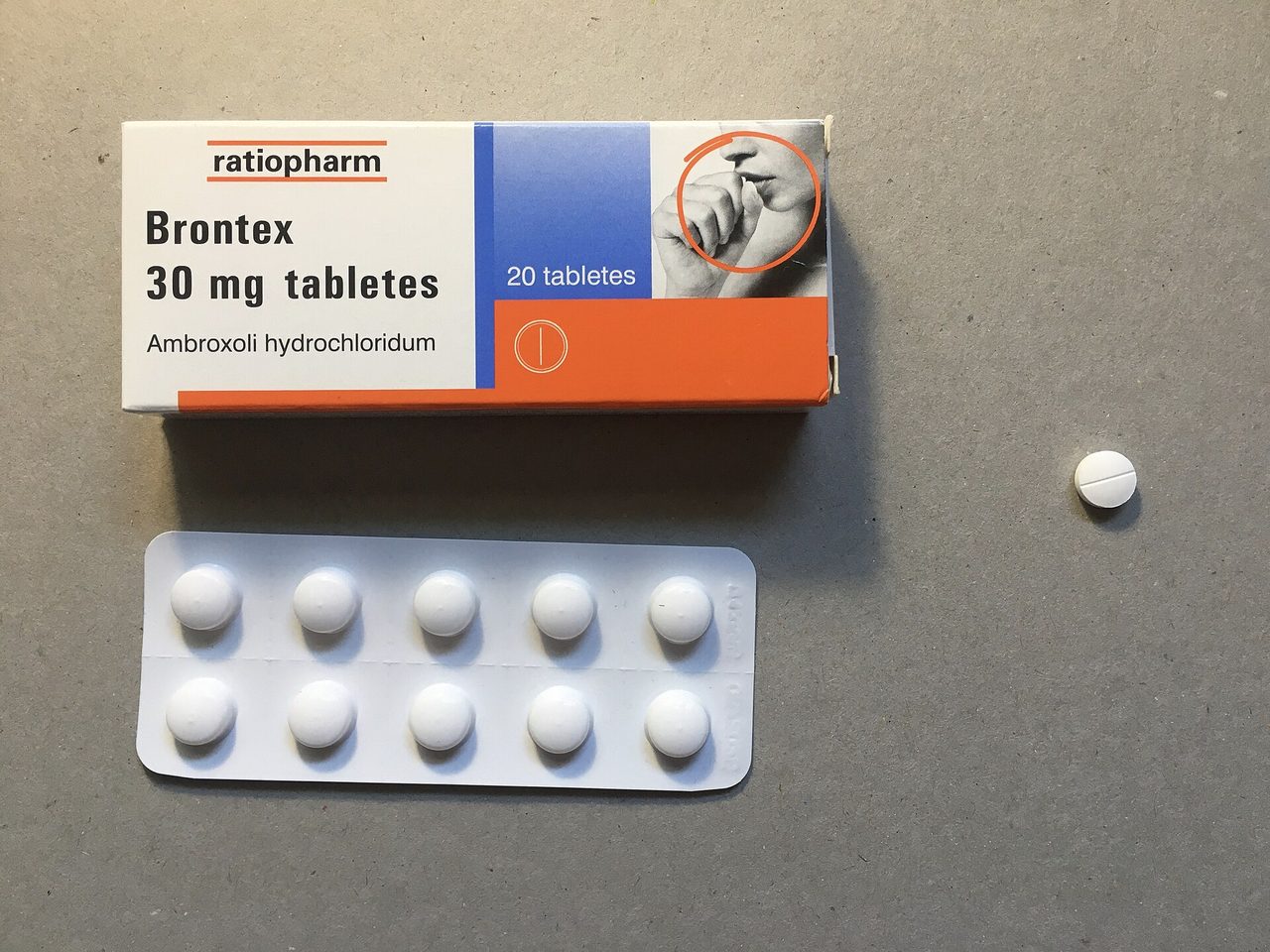
Photo: Gustamons / CC BY-SA 4.0 · via Wikimedia Commons
Five Everyday Drugs That Can Quietly Wreck Your Sleep
The medicine cabinet may be the culprit
Doctors who treat chronic insomnia say the first move is not to buy a sleep aid but to review the drugs already being taken. Medicines for the heart, blood pressure, mood and allergies can all interfere directly with the brain's sleep machinery, and medication-related insomnia has a recognizable signature: it shows up within days to weeks of starting a drug or changing a dose, and patients rarely connect their waking hours to the pill bottle.
Antidepressants flatten REM sleep
Selective serotonin reuptake inhibitors are the most commonly prescribed antidepressants, with drugs such as Prozac and Zoloft joined by serotonin-norepinephrine reuptake inhibitors such as Cymbalta and Effexor. These drugs can produce either insomnia or excessive daytime sleepiness. Pharmacological references describe SSRIs as the most potent REM suppressors, cutting REM sleep by 30 to 70 percent while lengthening the time it takes to reach the first REM episode.
Stimulants push fatigue to the wrong hour
Prescription stimulants for ADHD, including Adderall, Vyvanse, Ritalin and Concerta, raise dopamine and norepinephrine levels in the brain and alter sleep patterns. Julie Dopheide, a professor of clinical pharmacy at USC, notes these drugs promote alertness so effectively that clinicians sometimes prescribe them to treat narcolepsy. Take them earlier in the day, allowing the alerting effects to wear off before bedtime.
Pseudoephedrine makes the heart race
Over-the-counter decongestants containing pseudoephedrine, including Sudafed, Advil Cold & Sinus, Zyrtec-D and Claritin-D, work by stimulating the release of norepinephrine to constrict blood vessels in the nasal passages. Dopheide explained that this mechanism can mimic adrenaline, elevate blood pressure temporarily and cause a racing heart that interferes with sleep. C. Michael White, a professor of pharmacy at the UConn School of Pharmacy, suggested switching to products without pseudoephedrine or using nasal sprays, which are less likely to disturb sleep.
Antihistamines sedate, and can loosen the airway
First-generation antihistamines such as diphenhydramine and doxylamine are among the most common causes of medication-related drowsiness, and the American Geriatrics Society Beers Criteria flags the class as potentially inappropriate for people over 65. Because the sedating effect relaxes muscles in the upper airway, these drugs are particularly risky for people with obstructive sleep apnea. For melatonin, one expert advises starting at 3 to 5 milligrams for most adults, noting that if you are requiring more than 10 mg it is probably not effective, and more than 20 mg brings significant hangover-type side effects.
Beta-blockers dial down melatonin
Beta-blockers, used for chest pain, arrhythmias and high blood pressure, inhibit the pineal gland's secretion of melatonin, and patients commonly report frequent nocturnal awakenings and vivid nightmares. These lipophilic drugs cross the blood-brain barrier; the REM reduction is modest, around 15 to 25 percent, but the fragmentation and vivid dreams are clinically significant, and for some drugs the REM reduction exceeds 50 percent.
Steroids disturb the body clock
Corticosteroids prescribed for inflammation, asthma and autoimmune conditions can mimic natural cortisol rhythms when taken in the morning but cause wakefulness if used in the evening or at high doses. Insomnia frequently surfaces during active treatment days, and the usual management approach is morning dosing combined with a review of the taper.
Who is most at risk
Multi-morbidity in older adults is the main risk zone. According to Cleveland Clinic data cited by the National Council on Aging, as many as one in three people aged 65 or over take some form of prescription or over-the-counter sleep aid. Antidepressant use is comparably massive: one reference puts American users above 40 million, with average duration of use now past five years, even though the drugs were approved on the basis of 8-12 week studies.
Never stop a drug on your own
A clinical pharmacologist told a prescription-safety panel that patients are often unaware a medication taken to support heart function or mental health can directly interfere with the brain's sleep machinery, and that with sudden insomnia, evaluating the current drug regimen is always the primary diagnostic step. But experts warn against abrupt discontinuation: Judith Beizer, PharmD, of St. John's University, notes the body can go through withdrawal, which can cause even more trouble sleeping.
What the guidelines say to use instead
The 2026 guideline for management of chronic insomnia disorder and obstructive sleep apnea recommends selecting one of daridorexant, doxepin, eszopiclone, lemborexant, suvorexant, zaleplon or zolpidem when pharmacotherapy is offered, while advising against antipsychotics, benzodiazepines, diphenhydramine, trazodone, kava, cannabis and its derivatives, chamomile, melatonin, passionflower, saffron and valerian for chronic insomnia disorder.
Keep a sleep diary and start there
Experts recommend keeping a sleep diary — when you got into bed, when you woke, how many awakenings you remember, and how much caffeine and alcohol you consumed — and sharing it with a primary care doctor or sleep specialist before reaching for a supplement or medication. Behavioral and lifestyle strategies remain the first-line approach for chronic insomnia, with cognitive behavioral therapy for insomnia offering durable benefit without the costs that come with long-term drug use.
Sources
- Archynewsy: Experts: Common Medications That Can Disrupt Your Sleep
- Health and Wellness: Prescription Drugs, Over-the-Counter Remedies, and Dietary Supplements Identified as Common Triggers for Chronic Insomnia
- RRASC: Medications That Cause Insomnia: Sleep-Damaging Drugs & Solutions
- Yahoo Health: 7 OTC Medications to Approach With Caution When You Have Obstructive Sleep Apnea
- MedsBase: Medications That Affect REM Sleep: 8 Drugs You May Be