Norovirus Outbreak at Kansas Elementary School Sickens 97; Health Officials Declare It Over
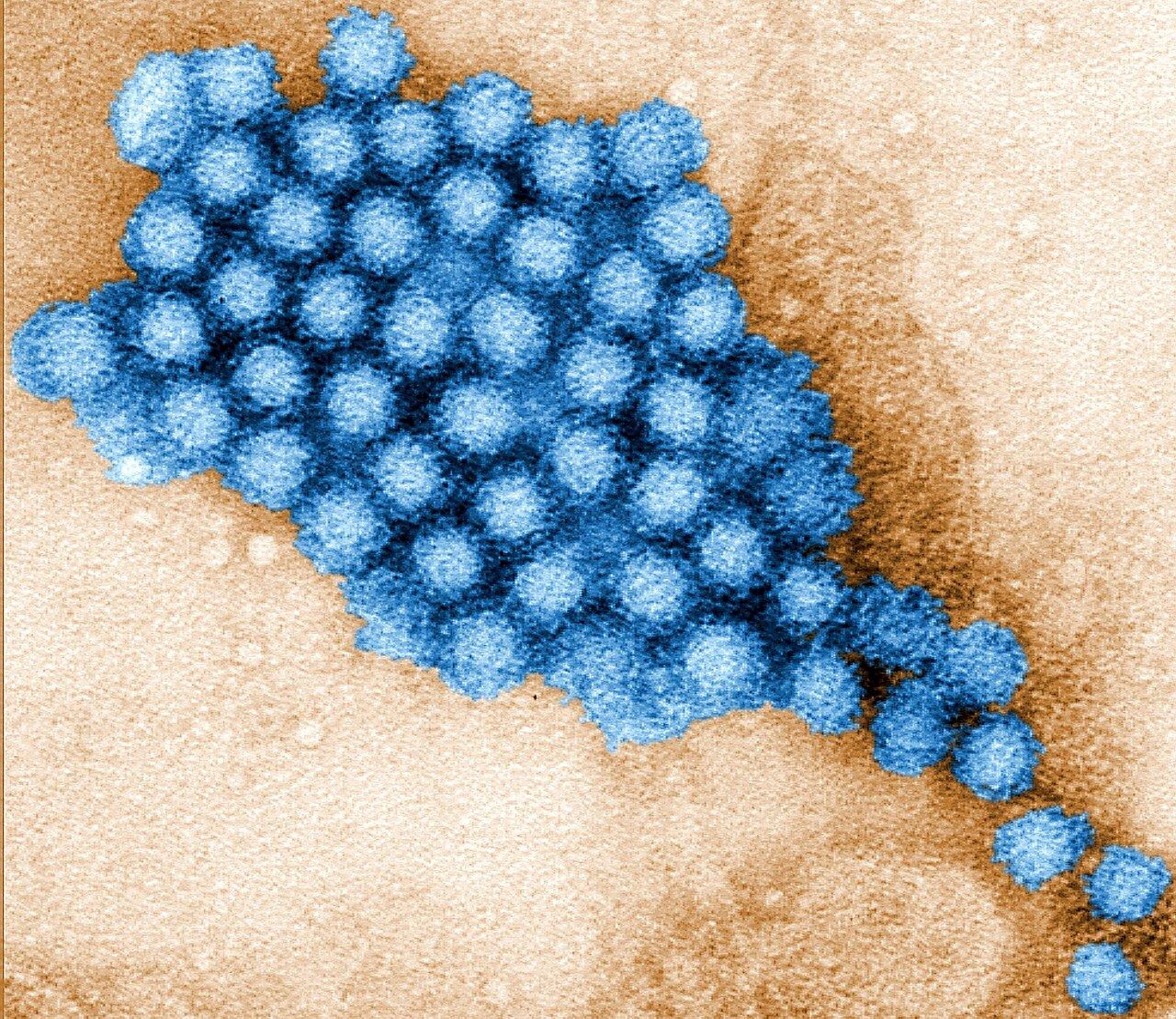
Photo: CC0 (Wikimedia Commons) · via Wikimedia Commons
Norovirus Outbreak at Kansas Elementary School Sickens 97; Health Officials Declare It Over
Norovirus outbreak hits Kansas elementary school
Bentwood Elementary School in Overland Park, Kansas, part of the Olathe School District, experienced a norovirus outbreak that sickened 97 people, the Johnson County Department of Health and Environment (JCDHE) confirmed. Of those, 95 were students and staff inside the school, with two additional cases among family members. All cases occurred over the past week or so.
Officials confirm two lab-tested cases, rest epidemiologically linked
JCDHE Director Charlie Hunt told KCTV that the total case count had grown to 97 — 95 inside the school among students and staff, plus two more among family members. Hunt cautioned that the 97 cases are likely an undercount given norovirus's contagiousness. JCDHE confirmed that only two cases were verified through laboratory testing; the remaining illnesses were classified as epidemiologically linked, meaning people experienced similar symptoms at the same time in the same setting. Hunt said the first case was reported on October 5, and just seven days later the school reported enough similar illnesses to prompt county officials to be contacted.
Timeline: from absences to official confirmation
The Olathe School District said Bentwood Elementary first saw absences involving similar symptoms on Thursday, October 8. There were no students at the school on Friday, October 9, due to a professional development day, and the district's operations team conducted a deep cleaning of the building over that weekend. From October 8 to 14, 82 individuals experienced similar symptoms. By October 12, the number of similar illnesses was enough to trigger coordination with JCDHE. A notification letter was sent to Bentwood families on Monday, October 19, stating that absence rates had "declined significantly" after the weekend deep cleaning.
Health department declares outbreak over
On October 21, JCDHE declared the norovirus outbreak at Bentwood Elementary over, noting that no new cases had been reported since October 13. The health department said it worked closely with school officials during the outbreak to "prevent further spread of illness" and will continue to monitor the situation and provide public health guidance as needed.
Prevention: handwashing, disinfection, staying home
Ashley Follett, public information officer for JCDHE, told The Independent that norovirus spreads easily in school settings where students and staff are in close contact. She urged frequent handwashing with soap and water, thorough cleaning and disinfection of contaminated surfaces, and staying home when sick, with individuals remaining home for at least 48 hours after symptoms stop. Dr. Dana Hawkinson, infectious disease physician and medical director of infection prevention and control at the University of Kansas Health System, said norovirus is a gastrointestinal virus whose main symptoms are nausea, vomiting, and sustained diarrhea lasting several days. She noted there is no treatment for norovirus and the illness typically runs its course in two to three days, with high-risk groups — the elderly, the very young, and the immunocompromised — needing to watch for dehydration.
What is norovirus
Norovirus is a highly contagious virus that causes inflammation of the stomach or intestines, with symptoms including diarrhea, nausea, and vomiting. According to the CDC, a person usually develops symptoms 12 to 48 hours after exposure, and most people get better within one to three days, though they can continue to spread the virus for a few days after recovery. The infectious dose is fewer than 100 viral particles. The virus spreads via the fecal-oral route through hand-to-mouth contact or contaminated food and water. The school is cleaned and disinfected daily with hospital-grade products effective against norovirus, with extra attention to high-touch surfaces; additional sanitation was performed over the weekends of October 10-11 and October 17-18. No source of the outbreak has been identified — in school outbreaks one rarely is, because norovirus moves through hands, surfaces, and shared food, and one sick child can seed an entire classroom.
Sources
- KCTV: 95 cases of Norovirus confirmed at metro area elementary school
- The Independent: Nearly 100 kids, staff at Kansas elementary school come down with norovirus in outbreak
- Total News: 95 Norovirus cases reported at local elementary school
- KSHB: JCDHE reports norovirus outbreak at Bentwood Elementary is over
- Food Poison Journal: Norovirus Outbreak at Bentwood Elementary in Overland Park, Kansas: About 85 Sick in a Week, Two Lab-Confirmed. What Parents Should Do Now.