Alzheimer's Researchers Look at an Unusual Data Point: Head Shape
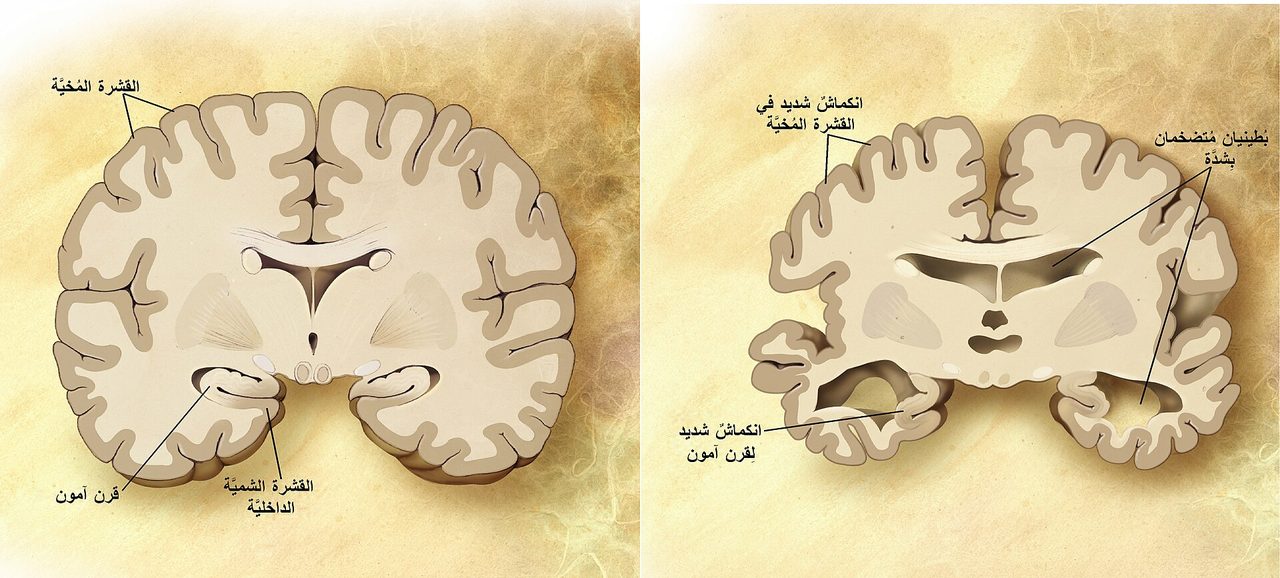
Photo: Original: Garrondo (talk)Derivative: باسم / Public domain · via Wikimedia Commons
Alzheimer's Researchers Look at an Unusual Data Point: Head Shape
Could the geometry of our brains increase the risk of Alzheimer's disease? It is a provocative question, but one that some scientists are beginning to explore seriously. A New York Times report published on October 22 highlights that Alzheimer's researchers are now treating "head shape" — more precisely, the geometric morphology of the skull and brain — as a data point that has long been overlooked. This does not mean head shape itself causes disease; rather, it may correlate with brain structure, genetic background, and even evolutionary history, all of which could influence disease risk.
Head Shape Enters the Research Lens
Traditionally, Alzheimer's research has focused on well-known factors: amyloid plaques, tau tangles, and genetic variants such as APOE. But some researchers have noticed that brain geometry — cranial vault shape, cortical folding patterns, parietal lobe size — may show systematic differences between people who develop Alzheimer's and those who do not, differences that were previously treated as noise. Re-examining head shape as a data point means asking whether the brain's physical structure itself carries signals of disease susceptibility.
Structural Changes Predate Plaques by Years
This line of inquiry remains exploratory. Research funded by the National Institutes of Health suggests Alzheimer's may damage the brain in two phases: an early, slow, silent phase followed by a later, broadly destructive one. Other studies indicate brain structural changes can be detected more than seven years before amyloid plaques appear on PET scans. These findings suggest disease onset begins far earlier than clinical symptoms, and brain geometry could one day serve as an auxiliary early-warning indicator. The scientific community remains cautious, stressing that correlation is not causation.
An Expanded Brain Plants Vulnerability
Human brain evolution may hold the key. An Atlantic article from October notes that the human parietal lobes — brain regions that rise toward the crown of the head before sloping down the rear — are conspicuously larger than in nonhuman primates. This expansion is tied to the cognitive leap that defines our species, but it may also create vulnerability. Some evolutionary neurobiologists argue that the distinctive morphology of the human brain may have predisposed us to neurodegenerative conditions like Alzheimer's. In short, the brain architecture that made us smart may also make us susceptible.
Screening May Add Brain Imaging
The immediate impact falls on the Alzheimer's research community and, potentially, future patients. If brain geometry is validated as a risk factor, screening protocols could eventually incorporate cranial or brain imaging, particularly for individuals with family history or genetic predisposition. This will not change current clinical practice. For the public, the research underscores that disease risk is multifactorial, and brain structure may be one contributing element among many.
Longitudinal Data to Test Genetic Links
Researchers need large-scale longitudinal data to validate the link between brain geometry and Alzheimer's onset, and to explore underlying genetic mechanisms. Head-shape genetics research has already used MR scans from more than 6,000 adolescents to test over 10 million genetic variants for association with cranial vault morphology. The next step is to connect such morphological genetics with Alzheimer's cohort data to identify shared genetic pathways. Clinical application remains a long way off.
Sources
- The New York Times: Alzheimer's Researchers Look at an Unusual Data Point: Head Shape
- ScienceDaily: New study reveals the genetics of human head shape
- NewsLocker: Alzheimer's Researchers Look at an Unusual Data Point: Head Shape
- wccpress: Alzheimer's Researchers Look at an Unusual Data Point: Head Shape