France confirms first human case of livestock virus Shamonda in patient who died
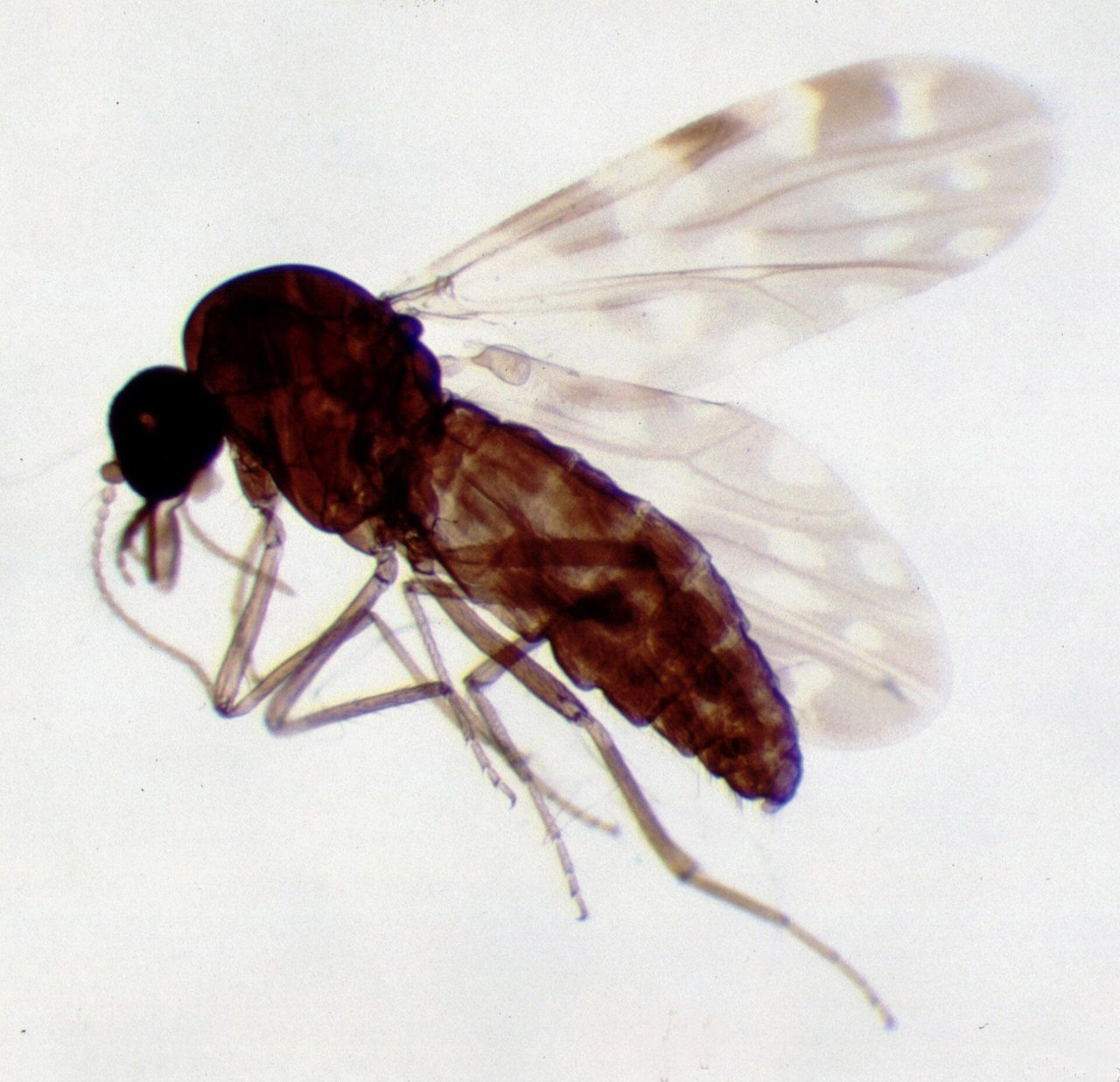
Photo: Acarologiste / CC BY-SA 4.0 · via Wikimedia Commons
France confirms first human case of livestock virus Shamonda in patient who died
A cattle virus crosses into a human for the first time
France's health and agriculture ministries announced on 22 October that Shamonda, an insect-borne virus previously known only in livestock, had been detected in a human for the first time. The patient was severely immunocompromised, hospitalised for a serious illness at the Hospices Civils de Lyon, and died in early October. BBC reports that the virus had previously been regarded as not transmissible to humans.
Two ministries, one reassuring statement
In a joint statement, the health and agriculture ministries said there was "no health risk to the general public identified at this time" and described the infection as "an exceptional case involving a severely immunocompromised patient." Euronews notes that the statement also stressed that although Shamonda has been circulating in Africa and Asia for several decades, no confirmed human case had ever been documented before this one.
Brain complications preceded the death
According to the statement, neurological complications observed in the patient before his death were "very likely linked to infection with the Shamonda virus". The Local reports that the leading hypothesis is that he was infected through the bite of a midge in eastern France, the area where the virus was circulating in animals during the spring and summer of 2026.
A man in his sixties from Ain
DNA, citing Le Progrès, reports that the patient was a man in his sixties living in the Ain department. Franceinfo says the agriculture ministry's bulletin identified the first French cattle farms affected in summer 2026 in the Doubs, Jura, Savoie, Haute-Savoie and Ain.
Animal cases now span fourteen western European countries
The Local, citing an epidemiological bulletin from France's national animal health monitoring institute, says the virus was first detected in Europe at the end of July and has now been found in 14 western European countries. The Irish Times, carrying a Reuters report, lists Austria, Belgium, Ireland, Italy, Liechtenstein, Luxembourg, the Netherlands, Portugal, Slovenia, Spain and the UK's Jersey, in addition to southern Germany, Switzerland and eastern France.
Milk output on affected farms fell by up to 75 per cent
A study of nine French dairy farms found that milk output fell by up to 75 per cent in affected herds, Reuters reports. The Independent says infected cattle show fever, diarrhoea, lethargy and reduced milk production, with sporadic cases also documented in sheep, goats, alpacas and horses.
No commercial vaccine exists yet
There are currently no commercially available vaccines against Shamonda virus, the World Organisation for Animal Health said, as reported by The Irish Times. The same report notes that Shamonda was first identified in Nigeria in the mid-1960s and has since been reported sporadically in cattle in West, East and southern Africa and in Japan.
Who needs to pay closest attention
The official French line points the risk squarely at the severely immunocompromised. For most people an ordinary midge bite carries no meaningful threat, but for patients on chemotherapy, transplants or long-term immunosuppressive drugs, precautions are already stricter. BBC and Euronews both report that the European Centre for Disease Prevention and Control is carefully monitoring the situation.
How the infection happened is still under investigation
Clinical, biological and epidemiological investigations are ongoing to determine the precise circumstances of the infection, the two ministries said. The Hindu describes the human infection as an isolated event, with neither the health nor the agriculture department declaring any public health emergency.
Surveillance is tightening across Europe
The Independent, citing the UK's Animal and Plant Health Agency, notes that Shamonda belongs to the same group of viruses as Schmallenberg and mainly affects cattle. The Local points out that for farming, the immediate cost is falling output and higher biosecurity expenses rather than human life risk — at least on the evidence currently public.
Sources
- The Local: France reports first human Shamonda virus case, says no health risk
- Euronews: France confirms first human case of Shamonda virus, previously found only in animals
- BBC: First human case of Shamonda virus detected in France, officials say
- The Irish Times: France reports first human case of livestock virus Shamonda
- The Independent: What is Shamonda virus? Symptoms and origin after first human case confirmed in France