New York Council Ends Central Park Horse Carriages by 2028
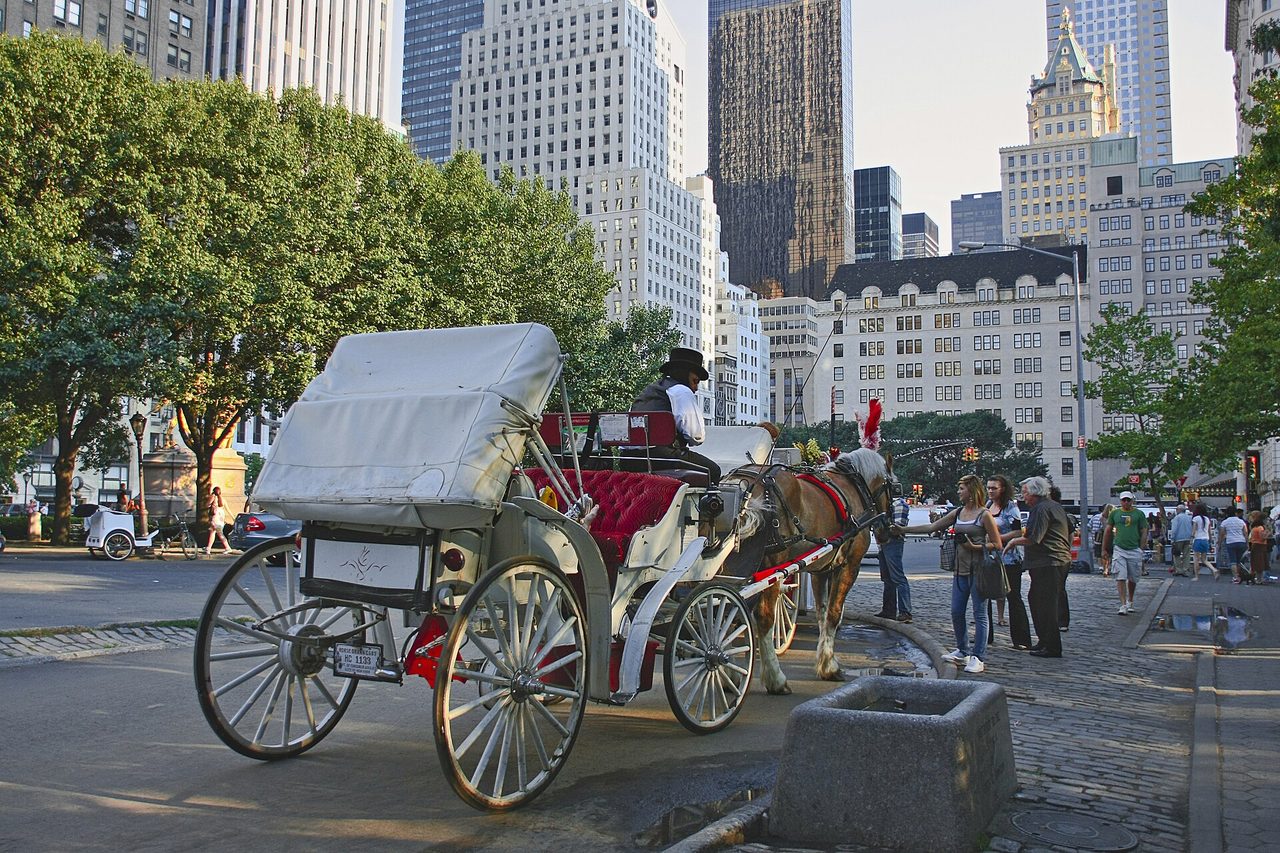
Photo: Tomás Fano / CC BY-SA 2.0 · via Wikimedia Commons
New York Council Ends Central Park Horse Carriages by 2028
A veto-proof vote closes a century-old chapter
The New York City Council voted 40 to 7, with two abstentions, on October 22 to phase out horse-drawn carriages, ending one of the city's most storied tourist traditions. The bill, known as Romanch's Law, freezes the issuance of new carriage licenses immediately and requires all operations to cease by June 1, 2028. Backed by Council Speaker Julie Menin, it passed the 51-member chamber with a veto-proof majority. Mayor Zohran Mamdani, who struck a deal with Menin earlier in October, supports the measure and is expected to sign it.
A teenager's death tipped the balance
The decisive push came in June, when 18-year-old Romanch Mahajan, visiting from India with his family, died after being thrown from a runaway carriage in Central Park. He suffered a severe head injury and died at NewYork-Presbyterian Weill Cornell Medical Center. The Los Angeles Times described it as apparently the first fatality since carriages were introduced in the park. The legislation is named after him. His father, Deepak Mahajan, told a July council hearing that an earlier version of the bill would have halted carriages on June 1: "Romanch died on June 17."
Safety fears and years of pressure converged
Animal welfare groups had campaigned for years to end the trade, arguing horses endure harsh, unnatural conditions and exhaustion on city streets. Menin told amNewYork that 42 million people visit Central Park each year, that horses kept getting spooked and breaking free in a tightly confined area, and that the Central Park Conservancy came out against the carriages last year. Together, she said, safety risks to pedestrians and horses alike left the council no choice but to act.
Retired horses get legal protection
The bill writes humane-disposition rules into law. Owners may keep their animals, but no later than June 1, 2027, each licensed owner must certify to the Department of Health and Mental Hygiene that no horse will be sold or transferred for slaughter, resale for slaughter, or use in another horse-drawn cab business, or for any inhumane purpose. The mayoral administration is directed to work with drivers on humane placement, including accredited sanctuaries.
Drivers face an uncertain future — and sue
About 208 licensed drivers, along with roughly 160 horses and 68 carriages, are affected. The bill orders the city to produce a transition plan for workers by April, covering job placement, training, career counseling and financial compensation. The Transport Workers Union, which represents drivers and owners, calls that a promise without funding or mandate, and says the bill wipes out the value of city-issued licenses and small businesses without just compensation, in violation of the Fifth Amendment. The union sued in federal court and sought a temporary restraining order within moments of the vote. Driver Atakan Aktay recalled that Mamdani once joined a 15-day hunger strike for yellow-taxi medallion owners, asking: where is that same compassion for carriage drivers now?
Signature, courts, and a 2028 deadline
What happens next turns on two tracks: the mayor's signature and the courts. The city's Law Department says it is confident the legislation is grounded in law and will defend it. President Trump lamented the ban on Truth Social, calling the carriage "a quintessential New York experience." Animal rights groups celebrated a historic victory. Unless litigation stops it, the clip-clop of hooves will fall silent in Central Park after June 1, 2028 — and the city must deliver real安置 before then: new livelihoods for drivers and safe retirement for the horses. (安置 = placement; corrected below: new livelihoods for drivers and safe retirement for the horses.)
Sources
- New York City Council: Speaker Julie Menin and the New York City Council Pass Historic Romanch's Law to Phase Out Horse Drawn Carriage Industry
- ABC News: New York City to ban horse-drawn carriages in 2028
- USA Today: New York City approves ban on horse-drawn carriages in Central Park
- New York Post: NYC Council bans horse carriages in veto-proof vote that will end 150-year-old Central Park tradition
- Los Angeles Times: New York to ban Central Park's horse-drawn carriages after teen's death