Fact-Checking the Muslim Brotherhood Claims in Michigan's Senate Race
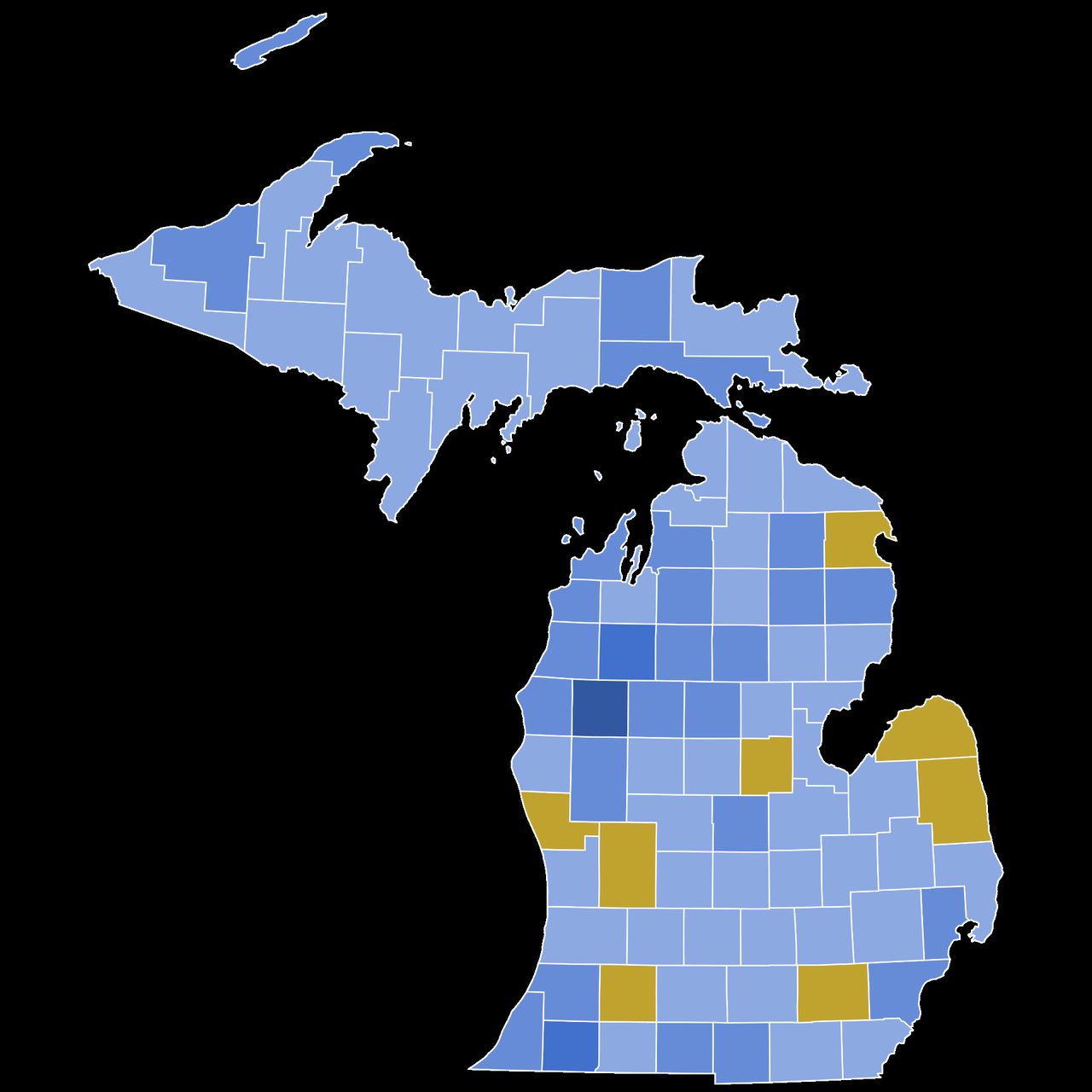
Photo: Gelid Lagopus / CC0 · via Wikimedia Commons
Fact-Checking the Muslim Brotherhood Claims in Michigan's Senate Race
A "Pledge" With No Receipts
The day after Abdul El-Sayed won the Democratic primary for Michigan's open Senate seat on August 4, Republican Mike Rogers issued a statement saying El-Sayed had "pledged his support to the Muslim Brotherhood." Neither Rogers nor his campaign has produced evidence that El-Sayed ever made such a pledge. The seat, being vacated by retiring Senator Gary Peters, is one of the cycle's most consequential contests, and the claim has trailed El-Sayed ever since.
Trump Weighs In, Then the Final Debate Escalates
President Donald Trump sharpened the attacks at a White House Rose Garden lunch, calling El-Sayed "a Muslim Brotherhood guy, 100 percent," dismissing the idea of him serving on the Senate Intelligence Committee, and branding him a "fraud" and a "con man." At the second and final debate on October 21, Rogers went further, accusing El-Sayed of being "bought" by the Muslim Brotherhood and calling him a national security "risk." "If you are going to go to the United States Senate, we need to know, are you for America? Or are you for these terrorist groups overseas?" Rogers said. El-Sayed countered that Rogers was bought and paid for by corporate donors and called the loyalty questioning beneath the office.
"Sure, Yes, Absolutely" — and a Dispute Over Whether It Counted
At a town hall in Caro, Michigan, on Saturday, October 17, a voter shouted, "Abdul, will you disavow the Muslim Brotherhood?" El-Sayed answered, "Sure. Yes, absolutely," then rebuked the premise: "You assume that because I am Muslim, that somehow I would have some allegiance to something that is not our Constitution. For me, that Constitution is the guiding light." The questioner walked out as the crowd cheered. The next day on CNN, Rogers told Dana Bash that El-Sayed "didn't disavow" the group; Bash played the clip back and pushed back. PolitiFact reviewed the video and ruled Rogers' claim wrong: El-Sayed plainly did disavow the organization.
Old Family Posts Become the Opposition's Exhibits
Rogers' camp has also cited 2012 and 2013 social media posts by El-Sayed's half-sister, Eman Abdelhadi, saying the family had "long been" supporters of the Muslim Brotherhood and that relatives had been jailed over it. Related reporting says the siblings' mother, Fatten Elkomy, a nurse in Missouri, was a Brotherhood campus activist in college; that the siblings' mother Fatten Elkomy's name appears 14 times in a May 2010 federal exhibit list in the Islamic relief agency case (involving eight wire transfers and five recorded calls), while their uncle Mohamed Elkomy's name appears dozens of times in the case evidence; and that Elkomy once worked for a group later designated a specially designated global terrorist organization. She was never charged with a crime. El-Sayed told NBC on October 14: "I have never had these conversations with my mother. I wasn't raised by my mother." He had told Meet the Press days earlier, twice answering "No," when asked whether he or his family had ties to the Brotherhood. Bridge Michigan's September review of the claims found no direct evidence for them.
What the Designations Actually Say, and a Race Down to the Wire
The Muslim Brotherhood was founded in Egypt in 1928, and Hamas emerged from the movement; Egypt, Saudi Arabia and the United Arab Emirates have banned it as a terrorist organization. The U.S. Treasury's January 13, 2026 action designated the Brotherhood's Egyptian and Jordanian branches as Specially Designated Global Terrorists, while the State Department designated the Lebanese branch as a Foreign Terrorist Organization — actions aimed at branches, not the movement as a whole. El-Sayed, a physician and former Detroit health director, campaigns on Medicare for All and higher taxes on billionaires; Rogers, a former congressman, narrowly lost his 2024 Senate bid. Polling averages in late October put El-Sayed ahead by roughly two to three points — Marist had it 50 percent to 48 percent, Fox News showed a one-point gap — with both candidates carrying unfavorable ratings near half the electorate. Voters decide on November 3, and a win by El-Sayed would make him the first Muslim U.S. senator in history.
Sources
- The Hill: Republicans target Abdul El-Sayed with Muslim Brotherhood allegations
- New York Post: Rogers accuses El-Sayed of being 'bought' by Muslim Brotherhood in Michigan Senate debate
- CNN: Abdul El-Sayed disavows Muslim Brotherhood and criticizes implications that he has ‘dual loyalty’
- PolitiFact: Mike Rogers said Abdul El-Sayed didn’t disavow the Muslim Brotherhood. Video shows he did
- dnyuz: Examining the Muslim Brotherhood claims in Michigan’s Senate race