Gold Falls to More Than Two-Month Low as Oil-Fueled Inflation Fears Weigh
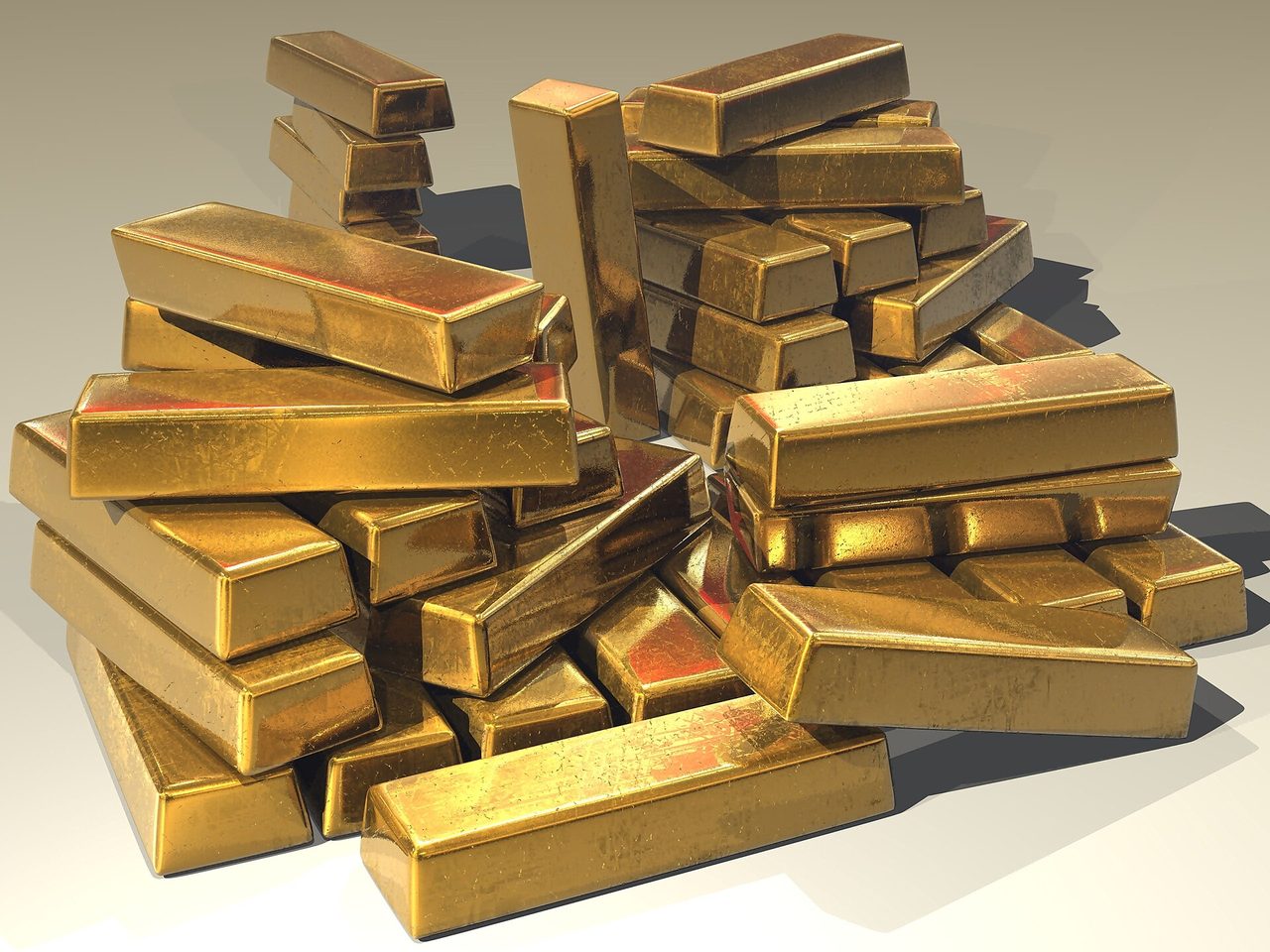
Photo: Stevebidmead / CC0 · via Wikimedia Commons
Gold Falls to More Than Two-Month Low as Oil-Fueled Inflation Fears Weigh
Gold Falls to More Than Two-Month Low as Oil-Fueled Inflation Fears Weigh
Spot Gold Hits More-Than-Two-Month Low Near $4,060
Spot gold slid 1.9% to $4,060.37 an ounce on Thursday, its lowest level since August 4 (Reuters); U.S. gold futures for December delivery fell 1.8% to $4,075.70.
Oil Rally Fans Inflation Worries Across Markets
Oil prices rose about 4% to a five-month high on Thursday after Houthi drone and missile strikes on Saudi oil fields pushed Brent and WTI crude above $111 a barrel. Elevated oil prices are stoking inflation concerns, with energy costs raising transportation, manufacturing and household energy expenses. Markets also continued to expect a possible rate hike in December due to energy-related inflationary pressures.
Rate-Hike Bets Rise, Weighing on Non-Yielding Bullion
Fed funds futures are fully pricing in one more 25-basis-point hike before the year ends, with two more expected by mid-2027. Persistent inflationary pressures driven by high energy prices continue to support expectations of further monetary tightening by the Federal Reserve. Gold, as a non-yielding asset, loses appeal when interest rates rise, since holding it generates no income and the opportunity cost increases.
Equity Sell-Off Triggers Liquidity-Driven Gold Selling
Thursday's sharp equity decline saw the Nasdaq drop 2.60%, its biggest single-day fall since early June, while the S&P 500 fell 1.21%. The tech sell-off prompted traders to sell precious metals to cover losses elsewhere. Global X ETFs analyst Justin Lin said gold may have suffered a "liquidity-driven sell-off," noting that in rapidly falling markets investors often sell gold, given its liquidity, to meet margin calls and capital requirements. Asian markets also fell, with Japan's Nikkei down 2.5% and South Korea's KOSPI down 2.7%.
Fed Meeting Looms as Key Near-Term Catalyst
Investors are awaiting next week's Federal Reserve policy meeting. Analysts say that if the FOMC strikes a hawkish tone or PCE data continues to show uncomfortably high price growth, gold could face further pressure and test the $4,000 level or lower. Conversely, if data or policy signals ease concerns about higher-for-longer rates, combined with persistent Middle East geopolitical risk, gold could stabilize and seek a rebound. Speculators are trying to defend the key $4,000 level.
Long-Term Hedge Case Intact Despite Steep Decline
Gold has lost around a fifth of its value since the U.S.-Iran conflict erupted in late February, driving energy prices higher and fueling inflation concerns. Yet asset managers such as HSBC Asset Management still see gold's long-term case intact, citing persistent debt and inflation worries, growing geopolitical fragmentation and central banks' push to diversify reserves. Gold, they argue, remains a "hard asset," though it is not a universal hedge against equity drawdowns.
Sources
- Reuters: Gold heads for steep weekly loss as oil prices fuel Fed rate concerns
- The Economic Times: Gold heads for sharpest weekly decline in four months on Fed rate outlook
- Economy Middle East: Gold prices fall 0.44 percent to $4,027 as oil fuels Fed rate concerns, UAE 24k at AED482.25
- 黄金交易提醒:中东炮火推高油价,通胀阴云重压贵金属,金价两月新低重挫近3%!
- Coinpedia: Why Gold, Silver and Asian Stocks Are Crashing Today