Trump Floats Warship Stopover Off Cuba at Florida Rally as Rubio Urges Islanders to Contact the CIA
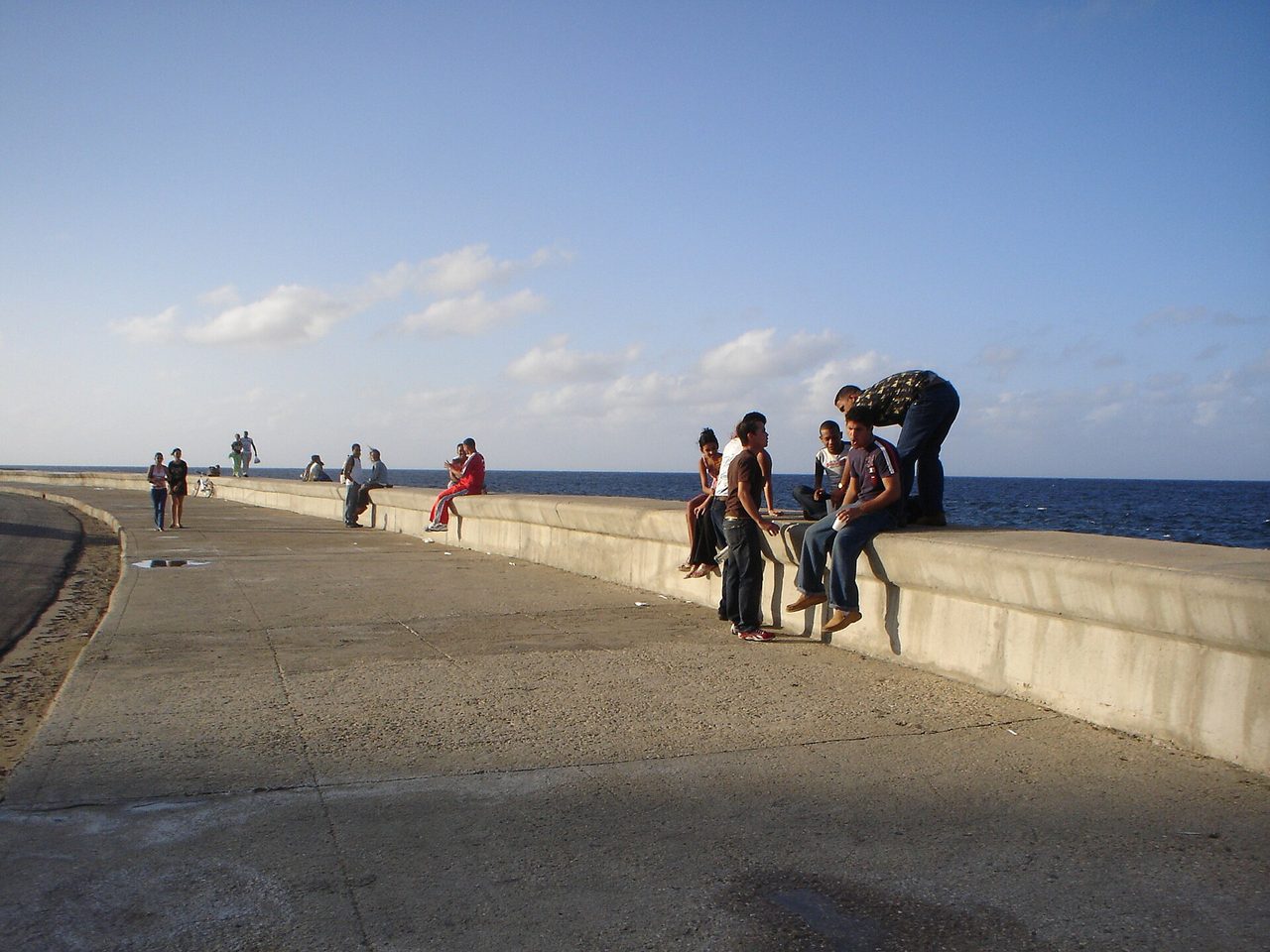
Photo: Maxime Felder / CC BY 2.0 · via Wikimedia Commons
Trump Floats Warship Stopover Off Cuba at Florida Rally as Rubio Urges Islanders to Contact the CIA
A shouted question in Fort Myers revives the Cuba invasion talk
On Friday, October 23, President Donald Trump told a midterm campaign rally at Alico Arena on the campus of Florida Gulf Coast University in Fort Myers that U.S. warships returning from the war in Iran could make "a little stopover" in Cuba. He was answering a shouted question about the island nation from the crowd, reviving an idea he first floated earlier this year but had not mentioned in recent months.
"Fifty yards off the coast" — warships first, Rubio to "finish up"
"We'll do a little stopover," Trump said. "Actually, what we're going to do with Cuba is, we're going to come back from Iran. Those beautiful ships will pass Cuba. We'll have one of them stop about 50 yards off the coast. They'll raise up their hands. And then we're going to send [Secretary of State] Marco Rubio in to finish up the deal." The remarks explicitly linked the return of the fleet from the Middle East to pressure on Havana.
Rubio's post-rally post: "now is the time" for a CIA partnership
Moments after Trump spoke, Rubio posted on social media that "now is the time" for action on Cuba. Addressing his message "to those who seek to create positive change," he urged them "to seize this opportunity to create the change you desire through a discrete partnership with the CIA." The post gave no details on what such cooperation would involve — a strikingly open appeal from a sitting secretary of state for a foreign public to work with U.S. intelligence.
Why now: midterms days away and a Cuban American audience
The rally, part of Trump's "Seven States in Seven Days" turnout tour, came less than two weeks before the November 3 midterm elections, with voters voicing concern about gas and grocery prices driven up by the Iran war. The Florida setting was no accident: the state is home to about 61 percent of all Cubans living in the United States, and Trump won 68 percent of the Cuban American vote in Florida in 2024. On stage with Trump were gubernatorial nominee Byron Donalds and Senator Ashley Moody; the 90-minute speech mixed midterm pitches with the Cuba threat.
The squeeze on Havana: from the Maduro raid to the Castro charges
Trump has steadily tightened pressure on Cuba in his second term. In January, U.S. forces seized Venezuelan President Nicolas Maduro in a raid on Caracas on January 3 — he is now in U.S. custody in Brooklyn awaiting trial on narco-terrorism charges — depriving Havana of its principal patron; 32 Cuban soldiers were killed in that operation. Washington imposed a de facto energy blockade in January, threatening sanctions on any country supplying fuel to the island, and penalized nine Cuban state firms in September. In May the administration announced federal criminal charges against former Cuban leader Raul Castro, 95, and Florida prosecutors followed this month with a state murder arrest warrant over the 1996 downing of two civilian aircraft linked to the Brothers to the Rescue group. In September Trump called Cuba a "failed state" at the U.N. General Assembly and declared that "freedom will be coming to Cuba," prompting the Cuban delegation to walk out.
Ordinary Cubans bear the brunt as voters and oil watch
The first to feel the pressure are Cuba's 9.4 million people, already coping with blackouts and shortages under the fuel squeeze. Next are Cuban Americans in Florida, a decisive voting bloc being courted with hard-line promises days before the vote. Beyond that, any hint of a new Caribbean front lands on an electorate already anxious about an oil price spike tied to the Iran war — a vulnerability for Republicans heading into November 3.
Warships, an envoy trip, or a deal ahead
Days later, Trump softened his tone, saying the two countries "will make a deal" and adding, "I don't think we'll need the military. Cuba is failing very badly." Three things to watch: whether any returning warships actually alter course near Cuba; whether Rubio follows his post with concrete Cuba policy; and whether Havana — whose president Miguel Diaz-Canel called the Castro indictment baseless and meant to justify military action — engages or digs in. Expect the Cuba card to be played again before Election Day.
Sources
- Associated Press: Trump at Florida rally revives idea of military intervention in Cuba after Iran
- PBS: WATCH: Trump at GOP rally in Florida revives idea of military intervention in Cuba after Iran
- The Guardian: Rubio tells Cubans ‘now is the time’ to act to see political change
- CBS News: Trump visits Fort Myers to rally support for Byron Donalds in Florida ahead of midterm elections
- FloridaPolitics: Donald Trump talks Cuba’s future, Gulf of America in rally to boost Byron Donalds, Ashley Moody