EGL Tours Bets on Deep Japan With a Dedicated Travel Lab
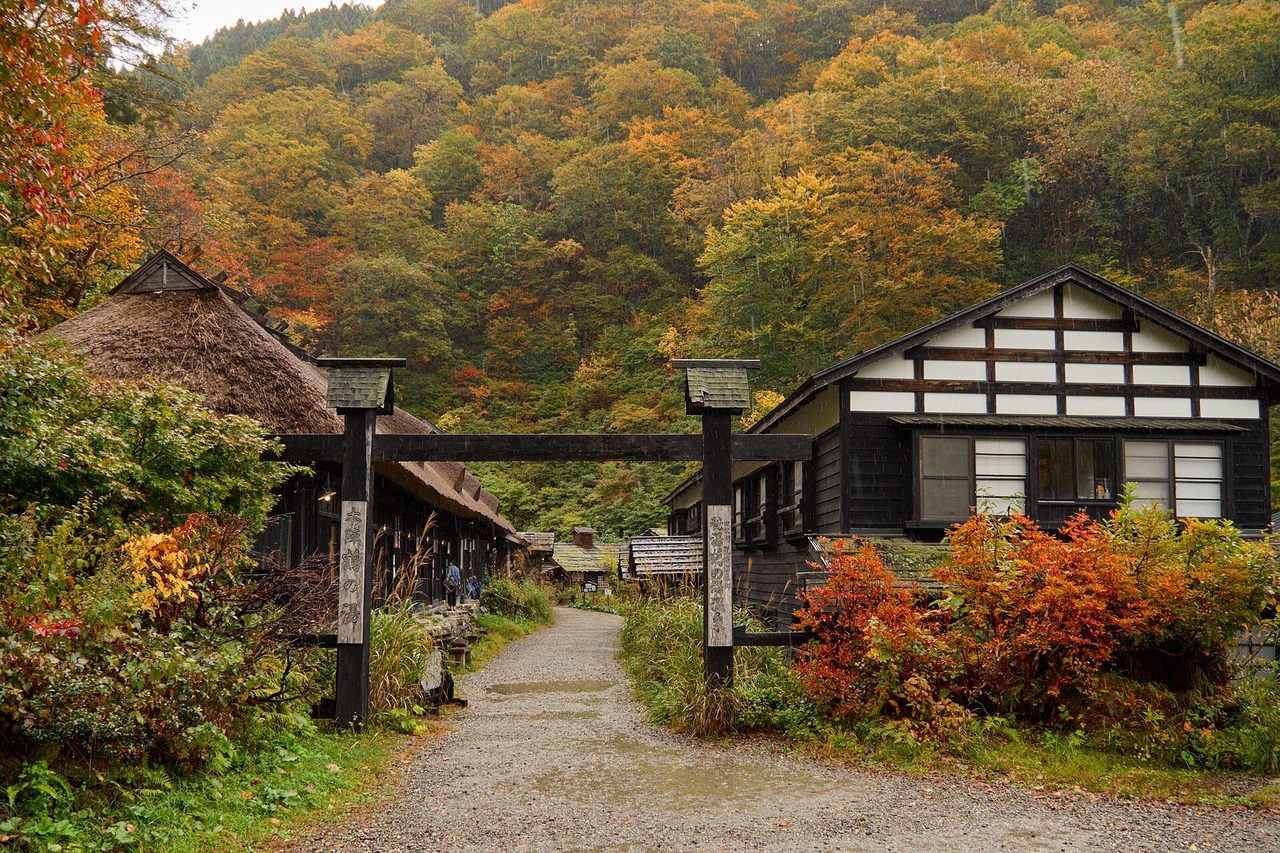
Photo: lumoplank / CC0 · via Wikimedia Commons
EGL Tours Bets on Deep Japan With a Dedicated Travel Lab
A new team tasked with pushing past Tokyo and Osaka
EGL Tours, a Hong Kong-based travel agency, has launched the EGL Japan Travel Lab, an in-house unit charged with expanding its group-tour range for Hong Kong travelers. The announcement was dated Oct. 23, 2026. Its brief is to move itineraries beyond Tokyo and Osaka into lesser-known regions, hot-spring destinations and local food culture.
The official pitch: three product pillars
According to the company, the Lab is staffed by its own Japan specialists and built around three content pillars. The first is hidden and lesser-known destinations outside the usual first-visit circuit. The second is high-quality onsen experiences. The third is authentic local cuisine, extending the company's existing food-focused programming, the EGL Gastro Tour. EGL describes the effort as ongoing research and development rather than a single seasonal release, with itineraries refined as destination intelligence accumulates.
Why now: Japan tours are driving the recovery
The timing follows a visible rebound in Japan-bound travel. Coverage of the company's 2026 interim results by Investatis put revenue at about HK$721.339 million, up 4.3 percent year on year, with gross profit up 23.5 percent and profit attributable to owners at about HK$29.388 million, up 407.8 percent, while the segment margin rose from 10.2 percent to 15.5 percent. Management attributed the improvement chiefly to a strong recovery in Japan-bound tours after last year's earthquake rumors were disproved, with a weak yen supporting demand, and package tours as the main growth engine.
A Japan-first company with a large network
Company background underlines why Japan is the natural bet. An AWS customer case study notes that EGL Tours was founded in 1987 by hosting Hong Kong tour groups in Japan, later expanding worldwide to packages covering some 250 cities across some 60 countries, serving customers in Hong Kong and Macao with group tours, independent-travel products, cruises, study tours and wedding tours through an online booking platform and physical branches.
The food-tour precedent points to Jeju
The cuisine pillar has a working precedent. Reporting by mk.co.kr described a Jeju gourmet product jointly planned with EGL and its gourmet brand, built around Jeju ingredients, neighborhood restaurants and natural sights. Visitor figures cited there put Hong Kong arrivals in Jeju at 44,193 through the end of August, up 34.4 percent from 32,892 a year earlier. Applying that playbook to Japan's regional cities would be a natural extension.
Who gains: repeat visitors and regional Japan
If delivered, the winners would be Hong Kong repeat visitors who have already done the golden route and want Tohoku, San'in and other less-covered areas with clearer hot-spring and dining standards, plus regional Japanese destinations seeking steadier group demand. Specific itinerary names, departure dates, pricing and booking details have not yet been published, so travelers will need to compare once packages go live on the company's Japan tour pages alongside signature China offerings such as Yangtze River Three Gorges cruises.
What to watch: first bookable departures
The test is execution: when the first Lab-developed departures open for booking, how the three pillars show up in day-by-day routing, ryokan nights and meals, and whether peak-season capacity follows. The company's online platform and branch network give it distribution; the Lab's destination research has to supply the differentiation.
Sources
- USA Today: Hong Kong’s Leading Travel Agency EGL Tours Grows Its Hong Kong Japan Tours With New Travel Lab
- openpr: Hong Kong's Leading Travel Agency EGL Tours Grows Its Hong Kong Japan Tours With New Travel Lab
- Investatis: Investatis — 06882.HK EGL Holdings Company Limited — 2026 Interim: Japan Tours Drive Earnings Recovery
- AWS: EGL Tours improves website responsiveness by 98% using AWS | EGL Tours Case Study | AWS
- South China Morning Post: Hong Kong tours avoid France protest areas as schools cancel planned trips