Older Mothers Cushion a Steep Fall as US Fertility Hits Another Record Low
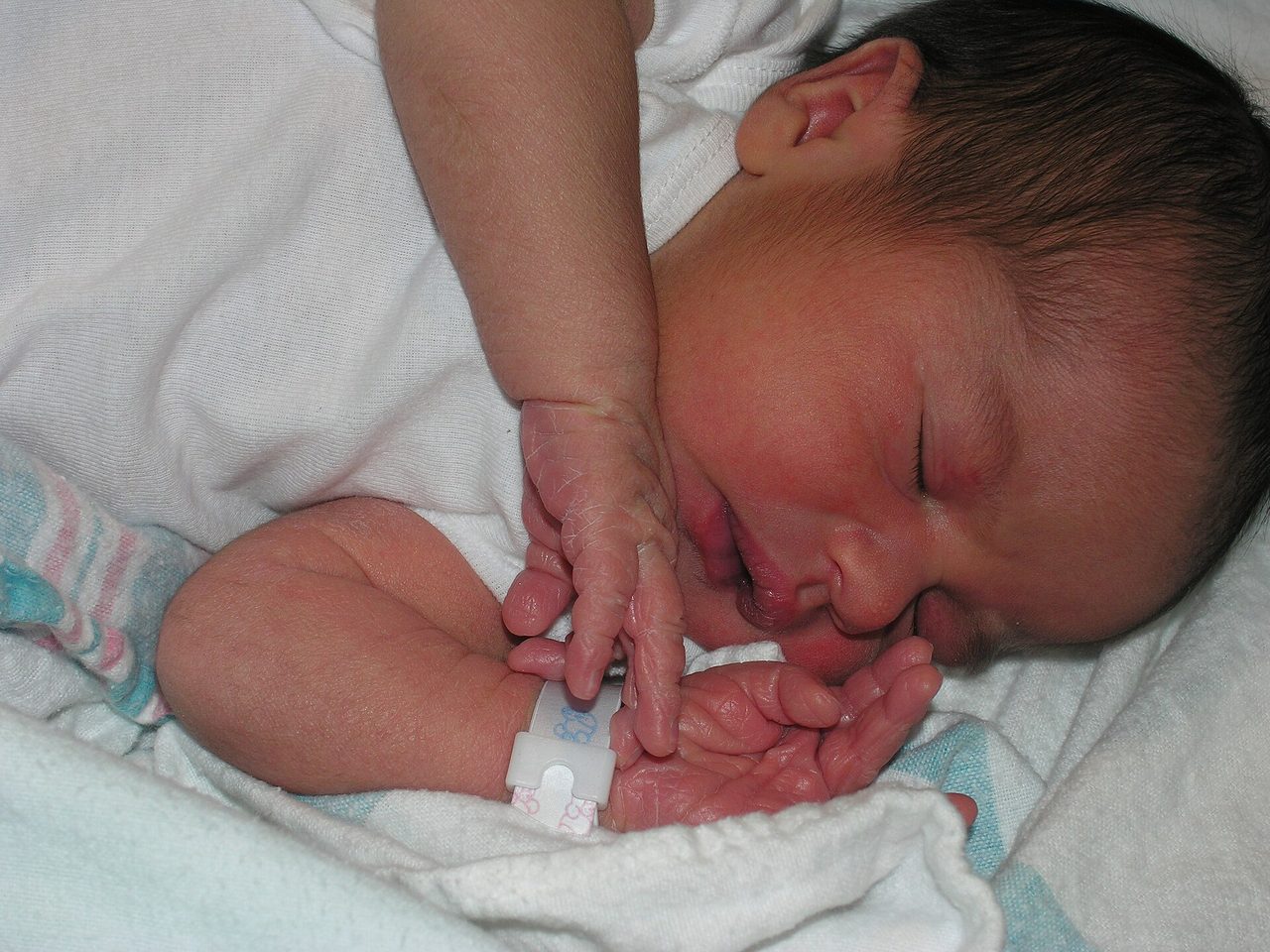
Photo: Bonnie U. Gruenberg / CC BY-SA 3.0 · via Wikimedia Commons
Older Mothers Cushion a Steep Fall as US Fertility Hits Another Record Low
Final CDC Count Puts 2025 Births at 3.61 Million
Final birth data from the Centers for Disease Control and Prevention show 3,612,012 births registered in the United States in 2025, down from 3,628,934 in 2024, a decline of less than 1 percent. The general fertility rate fell 1 percent, from 53.8 births per 1,000 females ages 15-44 in 2024 to 53.2 in 2025, the lowest level on record. As NPR noted, the figures extend a roughly two-decade slide toward fewer children.
A Split Picture: Record Lows Under 30, Gains Over 30
The CDC's National Center for Health Statistics, in the report "Births in the United States, 2025" by Brady E. Hamilton and Michelle J.K. Osterman, found that age-specific rates fell to record lows for females ages 10-29, rose for women ages 30-44, and were unchanged for women ages 45-49. Without the increase among women in their 30s and early 40s, the overall decline would have been steeper, a point emphasized across coverage from NPR to The Independent.
Teen Births Fall 7%, Early 20s Down 6%
The steepest retreat came from young adults. CDC demographer Brady Hamilton told NPR that the birth rate for women ages 20 to 24 fell 6 percent in a single year, calling it "noteworthy," while women in their late teens saw a 7 percent decline. Outlets including Breitbart and Newser likewise highlighted that every age group up to 29 moved down, making younger Americans the main driver of the new low.
Delayed Childbearing Becomes the New Normal
Women ages 30 to 44 moved the other way, with birth rates rising. NPR and The Independent describe a generation waiting for financial footing, completed education, career stability, and marriage before having children. Motherhood after 30, once the exception, is increasingly the plan, while childbearing in the early 20s keeps receding.
An Older America: Median Age Reaches 39.4
The demographic consequences are already visible. Citing Census Bureau estimates, NPR reported the US median age reached 39.4 in 2025, with more states recording outright population decline. EconoTimes noted that a fuller National Vital Statistics birth report will follow, with no release date announced. Schools, maternity wards, and eventually the labor force will feel the shift first, especially in places without migration inflows to offset it.
Whether the Baby Bust Lasts Another Twenty Years
The final 2025 data close the book on last year but open a harder question: whether delayed births will ever fully make up for births forgone in the 20s. Analysts quoted across the coverage point to housing costs, childcare, and job insecurity as the constraints to watch. Until those ease, the pattern of later and fewer births looks set to persist, and the record set in 2025 may not stand for long.
Sources
- NPR: U.S. birth rate drops to record low, but older women are having more babies
- Centers for Disease Control and Prevention: Births in the United States, 2025
- The Independent: The US fertility rate has hit another record low despite MAGA's calls for a ‘baby boom’
- Breitbart: CDC: U.S. Fertility Rate Hit New ‘Record Low’ in 2025
- Newser: US Fertility Rate Hits a New Record Low: CDC