White House Spouse Panel Wants Toll Relief for Troops Driving to Base
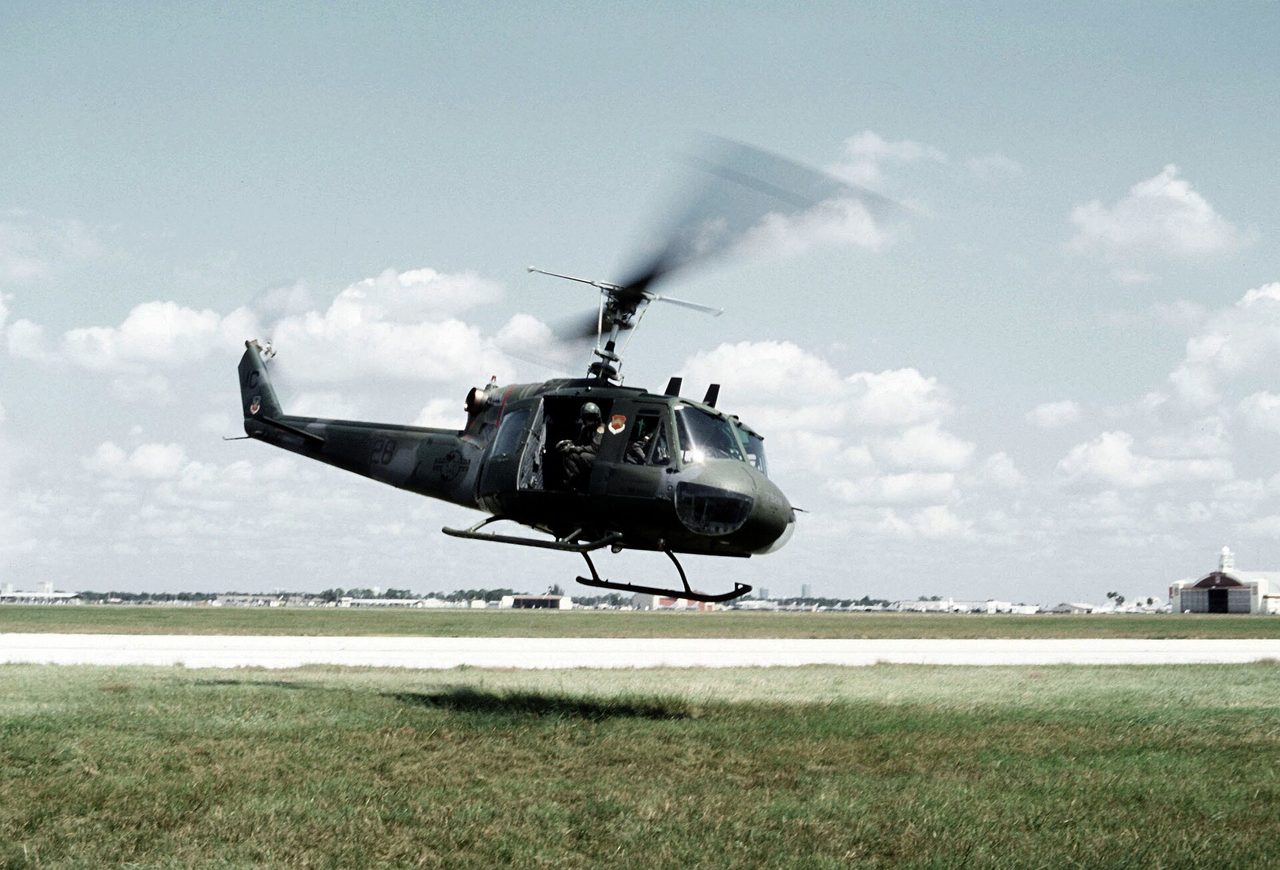
Photo: SSgt. Phil Schmitten, USAF / Public domain · via Wikimedia Commons
White House Spouse Panel Wants Toll Relief for Troops Driving to Base
A 50 Percent Cut at MacDill, With Zero as the Goal
A White House-appointed commission of military spouses has floated cutting or eliminating the tolls that service members pay commuting to work, and it wants to sell the idea state by state. The pilot is MacDill Air Force Base in Tampa, Florida, where commission officials say troops received a 50 percent reduction in toll fees, worth $1,500 a year for service members who take that route onto base. Chairwoman Jennifer Hegseth said the panel is working with the local toll company to try to get that figure to zero, and she called MacDill the template to copy elsewhere.
Hegseth Leads the Push, Governors Hold the Keys
Jennifer Hegseth, the wife of Defense Secretary Pete Hegseth, chairs the President's Military Spouse Commission, created by executive order in August to advise the president on policies affecting military families. At the commission's October 19 meeting she framed toll relief as a quality-of-life issue and said she wants the MacDill deal to serve as a pilot for other regions. She was candid about the obstacle: toll roads are operated differently in each state, and even within a state, by a mix of private and public operators, so nothing moves without each governor's cooperation.
Signing Up at the Food Court as Commuters Count Savings
The burden is concrete for troops who live off base and drive in daily: tolls come straight out of their own pockets, day after day. At MacDill, enrollment has been deliberately low-friction. Officials from the Tampa Hillsborough Expressway Authority bring staff onto the base, set up in the base exchange food court, and register troops on the spot after a base-wide announcement goes out. One base official described the scene as a line forming across the food court as people signed up for toll relief.
A 22-Seat Panel Built Around Jobs and Child Care
The commission is a 22-seat body drawn from spouses of uniformed and civilian leaders across the Defense Department, Homeland Security, and the Coast Guard, and it ranks as the highest-level federal forum devoted to military spouses. It reports to the president annually. Tolls are only one line of effort: members are also pressing employment and child care. The panel reported a 70 percent year-over-year rise in completed job profiles through SpouseWorks and a 60 percent jump in spouse placements over three weeks in an Air Force and Space Force pilot, against the backdrop of a 20 percent unemployment rate among military spouses. On child care, the chair cited 6,000 newly added seats and a push to extend fee assistance to license-exempt providers such as family, friend, and neighbor care.
No Timetable Yet for a National Rollout
Unlike base-level policy, toll relief cannot be ordered from Washington: each road means a separate operator, a separate contract, and a separate negotiation. No second installation has been named, and the commission has published no timetable or list of target states. Whether the MacDill math, $1,500 a year back in a service member's pocket, is persuasive enough to bring governors and toll companies to the table will determine if this stays a Florida pilot or becomes a national program.
Sources
- al.com: White House council mulls toll cuts for this group of Americans
- Task & Purpose: White House military spouse council floats toll cuts for troops commuting to base
- Military Times: Military spouse commission weighs expanding employment programs across services
- Stars and Stripes: Military spouse commission announces progress on child care changes, but details scarce
- Federal News Network: A new panel takes on military families’ biggest headaches