Florida's Dengue Outbreak Keeps Growing After Emergency Declarations, Topping 425 Local Cases
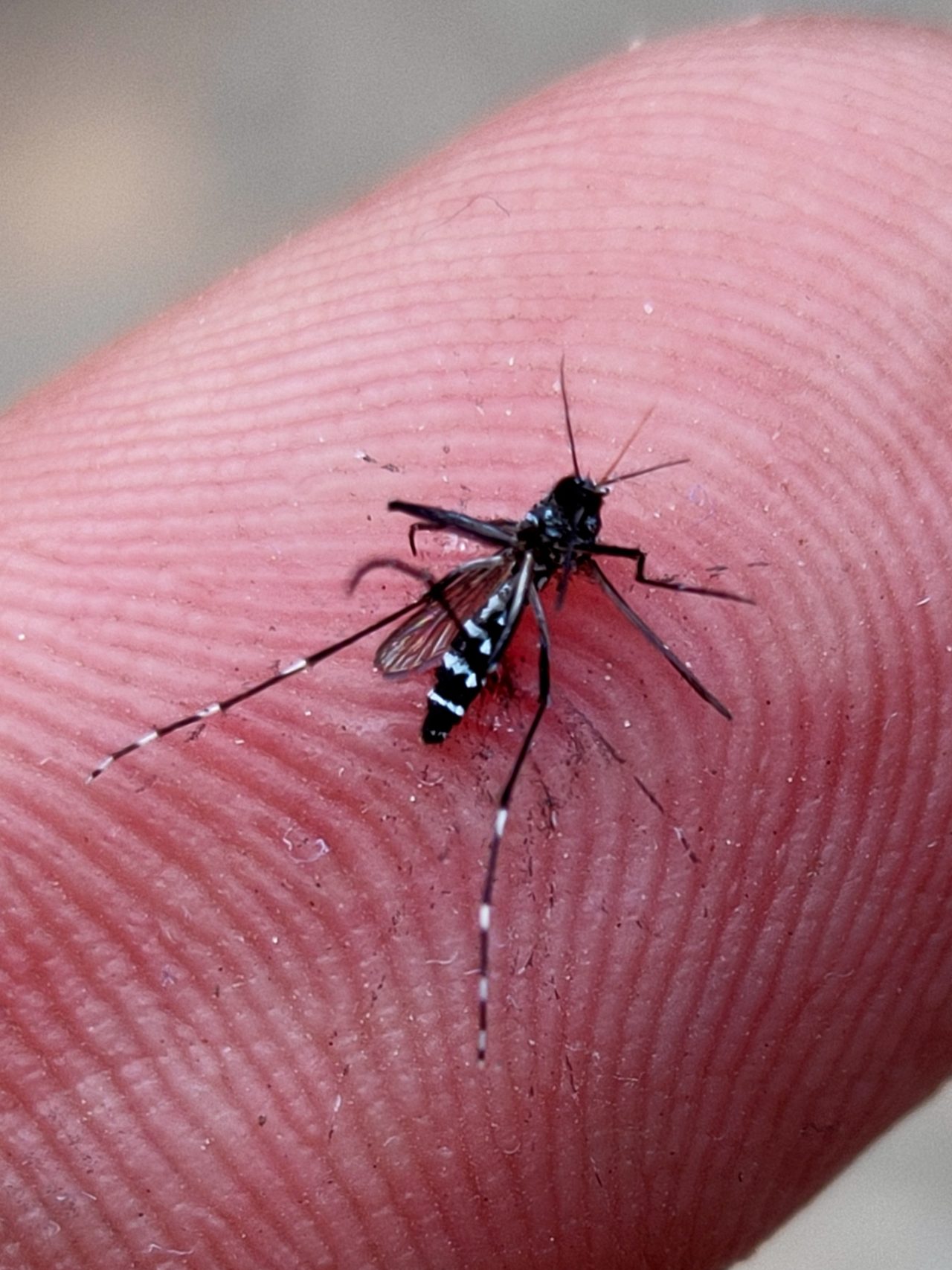
Photo: Apurv013 / CC0 · via Wikimedia Commons
Florida's Dengue Outbreak Keeps Growing After Emergency Declarations, Topping 425 Local Cases
Emergency powers failed to stop the climb
Florida's dengue outbreak has kept expanding weeks after three Tampa Bay counties declared local states of emergency. The state health department's surveillance report for the week ending October 17 put locally acquired cases at 425 statewide, up 57 in a single week, with 346 in Hillsborough County and 51 in Pinellas County. Cases have now been recorded in 11 counties.
Three counties sounded the alarm in September
Hillsborough, Pinellas and Pasco counties declared local states of emergency on September 23 to 24, unlocking faster mosquito-control operations, emergency purchases and possible state or federal aid. Under state law each declaration expires after seven days unless renewed; Hillsborough extended its emergency on October 8.
From 190 to 425 in a month: the worst in decades
The trajectory is steep: 190 locally acquired cases for onset through September 19, 252 through September 26, 296 by October 3, and 368 by October 10, including a single-week jump of 72. One report called the outbreak the most cases in a calendar year for any US state since at least the 1940s, surpassing Florida's previous worst year of just under 200 locally spread cases in 2023. A University of South Florida researcher said Hillsborough had not seen this level of dengue infection since the 1930s.
One death, and nearly every sample is type 2
One death has been confirmed: 80-year-old Gay Small of Tampa, bitten near her Bayshore Boulevard home, whose death certificate listed dengue infection along with septic shock and multi-organ failure. Of 395 cases serotyped, 393 were dengue virus-2. Data from the Centers for Disease Control and Prevention cited in mid-October showed 607 cases statewide, 324 locally acquired and 283 travel-related, across eight counties with local transmission. Nationally there have been 1,690 locally acquired cases this year, including 917 in Puerto Rico, 448 in American Samoa, 324 in Florida and one in Virginia.
Mosquitoes, travel links and helicopters
Researchers trace Florida's outbreaks to frequent short-lived virus introductions, primarily from the Caribbean: a Yale preprint sequenced 133 local and 294 travel cases from 2010 to 2024 and found no lineage surviving season to season. Experts say the mosquitoes capable of transmitting the virus are now far more prevalent in Florida. Hillsborough's mosquito program, never tested at this scale, signed mutual-aid deals with Manatee and Pasco counties for helicopters and pilots and cross-trained public works staff for night truck spraying, while Lee County's mosquito district flew in four helicopters spraying larvicide by day and adulticide by night. Travel-associated cases statewide also rose about 11 percent year on year. Officials urge residents to drain standing water and use repellent; dengue, also called breakbone fever, brings fever, severe aches, nausea and rash.
Sources
- The Guardian: Dengue fever outbreak prompts Florida counties to declare state of emergency
- Forbes: Florida Counties Declare Emergencies As Local Dengue Hits A Record
- The Washington Post: Florida counties declare emergency over ‘wildly unusual’ dengue outbreak
- AAP News: Dengue cases in Florida top 600; more than half locally acquired
- USA Today: Dengue fever cases surge again in Florida. Symptoms, how to avoid it