A Telecom-Bust Veteran Says the AI 'Doom and Gloom' Is Overblown
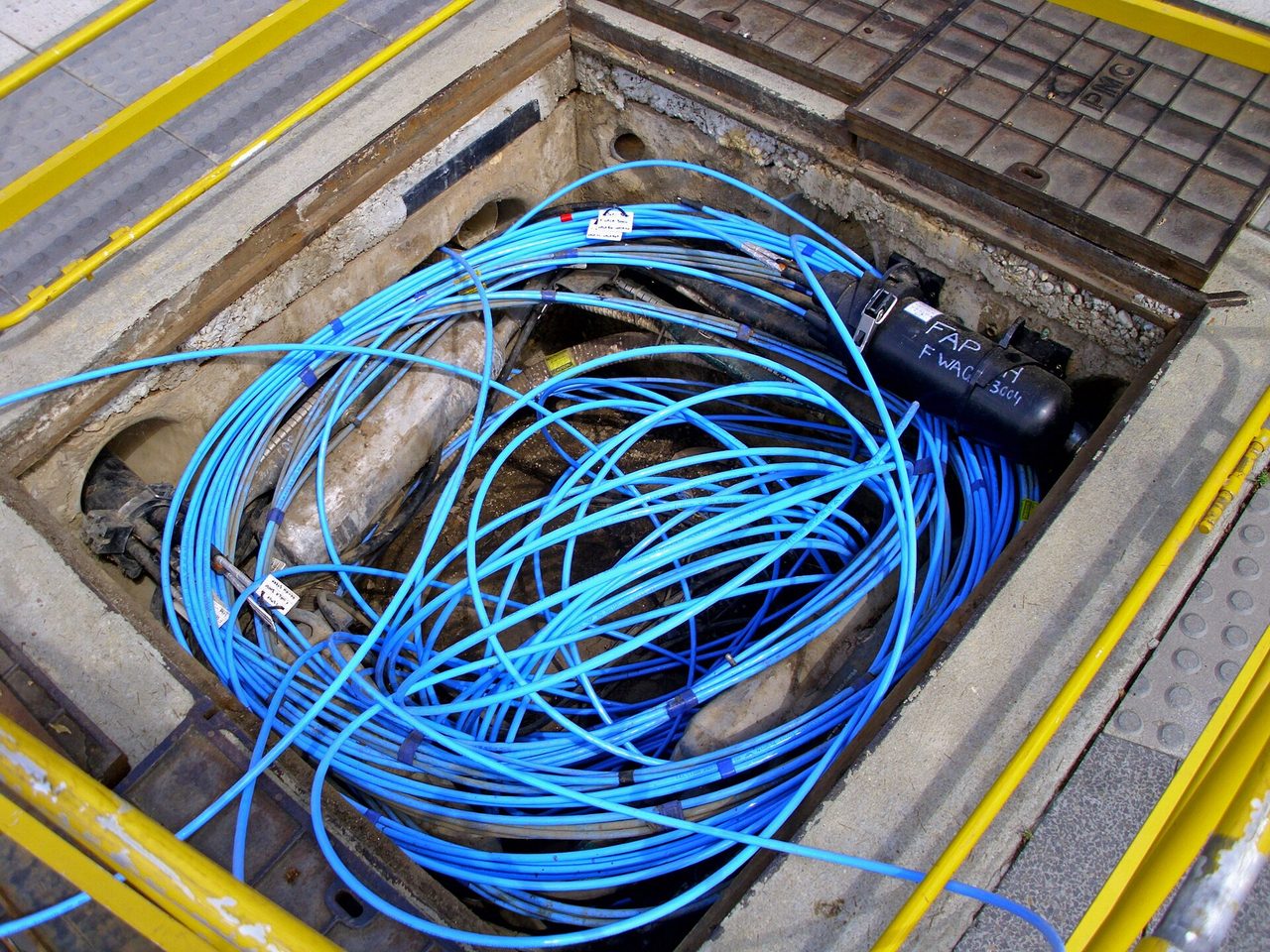
Photo: Bidgee / CC BY-SA 2.5 au · via Wikimedia Commons
A Telecom-Bust Veteran Says the AI 'Doom and Gloom' Is Overblown
A familiar setup, a calmer verdict
Veteran technology investor Paul Wick says the artificial intelligence boom echoes the dot-com bubble, but fears of an imminent crash and mass unemployment are overstated. In an interview with Business Insider this week, Wick said the turn of the century brought an explosion of newly formed internet companies and a huge infrastructure buildout, with telecom carriers spending "aggressively" on wired and wireless networks — a setup he finds clearly parallel to today's wave of AI startups and data-center spending alongside higher interest rates and energy costs.
What's missing: the frenzy of 1999
The difference, Wick argued, is temperament. He sees neither the same IPO frenzy now nor the same "frenetic environment" in which stocks soared fivefold or tenfold in a single day. By late 2000, forecasts already pointed to a slowdown in IT spending in 2001; today, enterprise spending on AI remains strong and recent tech earnings have been robust. In short, conditions look "healthier" than in 2000, he said.
The counterargument he is answering: Burry's accounting alarm
Wick was responding directly to Michael Burry, who warned in a September 25 blog post that Big Tech's AI spending could produce massive write-offs by 2028 or 2029. Burry singled out Microsoft for nearly tripling uncommenced leases to more than $300 billion while extending the upper end of its data-center useful-life range from 15 years to 25 years, shifting spending toward operating leases and trimming reported capital expenditure. He also flagged net capital investment at 2.07% of GDP, the highest in four decades outside the aftermath of the March 2000 Nasdaq peak.
Wick on Burry's record: early or wrong before
Wick noted that Burry is best known for predicting and profiting from the mid-2000s housing bust, but added that he has been "premature or just plain wrong about a lot of other things." On Burry's criticism of Nvidia's ecosystem investing — stakes in data-center developers and software firms that buy its chips — Wick said the chipmaker is "extraordinarily profitable" and questioned whether its spare cash should go only to buybacks rather than bolstering customers, especially as several of the industry's biggest players build their own AI chips to reduce reliance on Nvidia.
Putting money behind the view: Ventures doubled to $1 billion
Wick's firm is backing its optimism. Seligman Investments doubled deployable capital for Seligman Ventures from $500 million to $1 billion less than a year after launch, targeting AI infrastructure including SambaNova for AI inference and Lumilens for optical connectivity. The venture platform draws on a public-markets operation in which Wick manages the roughly $29 billion Columbia Seligman Technology and Information Fund plus a $7.5 billion technology hedge fund business. It is his second attempt at venture investing: an earlier late-stage effort launched in 1997 was wound down after the dot-com collapse, a failure he attributed to a lack of board representation, reliance on third-party deal sourcing, and team selection.
Four decades through every cycle since 1990
Columbia Threadneedle describes Wick as having about 40 years of investment experience and having led the Seligman team through every technology cycle since 1990. That history is the core of his pitch: he has seen a telecom-led capital cycle break before, and today's balance sheets and demand look sturdier to him.
Jobs and careers: 'a little premature' on the layoff wave
Wick called the idea that AI will quickly eviscerate demand for human labor "a little premature," noting that nobody knows how entry-level roles will evolve, unemployment has yet to soar, and organizational inertia slows adoption. His career advice follows the same logic: skilled trades such as electricians and HVAC technicians face "booming demand" and can deliver an "incredibly good living" without a four-year college degree.
What to watch: spending strength versus the 2028 test
The debate now has two scoreboards: whether enterprise AI spending stays strong quarter after quarter, and whether the write-offs Burry projects for 2028 or 2029 materialize. Wick's case is an analogy, not a guarantee — rhyming with the telecom bust without repeating it.
Sources
- Business Insider: Tech guru Paul Wick says 'doom and gloom' over AI is overblown
- AOL: A veteran tech investor says 'doom and gloom' over the AI boom is overblown, even though it has shades of the dot-com bubble
- Benzinga: AI Boom Has Clear Parallels With Dot-Com Era, but Crash Fears Are Overblown, Says Veteran Investor - NewsBreak
- TradersUnion: AI boom risks look manageable, veteran investor says
- WHBL: Seligman Ventures doubles capital to $1 billion as AI boom revives hardware bets