Iran Vows to Keep US Warships Out of the Gulf as Trump Weighs Fresh Strikes
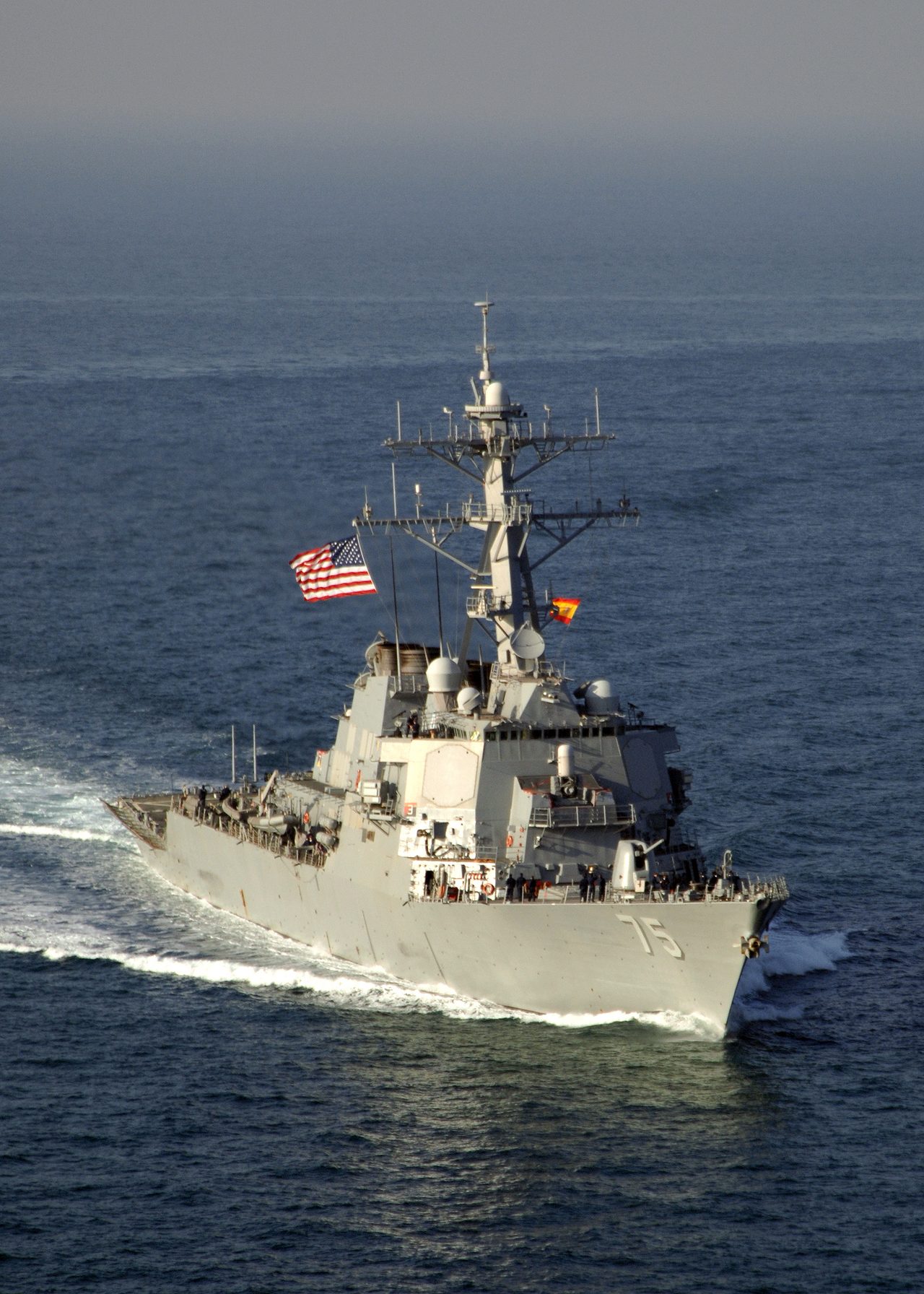
Photo: U.S. Navy photo by Photographer’s Mate 2nd Class Matthew Bash / Public domain · via Wikimedia Commons
Iran Vows to Keep US Warships Out of the Gulf as Trump Weighs Fresh Strikes
Tehran Draws a Red Line Across the Persian Gulf
Iran's chief of the general staff, Ali Abdollahi, declared on Saturday that Iran "will not allow US military ships in the Persian Gulf under any circumstances and at any time," according to Iranian state television. He taunted that US President Donald Trump "can only dream" of seeing American forces re-enter the strategic waterway and "will take this wish to the grave." Abdollahi asserted that Iran can target any vessel in the region and that the US Navy is incapable of returning to Iran's territorial waters or their periphery.
Trump Floats Another "Epic Fury" at Florida Rally
Speaking to supporters in Florida on Friday, Trump said the US military "may do another Epic Fury," referring to the heavy bombing campaign against Iran at the start of the war. He framed the choice before Washington as ending the conflict quickly through huge attacks on Iran versus letting pressure from the naval blockade and sanctions do the work.
Envoy Warning Puts a Weekend Strike on the Table
US Ambassador to Turkiye Tom Barrack said on Friday that a fresh American strike on Iran could "absolutely" come as soon as this weekend, while stressing that Trump remains open to a diplomatic deal. The warning followed weeks of US threats to destroy Iranian power plants and bridges if Tehran does not reopen the Strait of Hormuz.
Tehran Analyst Rules Out Talks Under Bombardment
Reza Nasri, a Tehran-based foreign policy analyst linked to Iran's foreign ministry, set out Tehran's political line in a post on X: "Iran has reached its verdict. It will no longer negotiate under bombardment, honour agreements the other side treats as optional, or accept the killing of its children and the penury of its people as routine instruments of policy." He added that Iran "will put an end to this cycle, and it will do so by all necessary means."
Eight Foreign Ministers Urge Restraint in Istanbul
Foreign ministers of Turkiye, France, Germany, Britain, Egypt, Saudi Arabia, Pakistan and Italy met in Istanbul and jointly cautioned Washington against renewed strikes. Turkish Foreign Minister Hakan Fidan said: "We agree that a new attack on Iran would widen the war and spread the conflict across the region. Military intervention in Iran is by no means a solution. No one is endorsing it at this point."
Tanker Attacks Pile Pressure on Hormuz Shipping
Iran's Islamic Revolutionary Guard Corps said seven tankers had been attacked or struck mines overnight into Thursday near the Strait of Hormuz, and on Friday claimed two supertankers had also hit mines. The incidents, combined with fears of renewed all-out war, pushed Brent crude to about 117 dollars a barrel, its highest level since April.
Oil Markets and Shippers Bear the First Costs
With the war into its eighth month and Hormuz traffic sharply reduced, oil prices and commercial shipping are absorbing the first shock. A new US bombing round could trigger Iranian retaliation against American warships and merchant vessels; a prolonged blockade would instead keep bleeding Tehran's crude exports and state revenues.
Diplomacy and Countdown Run Side by Side
What comes next hinges on three threads: whether the weekend strike Barrack floated materialises, whether back-channel contacts through mediators can restart talks, and whether the Istanbul group's diplomatic weight can restrain US and Israeli war plans. Bombardment and bargaining now advance in parallel, and the Gulf faces a fork between escalation and a deal.
Sources
- Al Jazeera: Iran says won't allow US warships to get close as Trump ponders new attacks
- Yeni Şafak: Iran vows US ships barred from Gulf 'under any circumstances'
- The Straits Times: Iran says US military not allowed to enter Gulf ‘under any circumstances’
- News.net: Iran Warns US Warships as Trump Weighs Renewed Attacks
- National Herald: Iran warns US warships as Trump weighs renewed attacks