Burnham Declines to Rule Out Return to EU Free Movement
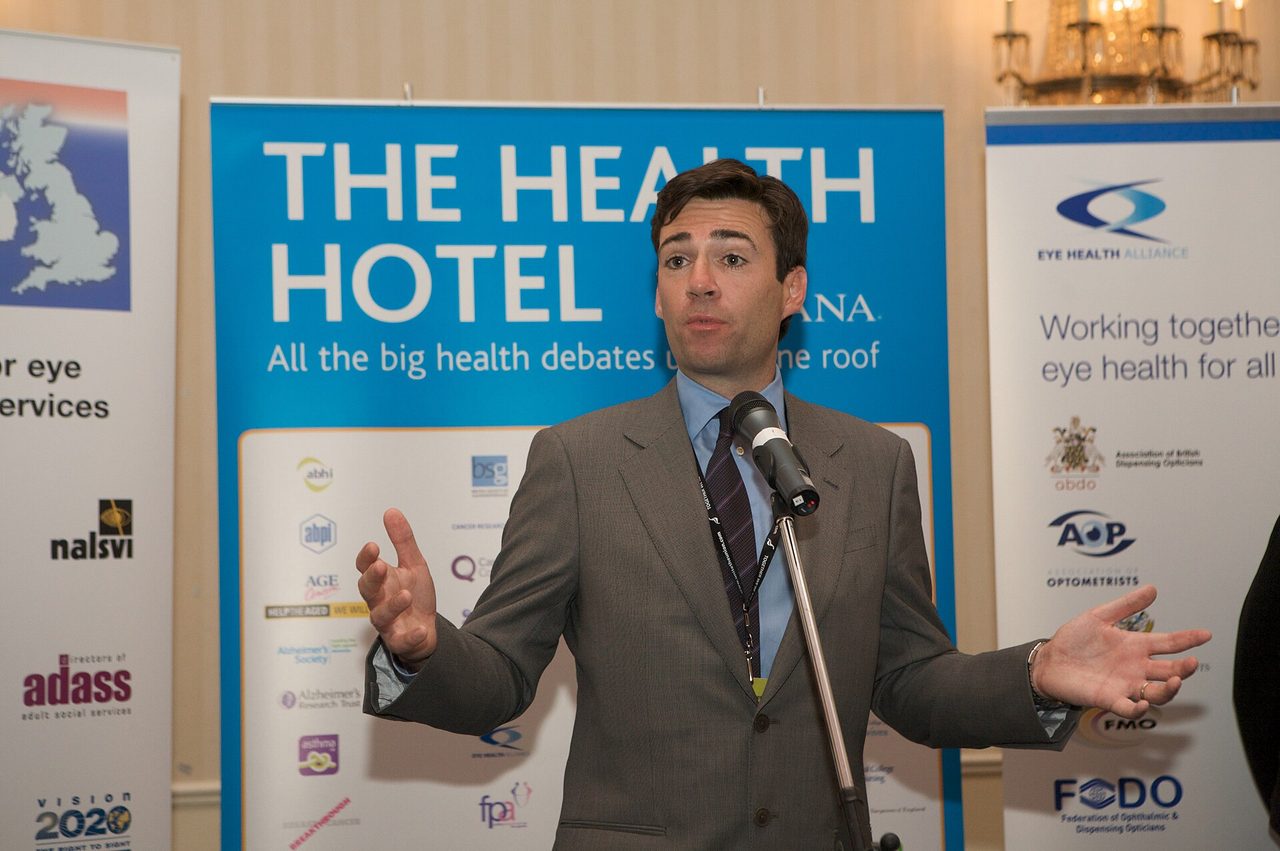
Photo: Credit: http://www.acumenimages.com. Uploaded to Flickr by The Health Hotel. / CC BY-SA 2.0 · via Wikimedia Commons
Burnham Declines to Rule Out Return to EU Free Movement
An interview timed for day 100 puts Brexit back on the table
British Prime Minister Andy Burnham has opened the door to Britain readopting the European Union's free-movement rules, saying the country needs an "honest discussion" about the issue. In a series of interviews with the Sunday Times conducted ahead of his 100th day in office, which falls on Tuesday, Burnham said staying outside free movement would not be a red line in talks on a new relationship with Brussels, according to the newspaper and a Reuters dispatch published on October 25.
Full membership or the single market, both need free movement
Burnham said he wants to pursue a new type of relationship with Brussels, potentially including a return to full EU membership or joining the single market. Both routes would require accepting free movement, the BBC, the Independent and the Evening Standard reported. "I think you have to have a very factual, quite evidence-based debate about this," he told the Sunday Times. He drew two boundaries at the same time: "I can't see myself ever recommending anything that would involve joining the euro or Schengen," ruling out the single currency and the passport-free travel zone.
Migration has changed from coming and going to staying
Central to Burnham's argument is that immigration into Britain has been "different" since Brexit. "Revolving door migration where people would come and then go back is different," he said. "The balance of migration has changed, hasn't it, since then?" He acknowledged that freedom of movement "had very significant challenges associated with it," saying he had spoken about them during his previous time in parliament, but suggested the current pattern of more permanent settlement was in some ways harder to manage. He also pointed to what Britain lost by leaving: "the ability to be part of Eurodac and all the data collaboration around migration," arguing the question should be seen "in the round, rather than just looking at freedom of movement on its own."
A clash with Labour's own red lines
The remarks sit uneasily with Labour's 2024 election manifesto, which ruled out a return to free movement, single market membership or a customs union. Burnham had previously committed to those red lines, suggesting any fundamental change in the relationship would have to wait until after a general election. The opposition response was swift. Reform UK leader Nigel Farage called the comments "a total betrayal of Brexit Britain and his Makerfield pitch," referring to Burnham's Makerfield constituency, and rejected the claim that migration was different under EU membership. Conservative shadow home secretary Chris Philp said a return to free movement would mean "handing back control of our borders and allowing uncontrolled migration from across Europe," adding: "The British people voted to end free movement, and there can be no return to it."
What happens next
Freedom of movement, the EU rule letting citizens of member states move, live and work anywhere in the bloc, was a decisive battleground of the 2016 Brexit referendum. A sitting prime minister saying its restoration is negotiable marks a notable departure from the stance of his predecessors. In the short term the 2024 manifesto leaves little room for substantive moves before the next general election. The test now is whether Burnham's "honest discussion" produces a concrete roadmap, and whether a future Labour platform dares to put a new EU relationship, free movement included, to voters.
Sources
- The Times: Andy Burnham is open to adopting EU free movement
- BBC: Burnham open to 'honest discussion' on EU free movement
- The Guardian: Andy Burnham says he wants ‘honest discussion’ about freedom of movement with EU
- The Independent: Andy Burnham: Time for honest discussion about freedom of movement between UK and EU
- LBC: Burnham calls for 'honest discussion' about free movement between UK and EU