In Wisconsin, Data Centers Turned Neighbors Into Allies — and Politicians Into Tightrope Walkers
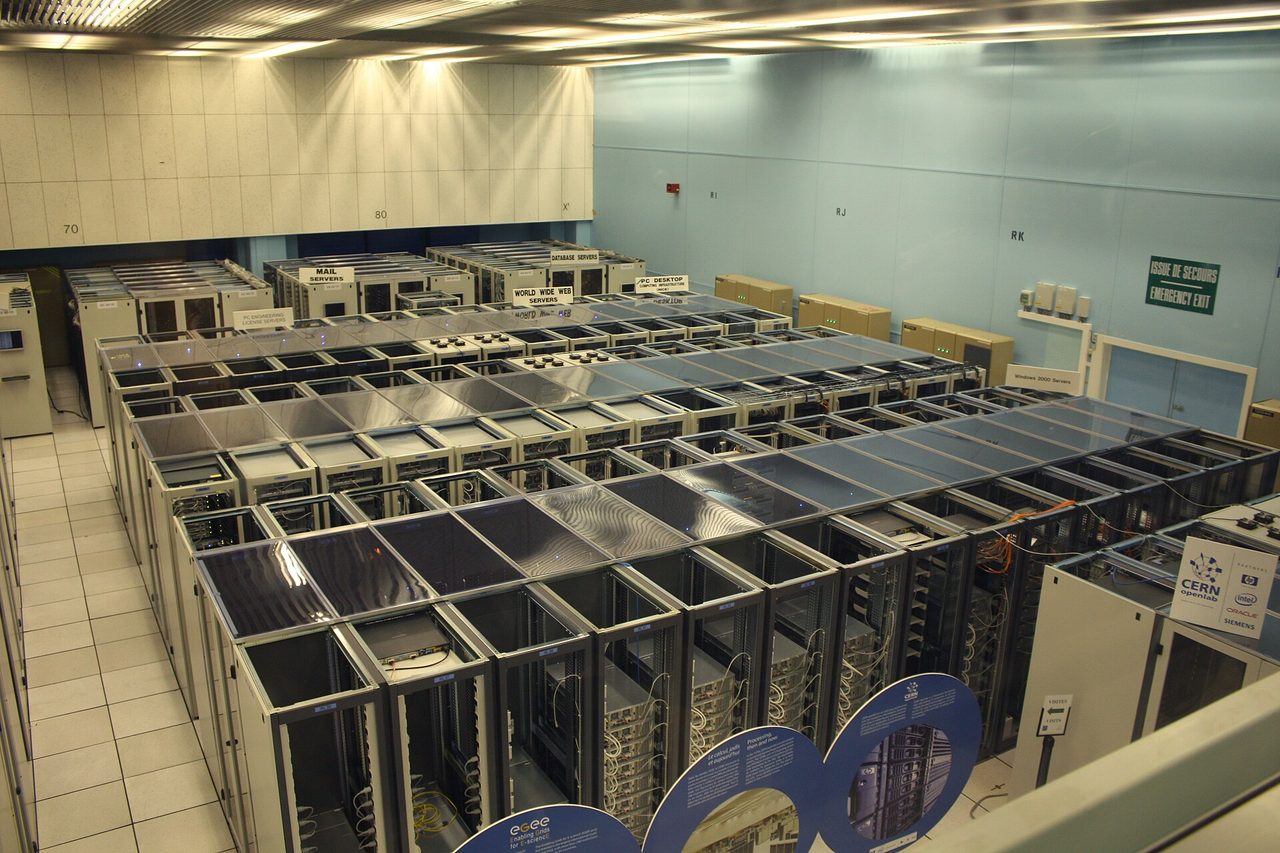
Photo: Hugovanmeijeren / CC BY-SA 3.0 · via Wikimedia Commons
In Wisconsin, Data Centers Turned Neighbors Into Allies — and Politicians Into Tightrope Walkers
A Vacant Walmart That Started It All
The flashpoint in one Wisconsin city was almost absurdly ordinary: a developer proposed turning a vacant Walmart into a data center. Community organizers rallied, dozens of residents packed city meetings demanding a moratorium, and the plan stalled. Similar scenes have replayed across the state, from Superior to Milwaukee, whose Common Council unanimously passed a one-year pause on new data center construction in October, signed by the mayor the next day.
Three Hyperscale Campuses Changed the Scale
Wisconsin already hosts more than 50 kinds of data centers, most of them small and long uncontroversial. What changed the debate is three approved hyperscale campuses built for artificial intelligence: Microsoft's $8.4 billion complex in Mount Pleasant, Vantage's $15 billion site in Port Washington, and Meta's $1 billion project in Beaver Dam. Their power appetites dwarf anything the state has hosted before.
The Poll Numbers Both Parties Read Nervously
The Marquette University Law School Poll, surveying 843 registered voters September 16–23, found 74 percent saying the costs of large data centers outweigh the benefits. Opposition hit 78 percent in August. The partisan breakdown is the rarest part: 90 percent of Democrats, 83 percent of independents and 57 percent of Republicans agree — near-unanimity in a battleground state. About 68 percent favor a one-year statewide moratorium, and 65 percent call the development of AI bad for society.
Jobs Today, Bills Tomorrow
The industry's case is jobs. Construction added 10,500 jobs over the past year, more than half of the state's nonfarm gains, as Microsoft finished the first phase in Mount Pleasant while Port Washington and Beaver Dam kept building. The Milwaukee 7 economic group estimates $22 billion in investment and over 1,500 permanent jobs from the two biggest campuses; Port Washington alone is projected at more than 1,000 permanent jobs, with Microsoft's first phase at over 550. Voters' worry is the bill: the Legislative Fiscal Bureau estimates $1.5 billion in forgone sales tax revenue from construction between 2024 and 2028, plus $369 million a year from operations.
Electricity Is the Real Bottleneck, Not Water
A draft assessment from the state Public Service Commission projects peak electricity demand rising more than 40 percent by 2032, with over 70 percent of that growth tied to data centers — reversing twenty years of declining use. Grid-wide peak demand is expected to climb from 14.6 gigawatts in 2024 to 19.9 gigawatts by 2030. The Port Washington campus spans 672 acres with four data centers, drawing 1.3 gigawatts in its first phase and up to 3.5 gigawatts at full build. Water looks manageable: statewide withdrawals fell 23.5 percent, or 506 billion gallons, between 2011 and 2024, and Racine Water Works' annual sales dropped 2.3 billion gallons since 2000 — more than 250 times Microsoft's planned 8.4 million gallons a year.
A Lawsuit Forces Environmental Homework
On July 10 the Sierra Club and Midwest Environmental Advocates sued the Department of Natural Resources in Ozaukee County, arguing permits for the Port Washington campus were approved without a proper environmental review. The October 19 settlement requires full environmental impact statements for future data center proposals plus a statewide strategic analysis of resource use — paid for by Vantage, not taxpayers — while existing Port Washington permits stay valid. Regulators have also rewritten large-customer rate plans from We Energies and Alliant Energy to shield households from data-center-driven costs.
An Election That Could Set the Rules
The November 3 governor's race is tight — Democrat David Crowley at 49 percent, Republican Tom Tiffany at 46 percent among likely voters — and both men treaded carefully at their October 21 Milwaukee debate, preaching transparency, rational incentives and help for local governments. Labor unions drawn to construction jobs pull Democrats one way; business groups hungry for tech investment pull Republicans the other. Whichever side wins will decide whether Wisconsin meets AI's power hunger with open arms or with the pause button pressed.
Sources
- NPR: How data centers became a bipartisan political issue in Wisconsin
- WPR: Wisconsin voters hate data centers, but they may not be an election priority
- Wisconsin Examiner: Wisconsin DNR to assess data center environmental impacts as part of settlement agreement
- Wisconsin Watch: Report: Wisconsin could make up taxes lost to data center incentives
- Urban Milwaukee: Data Centers Power Wisconsin Construction Boom Despite Public Backlash