First Phase of Federal Hemp Redefinition Takes Effect Ahead of December 11 0.4mg THC Cap
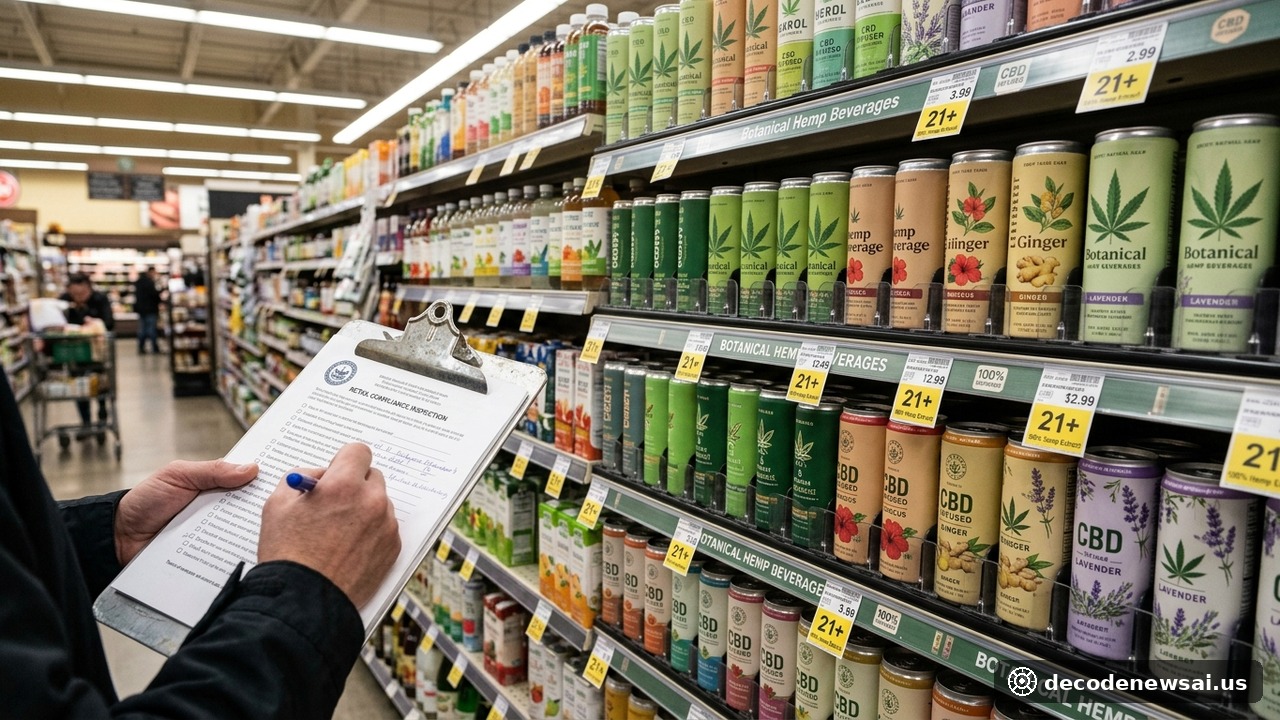
Headline: First phase of new US federal industrial hemp rules takes effect; $28 billion retail market faces December 11 0.4 mg cap test
December 11 brings 0.4 mg per-container THC cap
Body:
Two-step timetable takes hold, December 11 brings 0.4 mg per-container cap
The legal overhaul of industrial hemp-derived cannabinoid products entered its first enforcement phase on Thursday. Under Section 781 of Public Law 119-37, the new rules first took effect on November 12, 2026. Products containing synthetic cannabinoids that hemp plants cannot naturally produce, such as THC-O, formally lose their federal legal industrial hemp status.
The amendment was originally set to take full effect on November 12. A stopgap funding bill signed on September 2 this year (P.L. 119-103) pushed the effective date of the core provisions to December 11, creating a two-step timetable. Starting December 11, the old standard set by the 2018 Farm Bill, which capped delta-9 THC at 0.3% of dry weight, will be fully replaced. The new rules bring THCA, delta-8 and all other THC-type cannabinoids into a single total THC calculation. Any finished product for human or animal use may not contain more than 0.4 mg of total THC per container.
Retailers clear high-potency stock before December 11
The 0.4 mg cap is calculated on the entire product container, not on a single serving. Jason Klimek, co-chair of the cannabis practice at Harris Beach Murtha Cullina, told Forbes that the 0.4 mg limit does not consider whether a product makes a person high. It only looks at how much THC is in the whole package. Some retailers in New Jersey and Florida have begun clearing high-potency inventory and plan to stop cross-state online shipping entirely before the December 11 deadline.
Finished products above the federal 0.4 mg per-container limit will be reclassified as Schedule I controlled substance marijuana under the Controlled Substances Act. They will be barred from cross-state commercial channels and online e-commerce platforms.