FDA Grants Accelerated Approval to GSK's Nelkarmi for Lung Cancer
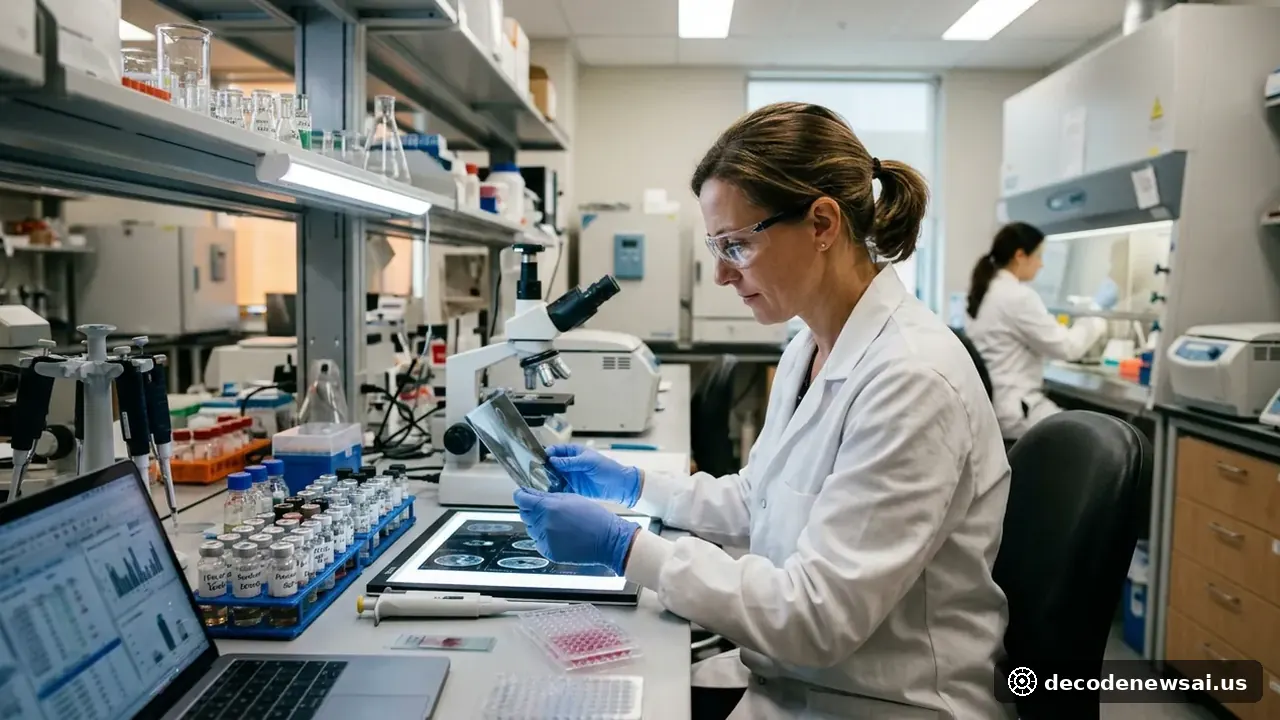
SILVER SPRING, Md. — The U.S. Food and Drug Administration on Nov. 17 granted accelerated approval to GSK's targeted therapy neladalkib, branded as Nelkarmi, for adults with previously treated locally advanced or metastatic ALK-positive non-small cell lung cancer. The clearance arrived 10 days ahead of the agency's Nov. 27 target date.
Trial Results Show Durable Responses Including in Brain Metastases
The 150-milligram once-daily oral kinase inhibitor is approved for patients whose cancer progressed after alectinib or at least two prior ALK inhibitors plus platinum chemotherapy. In the Phase 1/2 ALKOVE-1 trial, 49% of 67 post-alectinib patients achieved tumor shrinkage, with 76% maintaining responses for at least six months and 52% for at least 12 months.
Among 20 post-alectinib patients with measurable brain metastases, the intracranial response rate reached 55%. In 155 heavily pretreated patients, the response rate was 32%, with 51% lasting at least 12 months.
Prescribing Warnings Cover Liver, Kidney, and Eye Risks
Nelkarmi's label warns of hepatotoxicity, renal toxicity, ocular toxicity, elevated creatine phosphokinase, and embryo-fetal toxicity. Common side effects affecting at least 20% of patients included liver enzyme elevations, musculoskeletal pain, constipation, taste changes, peripheral neuropathy, swelling, and fatigue, with 5% discontinuing permanently.
GSK Advances Confirmatory Phase 3 Study
"Patients with ALK-positive lung cancer are often treated with multiple targeted therapies over many years. Advances in treatment have brought us closer to the goal of managing ALK-positive lung cancer as a chronic condition, but balancing disease control and long-term tolerability remains a significant challenge," said investigator Dr. Alice Shaw of Dana-Farber Cancer Institute. GSK is running the Phase 3 ALKAZAR trial against alectinib to confirm benefit.
Sources
- fda.gov: FDA grants accelerated approval to neladalkib for previously treated locally advanced or metastatic ALK-positive non-small cell lung cancer -
- us.gsk.com: Nelkarmi (neladalkib) approved in the US for previously-treated advanced ALK-positive non-small cell lung cancer -
- onclive.com: FDA Approves Neladalkib for Locally Advanced or Metastatic ALK+ NSCLC -
- ajmc.com: FDA Grants Accelerated Approval to Neladalkib for Previously Treated ALK-Positive NSCLC -