FCC Votes to Allow State and Local Prisons to Jam Contraband Cellphones
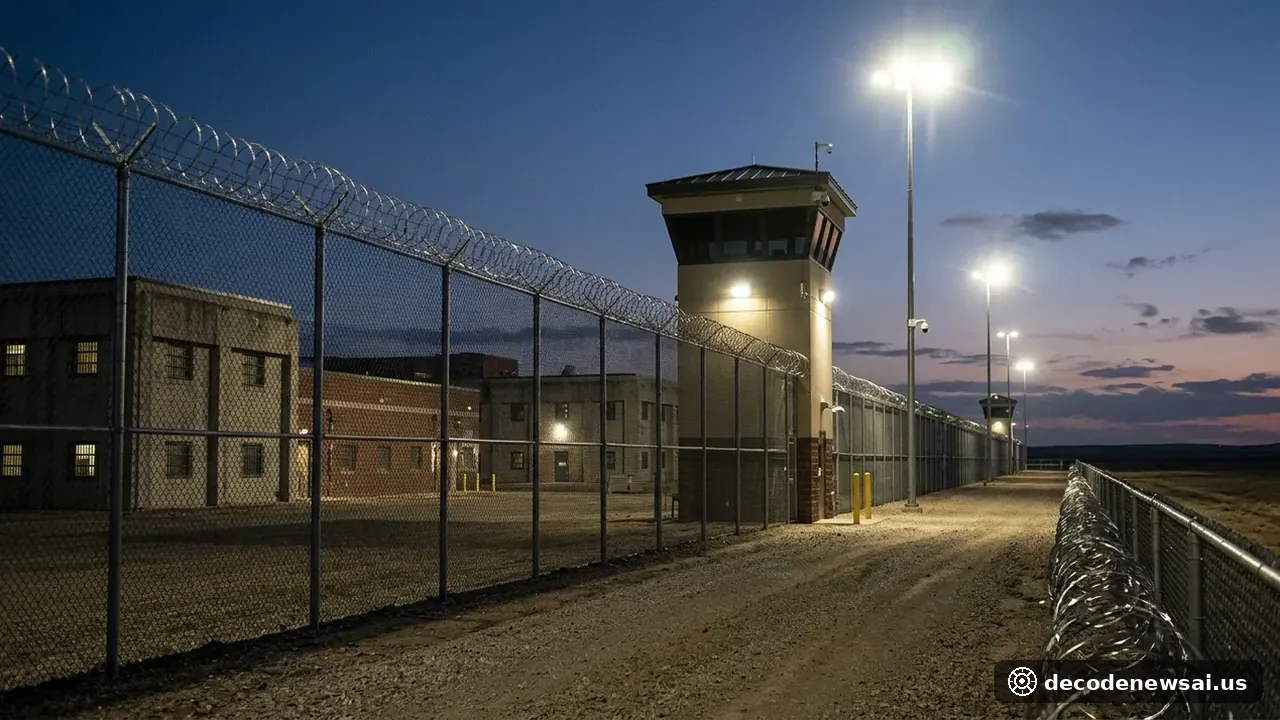
WASHINGTON — The commission voted on Nov. 19. The Federal Communications Commission authorized state and local correctional facilities for the first time. They may jam wireless signals from contraband cellphones inside designated prison containment zones.
The order targets smuggled phones behind bars.
The rule was adopted as Report and Order FCC 26-80. Use is optional. It permits state and local agencies to operate radio-frequency jamming equipment. Federal law previously barred that equipment.
The commission cited a 2024 study. Prison authorities recovered more than 25,000 smuggled cellphones in a single year. It said two participating facilities seized over 6,000 phones each.
Regulators said inmates use illicit phones routinely. They said inmates orchestrate violent crimes, drug trafficking, and fraud outside prison walls.
Wardens cheer the tool amid safety warnings.
Correctional administrators hailed the decision. They had lobbied for nearly two decades. They sought federal jamming authority.
The tool was needed. "Today's vote gives corrections leaders a tool we have needed for a long time. Contraband cell phones let people behind our walls direct crime on the outside, and searches and confiscations and other technologies have not stopped them," Correctional Leaders Association President Lindsay Wallace said.
Commissioner Anna Gomez approved in part. She dissented in part. She warned about poorly calibrated systems. They risk disrupting nearby home security systems or emergency calls.
Strict testing and community notice are required.
Activation comes after testing. Facilities must pass experimental and post-license testing. Testing must prove signals remain strictly within authorized prison boundaries.
Notice is required. Prisons must also notify neighboring communities before on-site testing and deployment. The FCC seeks further comment. The comment concerns closing remaining wireless loopholes.
Sources
- Associated Press
- broadbandbreakfast.com: FCC Unanimously Approves Prison Jamming Order —
- correctionalnews.com: FCC Approves Cellphone Jamming in Correctional Facilities —
- pbs.org: FCC votes to allow state prisons to jam signals from contraband cellphones