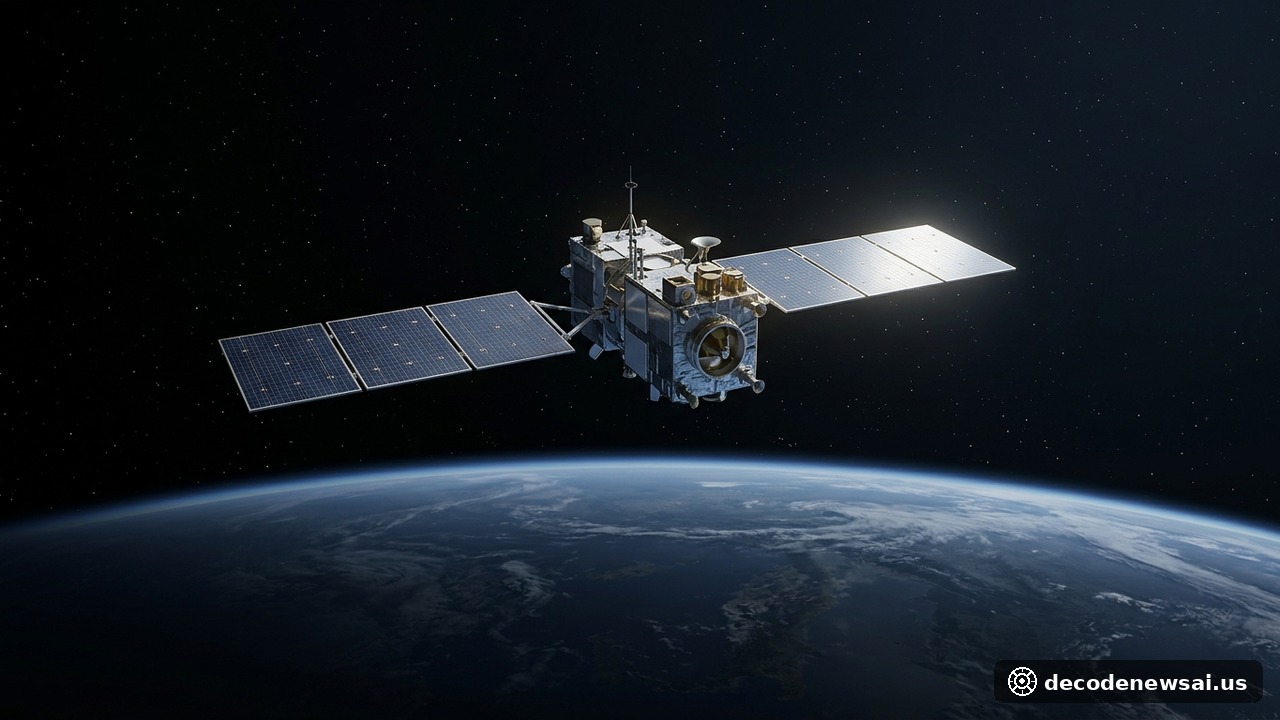
MOUNTAIN VIEW, Calif. - Google announced on Nov. 19, 2026, a launch agreement with Blue Origin to deploy Project Suncatcher artificial intelligence satellites aboard the New Glenn rocket in the first quarter of 2029.
New Glenn Targets First Dedicated Heavy-Lift Launch
Blue Origin's heavy-lift New Glenn rocket will place multiple Google Tensor Processing Unit satellites into sun-synchronous orbit in Q1 2029. Google confirmed each satellite carries roughly the computing capacity of a data center rack and taps orbital solar power for machine learning workloads. Neither company disclosed the number of satellites or the contract value.
Prototype Testing Advances Orbital Compute Roadmap
Google and satellite partner Planet launched the first Suncatcher prototype aboard a SpaceX Falcon 9 rideshare mission in October. Ground proton-beam testing at the University of California, Davis showed Google's Trillium chips survived a radiation dose exceeding a five-year space mission without permanent failures. "This dedicated launch builds on our ongoing work with other satellite and launch partners and represents a crucial milestone on our long-term roadmap as we expand the boundaries of what's possible for the future of compute," said Travis Beals, Google senior director for paradigms of intelligence, in a Nov. 19 blog post.
Cost Hurdles and Rocket Delays Remain
Google's November 2025 research paper estimated space-based data centers could match terrestrial energy costs only if launch prices fall below $200 per kilogram by the mid-2030s. Blue Origin has shifted New Glenn's return to flight to January 2027 and placed its Orbital Reef station on hold. Industry experts cited high launch costs and limited satellite production as key obstacles keeping orbital data centers years from commercial service.