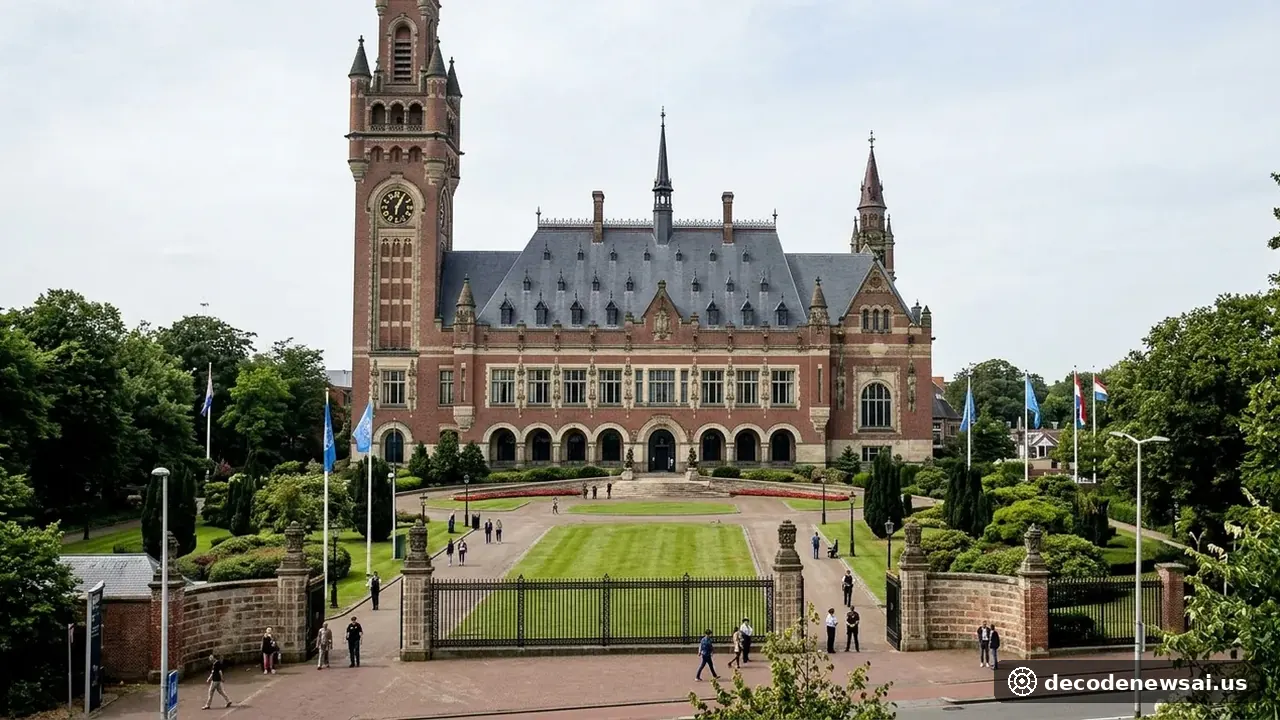
THE HAGUE, Netherlands - The International Court of Justice (ICJ) ruled on Nov. 19 that Myanmar committed genocide against its Rohingya Muslim minority during 2016–2017 military operations, marking the first time the UN's top court has held a state responsible for genocide.
Nine-to-Six Majority Finds Genocidal Intent
ICJ President Yuji Iwasawa announced that nine of the 15 judges found Myanmar committed genocide under the 1948 Genocide Convention with intent to destroy a substantial part of the Rohingya population. The court rejected Myanmar's counter-terrorism defense, citing mass killings, burned villages, systematic sexual violence, and a two-child limit per family. The 2016–2017 crackdown drove over 700,000 Rohingya into Bangladesh, where about 1.3 million refugees remain.
Rights Groups Urge Enforcement After Seven-Year Case
The final, unappealable judgment concludes a seven-year case filed by The Gambia in 2019. "After years of denial, impunity and suppression of truth, this ruling is a historic and authoritative recognition of the atrocities committed against the Rohingya and a rare moment of justice for survivors," Amnesty International Secretary General Agnes Callamard said. Human Rights Watch urged governments to press Myanmar's junta to comply, while Britain expelled Myanmar's defense attache and called for an urgent Security Council session.
Reparations Ordered and Legal Precedent Set
The court ordered Myanmar to pay reparations, allow safe return, restore property, and recognize the Rohingya as a distinct ethnic group. Clarifying that genocidal intent can coexist with military aims sets a precedent for South Africa's case against Israel, though the ICJ lacks direct enforcement power.