IEA Says Hormuz Crisis Is Largest Energy Supply Shock on Record
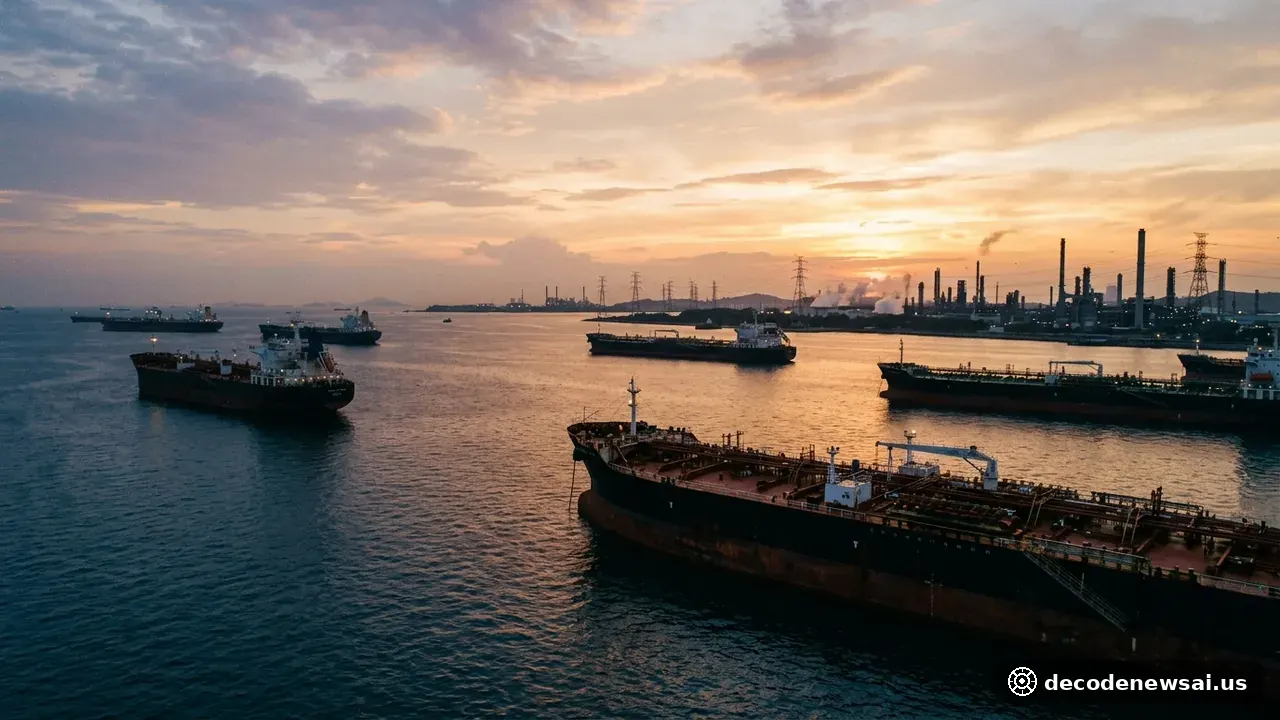
PARIS - The International Energy Agency warned on Nov. 19 that the 2026 Strait of Hormuz disruption represents the largest energy supply shock in history. Cumulative Gulf losses reached 2.8 billion barrels of oil and 60 billion cubic meters of natural gas by November, pushing diesel prices above $200 a barrel.
Global Oil and Gas Import Bills Surge in 2026
Import Bills Surge Worldwide
Global spending on imported oil and gas is projected to jump 25 percent in 2026 to $1.6 trillion as countries scramble for alternative supplies. More than 4 billion people live in nations that rely on the Strait of Hormuz for over 30 percent of their oil, leaving economies exposed to prolonged price volatility.
Electrification Could Cut Oil Demand
Electrification Could Cut Oil Demand, Bypass Pipelines Fall Short
Policy shifts toward domestic electricity and energy efficiency could cut global oil demand by 4.4 million barrels per day, or more than 4 percent, by 2035 compared with current baselines. Under that accelerated scenario in the World Energy Outlook 2026, consumption would fall to 97 million barrels daily instead of exceeding 101 million. "Many countries are seeing electrification as a policy option for energy security. Instead of importing energy, they decided to build energy at home," IEA Executive Director Fatih Birol told reporters.
Bypass Pipelines Fall Short
Proposed bypass pipelines worth $40 billion would add 7 million barrels per day of export capacity but fail to eliminate strategic dependence on the waterway. The agency estimated those routes would add roughly $2 per barrel in transport costs while still leaving 2 million barrels per day transiting Hormuz in 2035.