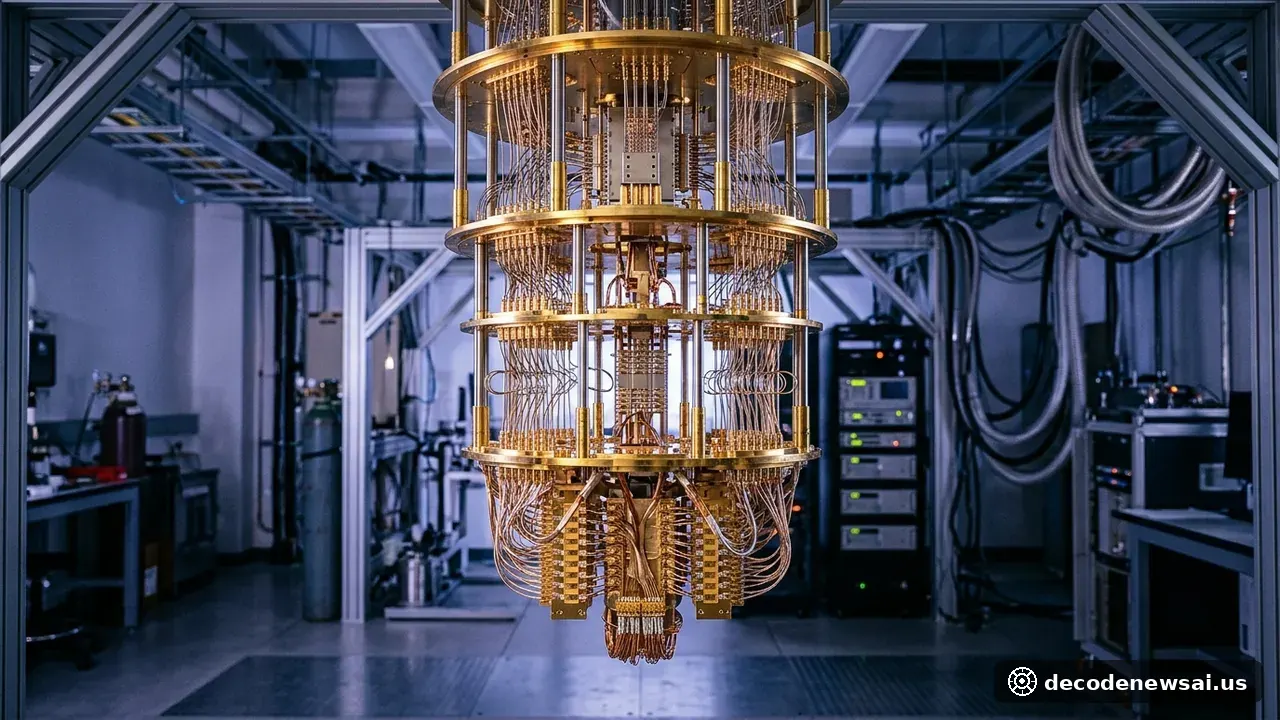
BOULDER, Colo. - Scientists at the National Institute of Standards and Technology reported on Nov. 18, 2026, in Nature the first complete experimental demonstration of a quantum protocol that verifies a person's physical location.
Entangled Photons and Speed of Light Block Spoofing
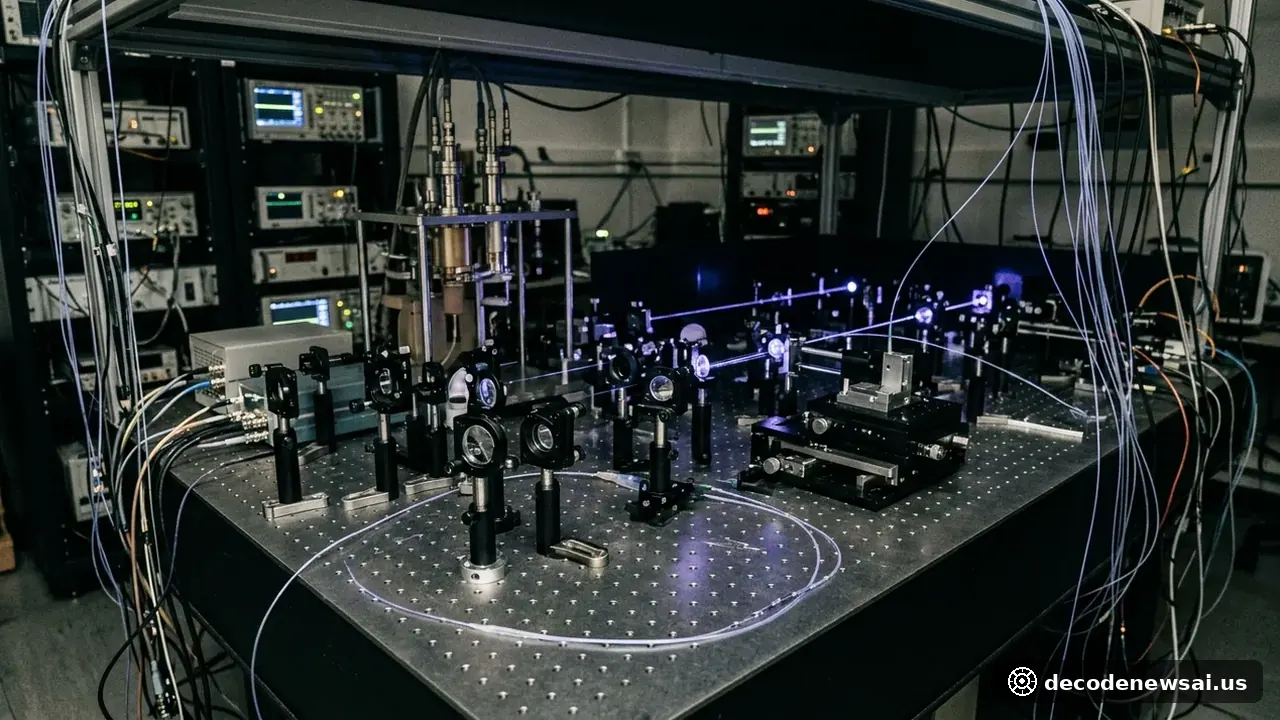
Researchers placed two verifying stations 195 meters apart inside a Boulder research building connected by optical fibers to triangulate a prover's position. The stations sent entangled photons and simultaneous random measurement instructions, repeating the exchange millions of times over several minutes to run a loophole-free Bell test. Because nothing travels faster than light and quantum mechanics forbids copying entangled states without destroying correlations, remote impostors or tampered devices immediately fail the test.
Anchoring Cybersecurity to Physical Presence
"Our results show how digital security can instead be anchored to the physical world," said NIST physicist Krister Shalm, adding, "Gaining access to a system can only be done by someone who can prove they are in a particular location — such as a bank — thwarting remote would-be hackers." NIST noted cybercrimes cost U.S. citizens more than $16 billion in 2024, with far fewer than 1% of perpetrators caught largely because thieves operate from abroad. Potential future uses include authenticating $50 million corporate wire transfers, protecting healthcare records, and blocking remote attacks on power grids.
Large-Scale Quantum Networks Remain a Decade Away
NIST physicist Scott Glancy cautioned that applying the technique in real-life financial or infrastructure settings may remain more than a decade away. Widespread deployment requires high-fidelity quantum communication networks capable of sharing entangled photons across long distances.