TAIPEI — Taiwanese economic researchers said on Nov. 18 that the long-term impact of Nvidia co-founder Jensen Huang's resignation on Taiwan's artificial intelligence supply chain remains uncertain. Cloud orders for 2027 are largely set.
Server Margins Face Assembly Risks
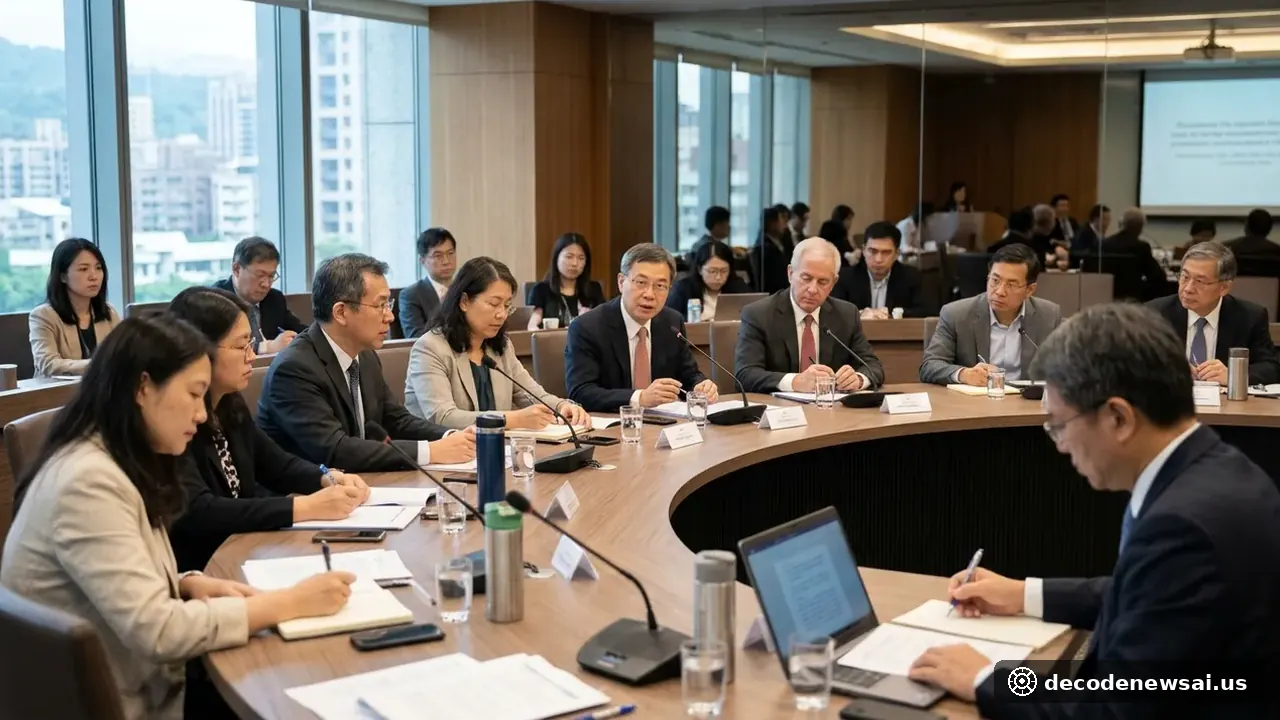
Chung-Hua Institution for Economic Research President Lien Hsien-ming spoke at an Academia Sinica Institute of Economics forum. He urged Taiwan to monitor closely. The focus was the assembly segment of the AI supply chain.
Lien noted that Huang previously favored Taiwanese suppliers with large orders. He did not force aggressive price competition.
Nvidia's next chief executive could shift procurement strategy. Profit margins at Taiwanese server manufacturers could come under pressure.
Global Data Center Demand Has Room to Grow
Lien addressed fears of a sharp drop in data center demand. The United States accounts for about 45 percent of non-AI data centers globally. It accounts for roughly 85 percent of AI data centers. Lien cited a gap.
That gap leaves room for other markets to expand AI capacity. That room exists if Washington permits chip exports.
Reduced Nvidia financing could squeeze smaller operators. Continued spending by the four largest cloud providers would limit the blow to Taiwan.
Supply Chain Realignment Continues
National Cheng Kung University professor Lin Chang-ching said short-term demand from cloud providers appears steady for 2027. Demand appears steady.
Partnerships with rivals such as AMD could help offset any shift in Nvidia's relationship with Taiwan. AMD is a rival.
Academia Sinica fellow Cyrus Chu added that Huang's exit forms part of a three-to-five-year tug-of-war between China-aligned and non-China-aligned supply chains. It has yet to reach a new equilibrium.