SACRAMENTO, Calif. — Children exposed to ionizing radiation from medical imaging face a measurably higher risk of developing brain tumors, according to a Nov. 19 JAMA study. It tracked more than 3.7 million children. It covered the United States and Ontario, Canada.
Million-Child Cohort Quantifies Scan Risk
Researchers led by UC Davis and UC San Francisco followed more than 3.7 million children from birth. Follow-up averaged 12.3 years. They recorded 1,536 brain tumors.
Of those tumors, 82.5 percent were aggressive.
Radiation exposure equal to one head computed tomography scan was associated with a 1.8-fold higher brain tumor risk. Risk was higher.
That meant roughly eight excess tumors per 10,000 children by age 21. That was one extra case per 1,266 head scans. That was the estimate.
Overall, the team estimated that 10.1 percent of pediatric brain tumors were attributable to medical imaging radiation. The share was 10.1 percent.
Researchers Urge Clinical Justification Over Avoidance
Study authors stressed that parents should never skip urgent, medically necessary scans. Those scans often save lives in emergencies.
"Our findings do not mean that parents should avoid getting their children medically necessary imaging. These examinations can be lifesaving. The message is that every examination using ionizing radiation should be clinically justified and performed using techniques that keep radiation dose as low as reasonably achievable while still obtaining the information needed for care," lead author Diana Miglioretti said.
Hospitals Expand Radiation-Free Alternatives
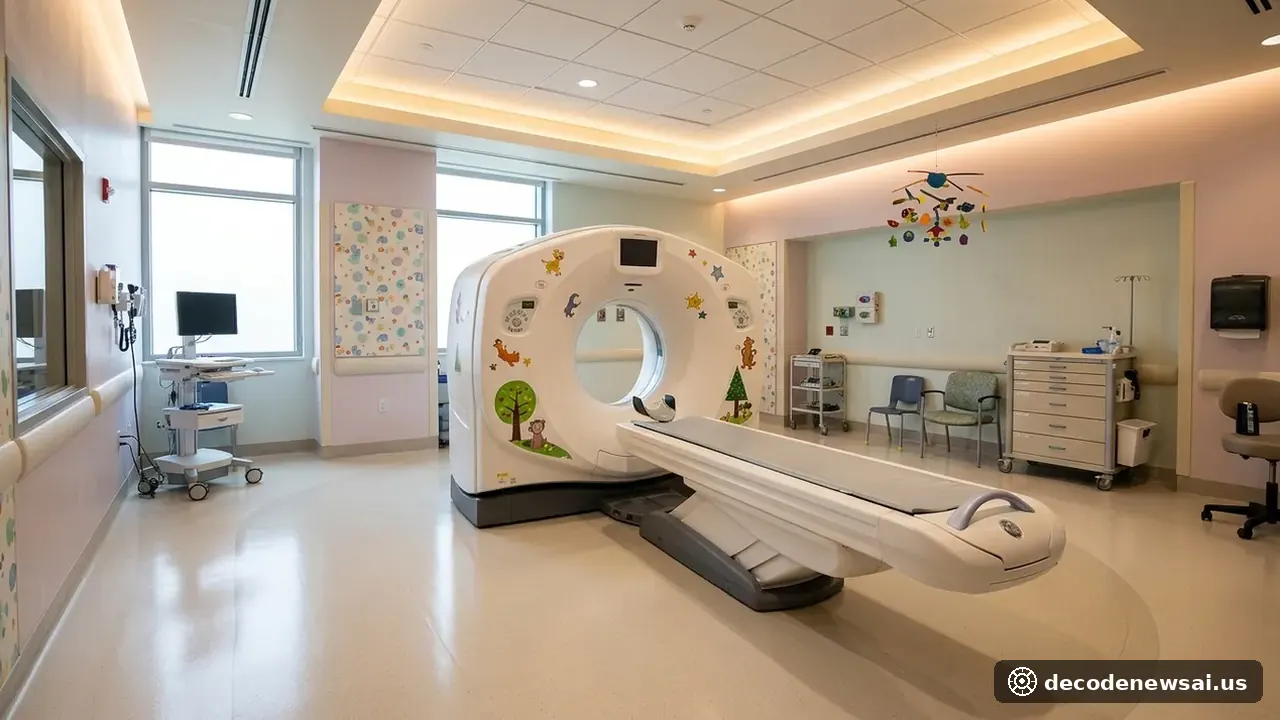
Clinicians recommend prioritizing ultrasound or magnetic resonance imaging whenever possible for pediatric evaluations. They come first. Pediatric radiology centers are also expanding child-sized low-dose scanner protocols and electronic dose-tracking records to eliminate unnecessary repeat imaging.