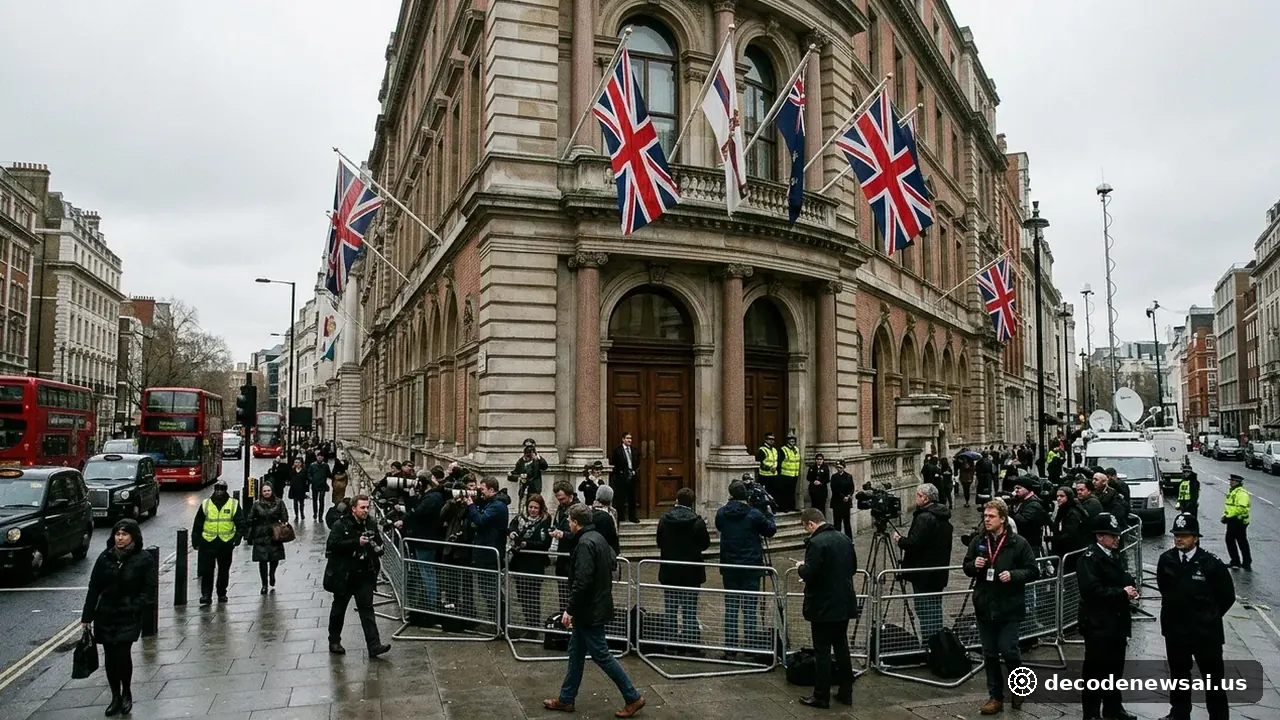
LONDON - The United Kingdom entered the Covid-19 pandemic unprepared to deliver testing, contact tracing, and isolation at scale. Officials were "effectively blind." That was during the critical opening months. Inquiry chair Baroness Heather Hallett concluded Nov. 19.
Community testing collapsed before a £25 Billion buildout
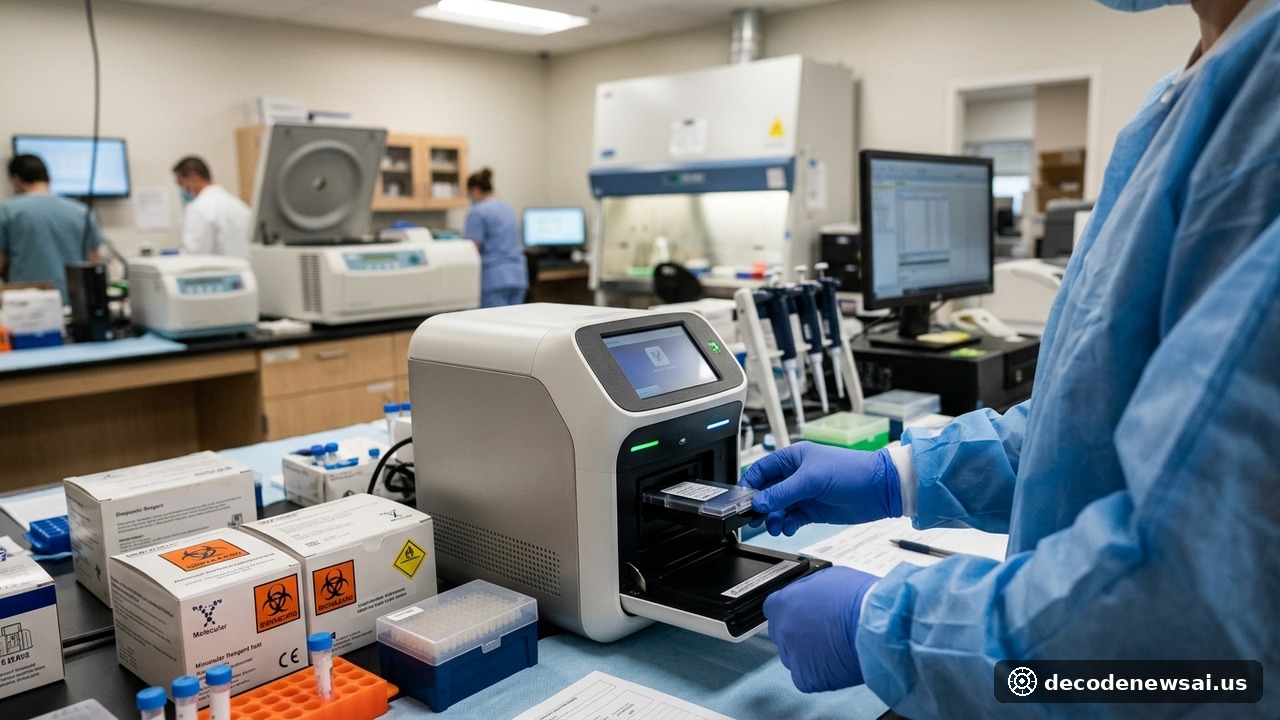
The seventh inquiry report drew on 41 public hearing witnesses and over 23,000 documents. British scientists developed an accurate diagnostic test in January 2020. Shortages forced authorities to halt community testing and manual tracing in March. It found both.
The virus spread during a £25 billion buildout
That gap allowed the virus to spread virtually unchecked for three months. Repeated lockdowns became more likely. England later spent over £25 billion building NHS Test and Trace from scratch. Lockdowns stayed more likely.
Border controls were lax and support was weak
Hallett criticized Britain's early travel stance. It was out of step with global peers.
By April 2020, 93% of countries and territories had imposed border restrictions. The U.K. permitted roughly 6.8 million air arrivals in February 2020. It permitted 3.8 million in March. That was permissive.
The U.K. merely requested self-isolation. That applied to travelers from high-risk areas.
Financial support was inadequate. It weakened isolation compliance. Workers were facing lost income.
Nine recommendations address future pandemics
"When Covid-19 arrived in the UK in January 2020, the United Kingdom was simply not prepared to deliver test, trace and isolate systems at the scale or speed required," Hallett said. She issued nine recommendations. They included a unified U.K.-wide system. They included pre-planned financial support for self-isolation.