U.S. Retailers Spend Tariff Refunds on Bonuses Instead of Lowering Consumer Prices
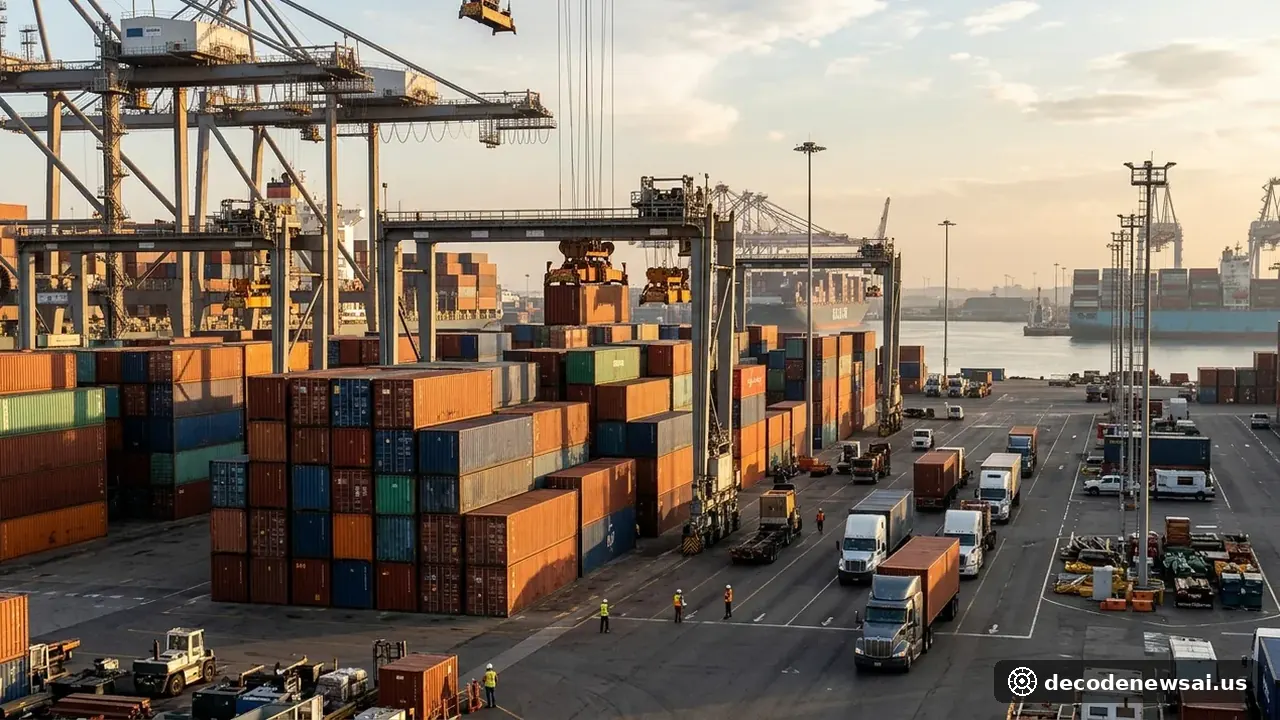
NEW YORK - A ProPublica review of securities filings found this. At least nine major publicly traded U.S. companies are directing portions of their federal tariff refunds toward corporate bonuses. They are not reimbursing shoppers.
Nine Firms Channel Tariff Windfalls Into Bonus Pools
The Supreme Court struck down President Donald Trump's sweeping tariffs earlier in 2026. Federal officials began refunding roughly $170 billion. It was collected across more than 53 million shipments.
Only direct importers of record can claim. They can claim the rebates.
TJX received $331 million, ProPublica reported. It is parent of TJ Maxx and Marshalls. It accrued $112 million in incremental expenses. They covered year-end incentive pay and discretionary bonuses.
Stanley Black & Decker received at least $298 million. Titleist parent Acushnet steered $12.0 million toward incentive compensation. Inc. reported them.
Consumers Bore Tariff Costs While Burlington Cuts Prices
Studies came from the New York Federal Reserve Bank and Harvard Business School. They estimated that American consumers absorbed between 26% and 43% of tariff costs. That came through higher retail prices.
"Executive bonuses are probably the least just way to use this money because it wasn't anything the executives did that they should be rewarded for. It was a government mistake that resulted in a refund," Gregory Germain told ProPublica. He is a Syracuse University law professor.
By contrast, Burlington Stores pledged to put its $55 million refund toward lower shopper prices. The Guardian reported zero going to bonuses.
Business Buyers Recover Fees as Shoppers Sue
Companies passing refunds to customers mostly serve business-to-business clients. Those clients have itemized contracts.
UPS and FedEx launched portals. The portals repay shipping duties.
A Wisconsin shopper filed a proposed class-action lawsuit against Stanley Black & Decker. The shopper alleged it stands to collect tariff money twice. Forbes reported it.