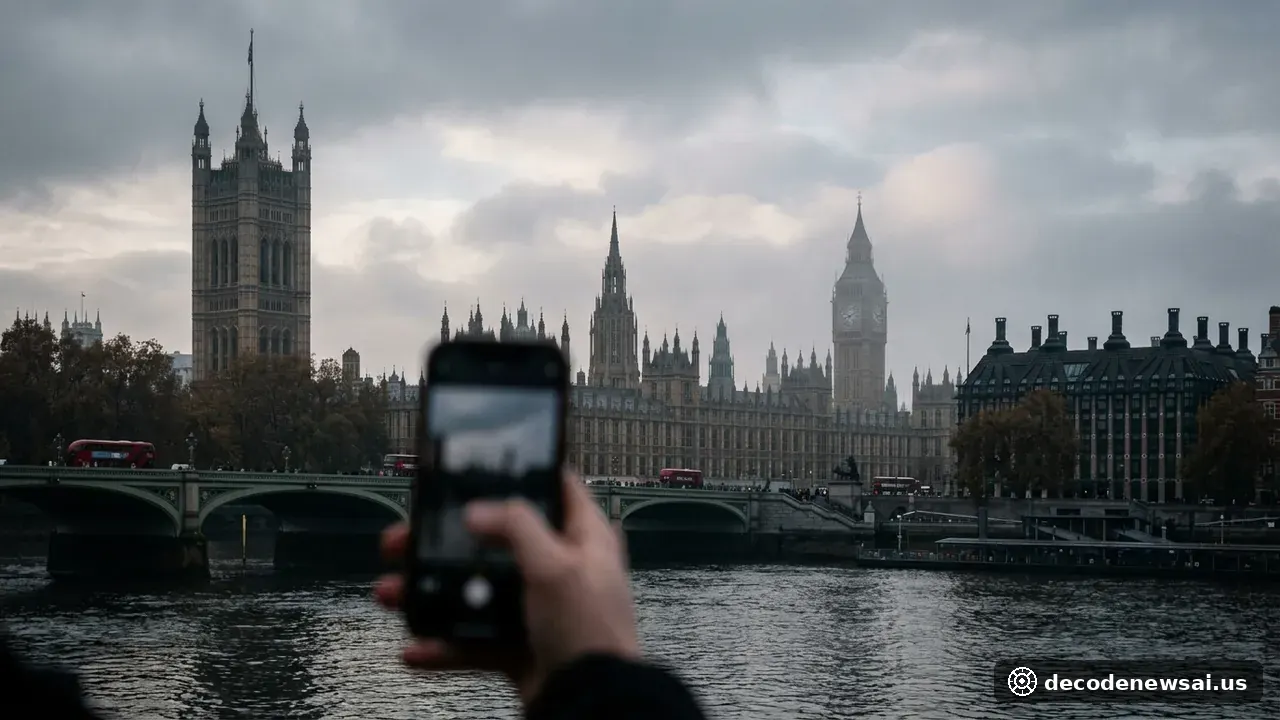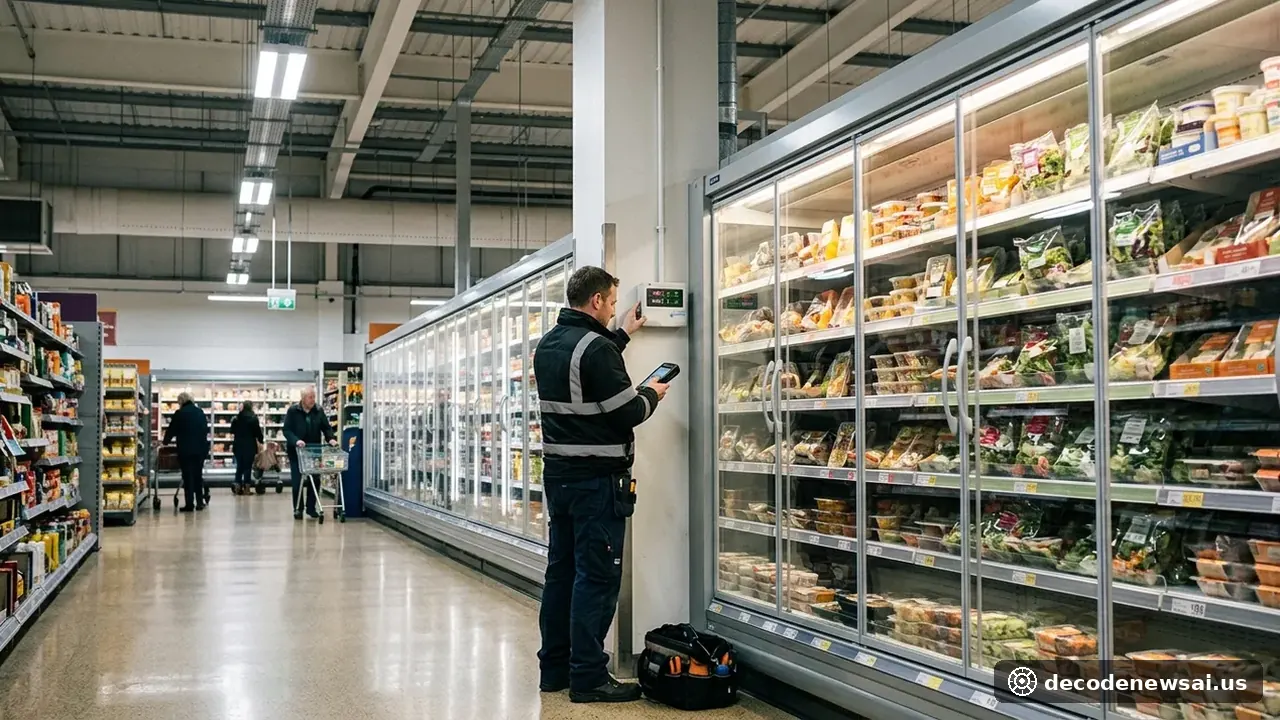
LONDON - The flaw was critical. British cybersecurity officials and industry specialists disclosed Nov. 20 that a secret three-week operation patched a flaw in commercial refrigerator and freezer controllers. They served UK supermarkets, warehouses, and restaurants.
Preventing a repeat was the aim. The effort aimed to prevent a repeat of European cold-chain cyberattacks. They spoiled millions of euros of food.
Three-Week Secret Fix Secures RDM Controllers
The flaw was an authentication flaw. Consultants at Omega Solutions uncovered it in late October. It was inside controllers built by British manufacturer Resource Data Management (RDM).
Retailers disconnected devices from the internet. Ethical hackers at Pen Test Partners then alerted the National Cyber Security Centre. They also alerted the Department for Environment, Food and Rural Affairs, and the Food Standards Agency. Thousands of devices controlled tens of thousands of fridges.
Work stayed quiet. Pen Test Partners managing partner Ken Munro spoke. "However, we also had to work quietly to avoid alerting less ethical hackers and nation states of the likes of Iran, who are active in this space," he told The Guardian. He warned that thousands of small stores remain exposed.
European Cold-Chain Hacks Triggered Fires and Food Loss
Hackers struck in October. They hijacked refrigeration units at 700 commercial sites in France. Defrost cycles rose up to 50 degrees Celsius. The attacks caused 15 fires.
A second wave came in early November. It struck supermarkets in at least seven European countries. French intelligence blamed Iran's Revolutionary Guards. Tehran denies.
RDM chief executive Ged Evans told the BBC. The company deployed initial patches rapidly. It found no signs of malicious activity on its controllers.